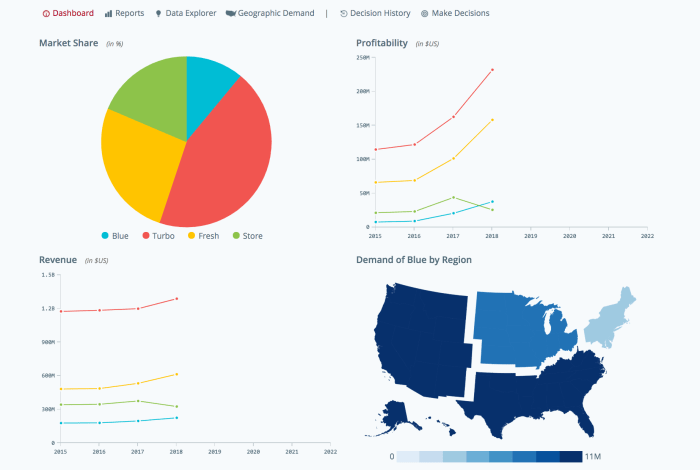
Kicking off with Utilizing data analytics for strategic decision-making, this opening paragraph is designed to captivate and engage the readers, setting the tone research style that unfolds with each word.
Data analytics is revolutionizing the way businesses make decisions, offering valuable insights and predictive capabilities that drive strategic planning and growth. In today’s data-driven world, harnessing the power of data analytics is no longer a luxury but a necessity for organizations to stay competitive and agile. This article delves into the key aspects of utilizing data analytics for strategic decision-making, exploring the different types of data analytics, tools and techniques for data collection and processing, implementation strategies, and ethical considerations that organizations need to navigate in their data-driven journey.






Introduction to Data Analytics
Data analytics is the process of examining, cleansing, transforming, and modeling data with the goal of discovering useful information, informing conclusions, and supporting decision-making. In the context of strategic decision-making, data analytics plays a crucial role in providing insights that help organizations make informed and effective decisions.
Role of Data Analytics in Modern Business Strategies
Data analytics has become an essential component of modern business strategies as organizations increasingly rely on data to drive their decision-making processes. By analyzing large volumes of data, businesses can identify trends, patterns, and correlations that can guide strategic initiatives and improve overall performance. Through the use of advanced analytics tools and techniques, organizations can gain a competitive edge by leveraging data to optimize operations, enhance customer experiences, and drive innovation.
Importance of Data-Driven Decision-Making
Data-driven decision-making is critical for organizations looking to remain competitive in today’s rapidly evolving business landscape. By basing decisions on data and analytics rather than intuition or gut feelings, businesses can reduce uncertainty and minimize risks. Data-driven decision-making allows organizations to identify opportunities, mitigate threats, and adapt quickly to changes in the market. Ultimately, leveraging data analytics enables businesses to make smarter, more strategic decisions that drive growth and success.
Types of Data Analytics
Descriptive analytics, predictive analytics, and prescriptive analytics are three common types of data analytics that organizations use to extract insights and make informed decisions based on data.
Descriptive Analytics
Descriptive analytics involves analyzing historical data to understand past performance and trends. It focuses on answering the question “What happened?” by summarizing and visualizing data. This type of analytics helps organizations gain insights into their current state and make data-driven decisions based on past events.
Predictive Analytics, Utilizing data analytics for strategic decision-making
Predictive analytics uses statistical algorithms and machine learning techniques to forecast future outcomes based on historical data. It aims to answer the question “What is likely to happen?” by identifying patterns and trends in the data to make predictions. Organizations use predictive analytics to anticipate future trends, behavior, and events, enabling them to proactively take actions to achieve desired outcomes.
Prescriptive Analytics
Prescriptive analytics takes predictive analytics a step further by providing recommendations on what actions to take to optimize outcomes. It goes beyond predicting future scenarios to suggest the best course of action to achieve specific goals. By leveraging advanced analytics, optimization techniques, and simulation models, prescriptive analytics helps organizations make informed decisions and implement strategies that maximize efficiency and effectiveness.
Data Collection and Processing
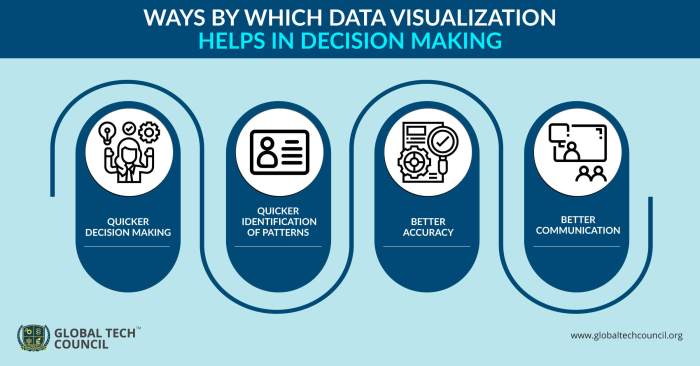
Data collection and processing are crucial steps in the data analytics process as they lay the foundation for meaningful analysis and insights. In this section, we will explore methods for collecting relevant data, tools and techniques for data preprocessing, and the importance of data quality in analytics.
Methods for Collecting Relevant Data
When it comes to collecting data for analysis, organizations can utilize various methods such as surveys, interviews, observation, web scraping, and sensor data. Surveys and interviews allow for direct feedback from customers or stakeholders, while observation provides real-time data on behavior or activities. Web scraping involves extracting data from websites, and sensor data can be collected from IoT devices for analysis.
Tools and Techniques for Data Preprocessing
Data preprocessing involves cleaning, transforming, and organizing data before analysis. Common tools and techniques used in this stage include data cleaning to remove errors and inconsistencies, data transformation to normalize or standardize data, and data integration to combine data from multiple sources. Techniques like outlier detection, missing value imputation, and feature scaling are also utilized to ensure the data is ready for analysis.
Importance of Data Quality in Analytics
Data quality is paramount in data analytics as the accuracy and reliability of insights depend on the quality of the data. Poor data quality can lead to incorrect conclusions and decisions, impacting the overall effectiveness of using data analytics for strategic decision-making. Ensuring data quality involves maintaining data accuracy, completeness, consistency, and timeliness throughout the data collection and processing stages.
Utilizing Data Analytics Tools
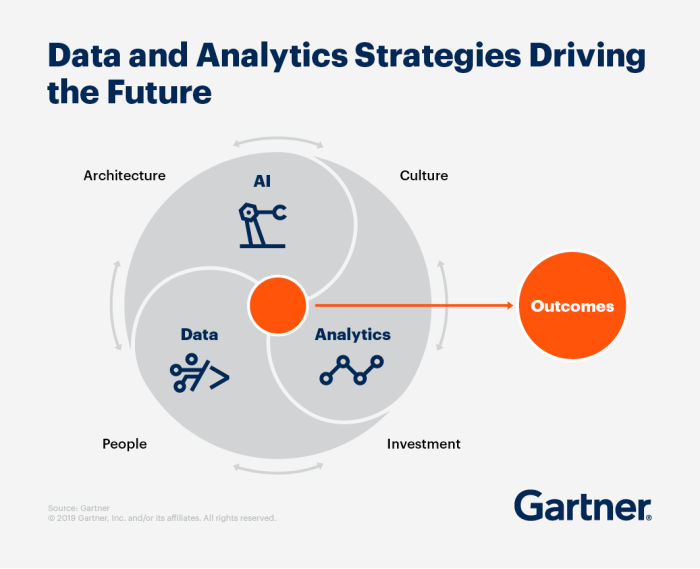
Data analytics tools play a crucial role in extracting insights from data to aid in decision-making processes. In this section, we will compare popular tools like Tableau, Power BI, and Google Analytics, discuss the benefits of visualization tools in data analytics, and explain how machine learning algorithms can enhance strategic decision-making.
Comparison of Popular Data Analytics Tools
When it comes to data analytics tools, Tableau, Power BI, and Google Analytics are among the most widely used platforms in the industry. Each tool offers unique features and capabilities that cater to different needs and preferences.
- Tableau: Tableau is known for its powerful visualization capabilities, allowing users to create interactive dashboards and reports effortlessly. It supports a wide range of data sources and provides advanced analytics functionalities.
- Power BI: Power BI, developed by Microsoft, is another popular tool that offers robust data visualization and business intelligence features. It integrates seamlessly with other Microsoft products and services, making it a preferred choice for organizations using Microsoft ecosystems.
- Google Analytics: Google Analytics is primarily used for web analytics, tracking website traffic and user behavior. It provides valuable insights into website performance and audience engagement, helping businesses optimize their online presence.
Benefits of Visualization Tools in Data Analytics
Visualization tools play a crucial role in data analytics by transforming complex data sets into visual representations that are easier to interpret and analyze. Some key benefits of using visualization tools include:
- Enhanced Data Understanding: Visualizations help stakeholders grasp complex data patterns and trends quickly, facilitating better decision-making.
- Improved Communication: Visualizations make it easier to communicate findings and insights to non-technical audiences, enabling better collaboration across teams.
- Identifying Patterns and Trends: Visualizations enable users to identify patterns, correlations, and outliers in data that may not be apparent in raw data sets.
Enhancing Decision-Making with Machine Learning Algorithms
Machine learning algorithms play a vital role in data analytics by automating the process of extracting insights from data and making predictions based on historical patterns. By leveraging machine learning algorithms, organizations can enhance strategic decision-making in the following ways:
- Predictive Analytics: Machine learning algorithms can be used to forecast future trends and outcomes, helping businesses anticipate market changes and make proactive decisions.
- Personalized Recommendations: Machine learning algorithms can analyze customer behavior and preferences to provide personalized product recommendations, enhancing customer satisfaction and retention.
- Anomaly Detection: Machine learning algorithms can detect anomalies or irregularities in data, alerting organizations to potential risks or opportunities that require immediate attention.
Implementing Data Analytics in Decision-Making
Implementing data analytics in decision-making is crucial for organizations to gain valuable insights and make informed strategic decisions. Companies across various industries have successfully utilized data analytics to drive growth and improve performance. By leveraging data analytics tools and techniques, businesses can enhance their decision-making processes and stay ahead of the competition.
Successful Utilization of Data Analytics
- Amazon: Amazon uses data analytics to personalize recommendations for customers, improve supply chain efficiency, and optimize pricing strategies.
- Netflix: Netflix leverages data analytics to analyze viewer preferences, recommend personalized content, and create original programming based on data insights.
- Walmart: Walmart uses data analytics to optimize inventory management, forecast demand, and enhance customer experience through personalized marketing campaigns.
Challenges in Implementing Data Analytics
- Data Quality: Ensuring data accuracy, consistency, and completeness can be a challenge when implementing data analytics.
- Data Privacy: Organizations need to address data privacy concerns and adhere to regulations to protect customer information.
- Skills Gap: The shortage of data analytics talent and expertise can hinder the successful implementation of data analytics initiatives.
Tips for Effective Integration of Data Analytics
- Define Clear Objectives: Clearly define the objectives and goals of using data analytics to align with the organization’s strategic priorities.
- Invest in Training: Provide training and upskilling opportunities to employees to enhance their data analytics skills and capabilities.
- Collaborate Across Teams: Foster collaboration between data analysts, business leaders, and IT teams to ensure effective integration of data analytics into decision-making processes.
Ethical Considerations in Data Analytics
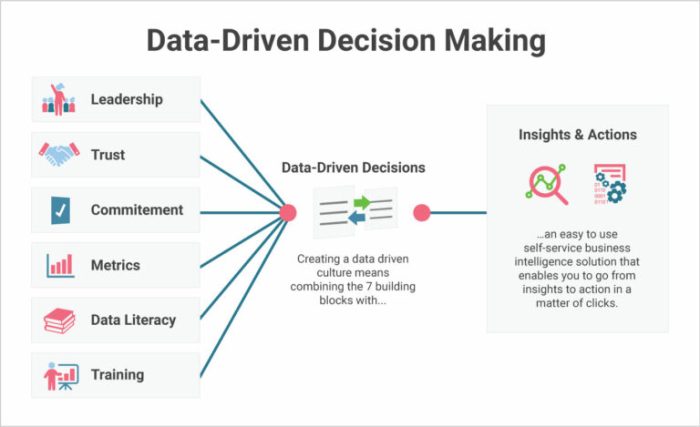
In the realm of data analytics, ethical considerations play a crucial role in ensuring that the use of data for decision-making is done responsibly and with integrity. As organizations increasingly rely on data to drive strategic decisions, it is essential to address the ethical implications that come with the collection, analysis, and utilization of data.
Privacy Concerns in Data Collection and Analysis
Data collection and analysis raise significant privacy concerns, especially when personal or sensitive information is involved. Organizations must be transparent about the data they collect, how it is used, and ensure that proper consent is obtained from individuals. Additionally, data should be anonymized whenever possible to protect the privacy of individuals.
Best Practices for Ensuring Ethical Standards in Data Analytics Processes
- Implementing clear data governance policies: Organizations should establish clear guidelines on how data is collected, stored, and used to ensure ethical standards are met.
- Ensuring data security: Data should be securely stored and protected from unauthorized access to prevent data breaches and potential misuse.
- Regular audits and transparency: Regular audits of data analytics processes can help ensure compliance with ethical standards, and transparency in decision-making can build trust with stakeholders.
- Respecting data subjects’ rights: Organizations should respect data subjects’ rights, including the right to access, correct, and delete their data, in line with data protection regulations.
Ending Remarks: Utilizing Data Analytics For Strategic Decision-making
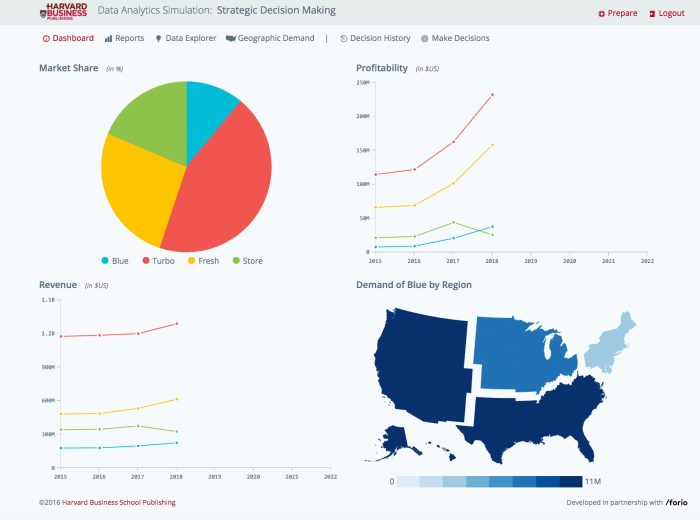
In conclusion, leveraging data analytics for strategic decision-making empowers businesses to make informed choices based on data-driven insights, ultimately leading to improved performance and competitive advantage. By embracing the power of data analytics, organizations can unlock new opportunities, mitigate risks, and drive innovation in an increasingly complex business landscape.
Employee productivity is a crucial aspect of any organization’s success. Implementing innovative ways to improve employee productivity can lead to increased efficiency and overall performance. By offering flexible work arrangements, providing professional development opportunities, and fostering a positive work environment, companies can enhance their employees’ engagement and output.
Establishing a strong brand identity is essential for businesses to stand out in the market. Utilizing best practices for creating a strong brand identity involves consistent messaging, visual elements, and customer experiences. By building a cohesive brand image and communicating core values effectively, companies can differentiate themselves from competitors and build customer loyalty.
The e-commerce industry has witnessed significant changes post-pandemic. Keeping up with the latest trends in e-commerce industry post-pandemic such as increased online shopping, digital payment options, and personalized shopping experiences is crucial for businesses to stay competitive. Embracing technology and adapting to consumer preferences are key strategies for success in the evolving e-commerce landscape.