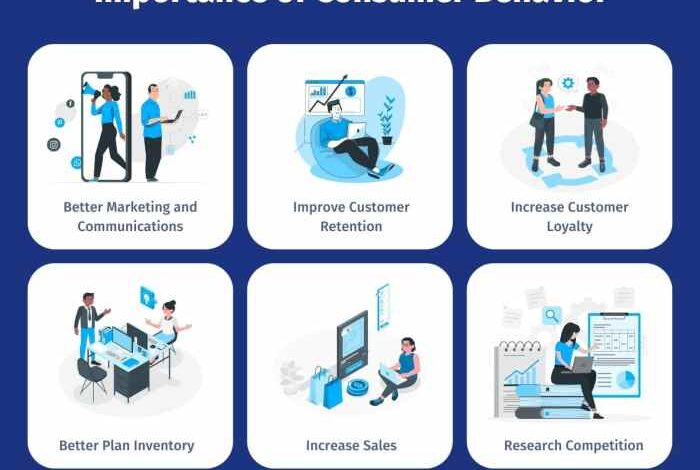
Kicking off with Understanding consumer behavior for better marketing, this opening paragraph is designed to captivate and engage the readers, setting the tone research style that unfolds with each word.
Consumer behavior is a critical aspect of marketing strategy. Understanding why consumers make the choices they do can greatly impact how businesses market their products or services. By delving into the factors influencing consumer behavior, the decision-making process, market segmentation, research methods, and the role of emotions, companies can tailor their marketing efforts effectively to reach their target audience. Let’s explore this intriguing topic further.

Factors influencing consumer behavior
Consumer behavior is influenced by a variety of factors that can shape purchasing decisions. These factors include cultural, social, personal, and psychological influences that play a significant role in how consumers behave in the marketplace.
Cultural Factors
Cultural factors encompass the values, beliefs, customs, and behaviors that are learned and shared by a group of people. These factors can significantly impact consumer behavior as individuals are influenced by their cultural background. For example, in some cultures, the color white symbolizes purity and is often associated with weddings, while in other cultures, it represents mourning. This cultural difference can affect the choice of wedding attire or funeral arrangements.
Social Factors
Social factors refer to the influence of family, friends, social groups, and society in general on consumer behavior. People often make purchasing decisions based on recommendations from friends or family, or they may be influenced by social media trends and celebrities. For instance, the popularity of a certain brand among a person’s social circle can sway their decision to purchase that particular product.
Personal Factors
Personal factors include individual characteristics such as age, gender, occupation, lifestyle, and personality traits. These factors can impact consumer behavior as people have different needs, preferences, and buying habits based on their personal attributes. For example, a young professional may prioritize convenience and technology when choosing a smartphone, whereas an elderly retiree might prioritize simplicity and ease of use.
Psychological Factors
Psychological factors involve the internal processes that drive consumer behavior, including perception, motivation, attitude, and learning. Consumers’ perceptions of a product or brand, their motivations for making a purchase, their attitudes towards shopping, and their past experiences all play a role in influencing their buying decisions. For instance, a consumer who has had a positive experience with a particular brand in the past is more likely to choose that brand again in the future.
Overall, these factors work together to shape consumer behavior and understanding them is crucial for marketers to develop effective strategies that resonate with their target audience.
The consumer decision-making process
In the consumer decision-making process, individuals go through several stages before making a purchase. These stages help consumers evaluate their needs, explore options, make a decision, and eventually make a purchase. Understanding these stages is crucial for marketers to develop effective strategies to target consumers successfully.
Stages of the consumer decision-making process
- 1. Recognition of Need: The process begins when a consumer recognizes a problem or need that needs to be addressed. This could be triggered by internal factors (such as hunger or thirst) or external factors (such as advertisements).
- 2. Information Search: Once the need is identified, consumers will actively seek information about products or services that could satisfy that need. This can involve researching online, reading reviews, or seeking recommendations from friends and family.
- 3. Evaluation of Alternatives: In this stage, consumers will compare different options based on various factors such as price, quality, brand reputation, and features. Marketers can influence this stage by highlighting the unique selling points of their products or services.
- 4. Purchase Decision: After evaluating the alternatives, consumers will make a decision on which product or service to purchase. Marketers can use strategies like discounts, promotions, or limited-time offers to encourage consumers to make a purchase.
- 5. Post-Purchase Behavior: Once a purchase is made, consumers will evaluate their decision based on their level of satisfaction. Marketers can follow up with customers, gather feedback, and address any issues to ensure customer loyalty and repeat purchases.
Illustrative Example
Let’s consider the example of a consumer looking to buy a new smartphone. The consumer realizes that their current phone is slow and outdated, leading to the recognition of a need for a new device (Recognition of Need). They then start researching different smartphone models, reading reviews, comparing features, and prices (Information Search). After gathering information, the consumer narrows down their options to a few brands that meet their requirements (Evaluation of Alternatives). Eventually, the consumer decides to purchase a specific smartphone model based on its features, price, and positive reviews (Purchase Decision). After using the new phone, the consumer assesses its performance and overall satisfaction, which will influence their future buying decisions and brand loyalty (Post-Purchase Behavior).
Market segmentation and consumer behavior
Market segmentation is the process of dividing a broad consumer market into subgroups of consumers with similar characteristics, needs, or behaviors. This segmentation is crucial in understanding consumer behavior because it allows marketers to tailor their strategies to specific groups, leading to more effective marketing campaigns.
Importance of Market Segmentation
Market segmentation is important in understanding consumer behavior as it helps marketers identify and target specific consumer groups based on their unique characteristics and preferences. By segmenting the market, marketers can create more personalized marketing messages, products, and services that resonate with the target audience, ultimately leading to higher customer satisfaction and loyalty.
- Market segmentation enables marketers to identify niche markets and target them with customized products or services.
- It helps in allocating resources efficiently by focusing on segments that are most likely to respond to marketing efforts.
- By understanding the needs and preferences of different segments, marketers can develop targeted marketing strategies that are more likely to drive consumer engagement and purchase behavior.
Successful Market Segmentation Strategies
Successful market segmentation strategies involve identifying key consumer segments and developing tailored marketing approaches to meet their specific needs. One example of a successful market segmentation strategy is Nike’s segmentation based on consumer lifestyles and behaviors.
- Nike has successfully segmented its market based on factors such as fitness levels, activity preferences, and style preferences.
- By targeting specific consumer segments, such as runners, basketball players, or fitness enthusiasts, Nike is able to create specialized products and marketing campaigns that appeal to each group.
- This targeted approach has allowed Nike to establish a strong brand presence in each segment, leading to increased brand loyalty and higher sales among different consumer groups.
Consumer behavior research methods: Understanding Consumer Behavior For Better Marketing
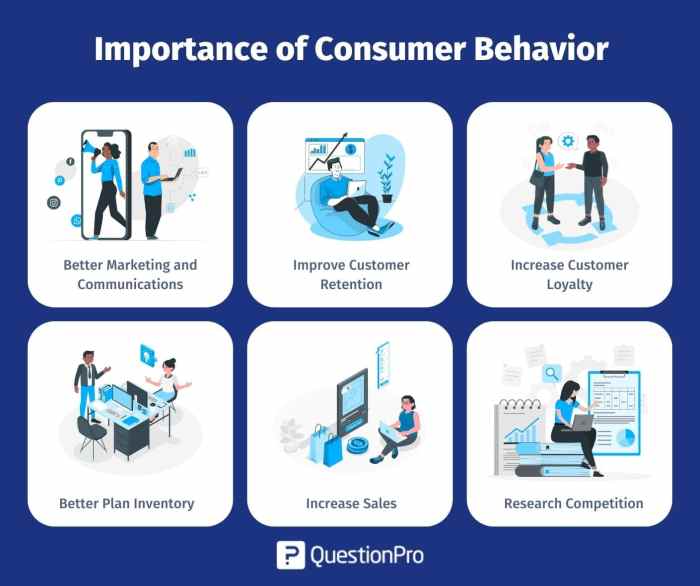
Consumer behavior research methods are essential for companies to understand their target audience and tailor their marketing strategies effectively. By utilizing various research methods, companies can gain valuable insights into consumer preferences, motivations, and decision-making processes.
Quantitative research methods
Quantitative research methods involve collecting numerical data through surveys, questionnaires, and experiments. These methods allow companies to analyze large datasets and identify patterns or trends in consumer behavior. Quantitative research provides statistical evidence to support marketing strategies and measure the effectiveness of campaigns.
- Surveys: Surveys are commonly used to gather information from a large sample of consumers. Companies can design structured questionnaires to collect quantitative data on consumer preferences, buying habits, and brand perception.
- Experiments: Controlled experiments can help companies test hypotheses and measure the impact of different variables on consumer behavior. By manipulating certain factors and observing the outcomes, companies can gain valuable insights into consumer decision-making processes.
- Big Data Analysis: With the advancements in technology, companies can now analyze large sets of data to uncover hidden patterns and correlations. Big data analysis allows companies to personalize marketing campaigns based on consumer behavior trends.
Qualitative research methods, Understanding consumer behavior for better marketing
Qualitative research methods focus on exploring consumer behavior in-depth through interviews, focus groups, and observations. These methods provide valuable insights into the emotions, attitudes, and motivations behind consumer decisions.
- Interviews: In-depth interviews allow companies to delve deep into the consumer’s mindset and understand the underlying reasons for their choices. By conducting qualitative interviews, companies can uncover valuable insights that quantitative data may not capture.
- Focus Groups: Focus groups bring together a small group of consumers to discuss their perceptions, opinions, and preferences. Companies can observe interactions among participants and gain qualitative insights into consumer behavior.
- Observations: Observational research involves directly observing consumer behavior in real-life settings. By watching how consumers interact with products or make purchasing decisions, companies can gain valuable insights into consumer preferences and habits.
Using consumer behavior research for marketing campaigns
Consumer behavior research can help companies tailor their marketing campaigns to meet the needs and preferences of their target audience effectively. By analyzing consumer data and insights, companies can:
- Identify target segments: By understanding consumer behavior, companies can identify specific target segments and tailor their marketing messages to resonate with their needs and preferences.
- Personalize marketing campaigns: Consumer behavior research allows companies to personalize marketing campaigns based on individual preferences, increasing engagement and conversion rates.
- Optimize product offerings: By analyzing consumer feedback and behavior, companies can optimize their product offerings to meet consumer demands and stay ahead of competitors.
The role of emotions in consumer behavior
Emotions play a significant role in shaping consumer behavior and decision-making. When consumers make purchasing decisions, emotions often play a crucial role alongside rational considerations. Emotional responses can influence how consumers perceive products or brands, leading to preferences and loyalty.
Influence of emotions on consumer decision-making
Emotions can impact consumer decision-making in various ways. For example, positive emotions like joy, excitement, or trust can lead to a stronger connection with a brand or product, increasing the likelihood of purchase. On the other hand, negative emotions such as fear, anger, or frustration can deter consumers from engaging with a brand or making a purchase. Understanding how emotions influence consumer behavior is essential for marketers to craft effective strategies.
- Emotional branding: Companies can create emotional connections with consumers by aligning their brand messaging with specific emotions. For example, Coca-Cola’s “Share a Coke” campaign evoked feelings of happiness and personalization by putting individual names on their bottles, leading to increased engagement and sales.
- Emotional triggers in marketing: Leveraging emotional triggers in advertising can enhance consumer engagement and drive purchasing behavior. Ads that evoke nostalgia, humor, or empathy can resonate with consumers on a deeper level, influencing their decision-making process.
Examples of successful marketing campaigns tapping into consumer emotions
- Dove’s “Real Beauty” campaign: Dove’s campaign focused on promoting self-confidence and celebrating diverse beauty standards, resonating with consumers on an emotional level. By challenging traditional beauty norms, Dove established a strong emotional connection with its audience, leading to increased brand loyalty and sales.
- Apple’s “Shot on iPhone” campaign: Apple’s campaign showcasing user-generated photos captured on iPhones appealed to consumers’ emotions by highlighting creativity, personal moments, and the power of technology. The emotional impact of these visually stunning ads helped strengthen Apple’s brand image and drive sales.
Wrap-Up
In conclusion, understanding consumer behavior is key to successful marketing strategies. By grasping the various factors that influence consumer choices, the decision-making process, market segmentation, research methods, and emotional triggers, businesses can create more targeted and impactful campaigns. Embracing consumer behavior insights can lead to enhanced customer engagement and loyalty, ultimately driving business growth and success.
Successful negotiation skills are essential in the business world. Companies rely on individuals who possess the ability to communicate effectively, build relationships, and find common ground during negotiations. By mastering negotiation techniques, businesses can secure better deals and partnerships, ultimately leading to increased profitability.
To learn more about successful negotiation skills in business, visit Successful negotiation skills in business.
Effective marketing techniques play a crucial role in the success of online businesses. With the ever-evolving digital landscape, businesses need to stay ahead of the competition by utilizing innovative marketing strategies. From social media campaigns to targeted advertising, online businesses can reach their target audience and drive sales growth.
For more information on effective marketing techniques for online businesses, check out Effective marketing techniques for online businesses.
The impact of social media on business growth cannot be understated. In today’s interconnected world, social media platforms serve as powerful tools for businesses to engage with customers, build brand awareness, and drive sales. By leveraging the reach and influence of social media, businesses can experience exponential growth and stay relevant in the market.
To explore more about the impact of social media on business growth, visit The impact of social media on business growth.
