
Innovations in supply chain management are reshaping the way businesses operate, introducing groundbreaking strategies that enhance efficiency and promote sustainability. From advanced technologies to eco-conscious practices, this topic delves into the dynamic landscape of supply chain evolution.
Overview of Innovations in Supply Chain Management
Supply chain management involves the coordination and integration of all activities involved in sourcing, procurement, production, and logistics to ensure the smooth flow of goods and services from the point of origin to the point of consumption.






Innovations in supply chain management play a crucial role in enhancing efficiency, reducing costs, improving customer satisfaction, and gaining a competitive edge in the market. By leveraging technology, data analytics, automation, and collaboration, companies can optimize their supply chains and respond quickly to changing market dynamics and consumer demands.
Traditional Supply Chain Practices vs. Modern Innovative Approaches
- Traditional: Manual inventory management and forecasting techniques were commonly used, leading to inefficiencies, excess inventory, and stockouts.
- Innovative: Advanced forecasting algorithms and machine learning technologies are now employed to predict demand accurately, optimize inventory levels, and reduce wastage.
- Traditional: Linear supply chain models with limited visibility and communication between different stakeholders.
- Innovative: Networked supply chains with real-time data sharing, IoT devices, and blockchain technology enable end-to-end visibility, transparency, and collaboration among suppliers, manufacturers, distributors, and customers.
- Traditional: Batch production and long lead times resulting in delays and high carrying costs.
- Innovative: Just-in-time manufacturing, agile production processes, and 3D printing allow for customization, faster production cycles, and reduced inventory holding costs.
Technology Integration in Supply Chain Innovations
Technology integration has revolutionized supply chain management, leading to increased efficiency, transparency, and agility in operations. Various technologies such as Artificial Intelligence (AI), Internet of Things (IoT), blockchain, and automation have played a pivotal role in transforming traditional supply chain processes.
Benefits of Integrating Technology into Supply Chain Processes
- Enhanced Visibility: Technologies like IoT enable real-time tracking of products throughout the supply chain, providing better visibility and control over inventory.
- Improved Efficiency: Automation of routine tasks through AI and robotics streamlines operations, reducing human errors and increasing productivity.
- Risk Mitigation: Blockchain technology ensures secure and transparent transactions, reducing the risk of fraud and counterfeiting in the supply chain.
- Data-Driven Decision Making: AI algorithms analyze vast amounts of data to optimize supply chain operations, leading to better decision-making and forecasting.
Real-Life Examples of Companies Using Technology-Driven Innovations
- Amazon: Utilizes AI algorithms to predict customer demands and optimize inventory management, reducing stockouts and overstock situations.
- Walmart: Implements IoT sensors to monitor temperature-sensitive products during transit, ensuring product quality and compliance with regulations.
- Maersk: Leverages blockchain technology for secure and efficient documentation of shipping containers, reducing paperwork and enhancing traceability.
- Tesla: Incorporates automation in its manufacturing processes to increase production speed and accuracy, meeting the high demand for electric vehicles.
Sustainability Initiatives in Supply Chain Innovations
In today’s globalized world, sustainability practices have become increasingly crucial in supply chain management. Companies are recognizing the importance of integrating sustainable initiatives into their operations to reduce their environmental impact, meet consumer demand for eco-friendly products, and enhance their overall reputation.
Role of Sustainable Sourcing
Sustainable sourcing involves procuring goods and services in a way that minimizes negative environmental and social impacts. This includes sourcing raw materials from suppliers who adhere to ethical labor practices, use environmentally friendly production methods, and prioritize sustainable practices throughout the supply chain. Companies like Patagonia have implemented sustainable sourcing strategies by working closely with suppliers to ensure transparency and compliance with environmental standards.
Role of Green Logistics
Green logistics focuses on reducing the carbon footprint of transportation and distribution activities within the supply chain. This can include optimizing transportation routes, using eco-friendly packaging materials, and investing in energy-efficient vehicles. Companies like UPS have adopted green logistics practices by implementing alternative fuel vehicles, route optimization software, and sustainable packaging solutions to minimize their environmental impact.
Role of Circular Economy Principles
Circular economy principles aim to minimize waste and maximize the reuse and recycling of resources throughout the supply chain. This involves designing products for longevity, facilitating the recovery and repurposing of materials, and promoting a closed-loop system where resources are continuously reused. Companies like IKEA have embraced circular economy principles by offering furniture take-back programs, using recycled materials in their products, and exploring innovative ways to extend the lifespan of their products.
Data Analytics and Predictive Modeling in Supply Chain Innovations
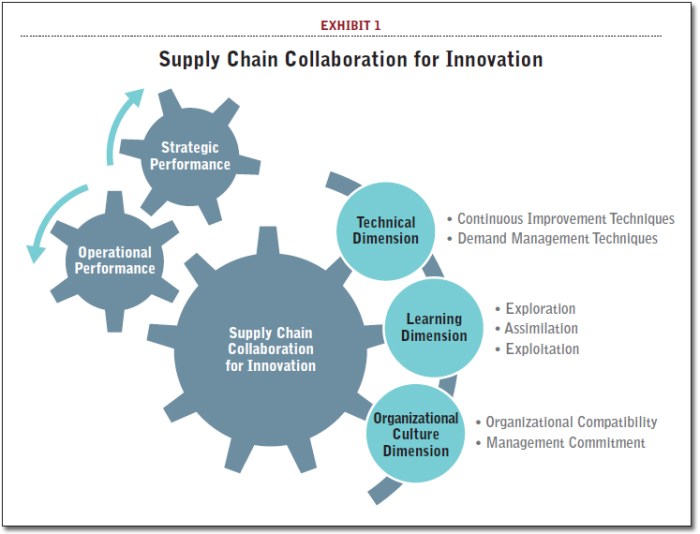
Data analytics and predictive modeling play a crucial role in optimizing supply chain operations by providing valuable insights and predictions that help organizations make informed decisions. By leveraging data analytics tools and techniques, companies can enhance efficiency, reduce costs, and improve overall supply chain performance.
Optimizing Supply Chain Operations through Data Analytics
- Data analytics allows companies to analyze large volumes of data from various sources, such as sensors, IoT devices, and transaction records, to identify patterns, trends, and anomalies.
- By utilizing predictive modeling, organizations can forecast demand, identify potential risks, and optimize inventory levels to meet customer needs while minimizing excess stock.
- Real-time data analytics enables supply chain managers to monitor key performance indicators (KPIs) and make quick adjustments to address any disruptions or bottlenecks in the supply chain.
Significance of Real-Time Data in Decision-Making, Innovations in supply chain management
- Real-time data provides up-to-date information on inventory levels, order status, and transportation routes, allowing companies to respond promptly to changing market conditions and customer demands.
- By integrating real-time data analytics into their supply chain processes, organizations can improve forecasting accuracy, optimize production schedules, and enhance overall supply chain visibility.
- Real-time data also enables proactive decision-making, helping companies mitigate risks, reduce lead times, and enhance collaboration with suppliers and logistics partners.
Companies Leveraging Data Analytics for Supply Chain Efficiencies
- Amazon utilizes predictive analytics to forecast customer demand, optimize inventory management, and streamline order fulfillment processes, resulting in faster delivery times and improved customer satisfaction.
- Walmart employs data analytics to track product sales in real-time, optimize store replenishment, and reduce stockouts, enhancing inventory turnover and minimizing carrying costs.
- UPS leverages data analytics to optimize route planning, improve delivery efficiency, and reduce fuel consumption, leading to cost savings and environmental sustainability in its supply chain operations.
Wrap-Up: Innovations In Supply Chain Management
As we conclude our exploration of innovations in supply chain management, it becomes evident that embracing technological advancements and sustainable initiatives is crucial for staying competitive in today’s market. The fusion of efficiency and sustainability marks the path forward for supply chain success.
In the competitive business world, creating a strong brand identity is crucial for success. By following the best practices for creating a strong brand identity , companies can establish a unique and recognizable image that resonates with their target audience.
Consistency in branding elements such as logo, color scheme, and messaging is key to building brand loyalty and trust.
The e-commerce industry has witnessed significant shifts in consumer behavior post-pandemic. To stay ahead, businesses need to adapt to the latest trends in technology and consumer preferences. Understanding the trends in e-commerce industry post-pandemic such as mobile shopping, personalized experiences, and sustainable practices can help businesses thrive in the digital marketplace.
For small startups, implementing effective business strategies is essential for sustainable growth. By leveraging digital marketing, networking, and innovative product offerings, small businesses can compete with larger competitors. Discovering the right business strategies for small startups can lead to increased visibility, customer engagement, and ultimately, profitability.