Implementing sustainable practices in business operations sets the stage for this enthralling narrative, offering readers a glimpse into a story that is rich in detail with research style and brimming with originality from the outset.
As businesses strive to adapt to changing times, sustainability has emerged as a crucial aspect of operations. This article delves into the significance, strategies, benefits, and challenges of integrating sustainable practices in business settings.
Importance of Implementing Sustainable Practices in Business Operations

Implementing sustainable practices in business operations is crucial in today’s world where environmental concerns are at the forefront of global discussions. By integrating sustainability into their operations, businesses can not only reduce their environmental impact but also improve their reputation, attract more customers, and even save costs in the long run.
Examples of Successful Companies Benefitting from Sustainable Practices
- Unilever: Unilever has set ambitious sustainability goals and has been able to reduce its environmental footprint while increasing its profitability. By focusing on sustainable sourcing, waste reduction, and energy efficiency, Unilever has shown that sustainability can go hand in hand with business success.
- Patagonia: Patagonia is known for its commitment to environmental and social responsibility. By using recycled materials, reducing waste, and supporting environmental initiatives, Patagonia has built a loyal customer base that values sustainability. This has not only boosted their sales but also their brand reputation.
- Tesla: Tesla has revolutionized the automotive industry with its electric vehicles that are not only environmentally friendly but also high-performing. By promoting sustainable transportation, Tesla has captured a growing market of eco-conscious consumers and has become a leader in the shift towards a greener future.
Positive Impact of Sustainable Practices on the Environment and Society
Sustainable practices in business operations can have a profound positive impact on the environment and society. By reducing greenhouse gas emissions, conserving natural resources, and promoting ethical labor practices, businesses can contribute to a healthier planet and improve the well-being of communities. Not only does this benefit the environment and society as a whole, but it also creates a more resilient and sustainable business model for the future.
Strategies for Implementing Sustainable Practices
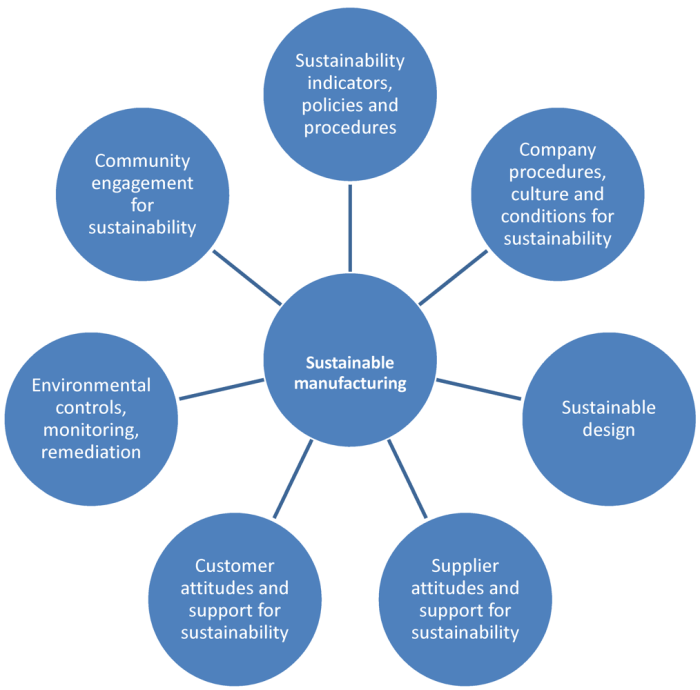
Implementing sustainable practices in business operations is crucial for reducing environmental impact and improving long-term viability. Here are some practical strategies that businesses can adopt to incorporate sustainability into their operations:
Setting Sustainability Goals and Creating a Roadmap
- Define clear and measurable sustainability goals that align with your business values and objectives.
- Conduct a comprehensive assessment of current practices to identify areas for improvement.
- Create a detailed roadmap outlining specific actions, timelines, and responsible stakeholders for implementing sustainability initiatives.
- Regularly monitor and evaluate progress towards sustainability goals to ensure continuous improvement.
Reducing Waste
- Implement waste reduction strategies such as recycling, composting, and reusing materials within your operations.
- Optimize packaging designs to minimize waste generation and promote eco-friendly packaging alternatives.
- Engage employees in waste reduction initiatives through training programs and incentives for sustainable practices.
Using Renewable Energy
- Invest in renewable energy sources such as solar, wind, or hydroelectric power to reduce reliance on fossil fuels.
- Implement energy-efficient technologies and practices to minimize energy consumption and carbon emissions.
- Explore opportunities for on-site renewable energy generation to offset electricity usage and lower environmental impact.
Implementing Eco-Friendly Policies
- Develop and enforce environmental policies that promote sustainability throughout the organization.
- Engage suppliers and partners in sustainable practices by setting standards for eco-friendly sourcing and operations.
- Educate customers about your commitment to sustainability and encourage them to support environmentally responsible businesses.
Benefits of Implementing Sustainable Practices
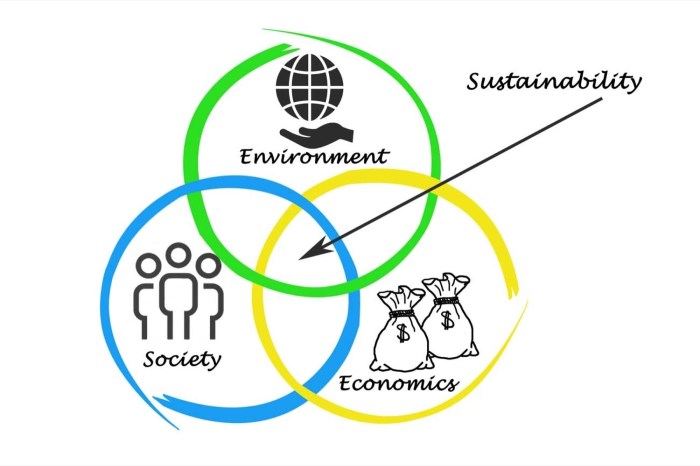
Implementing sustainable practices in business operations can bring various benefits that go beyond just environmental impact. These benefits can positively impact the bottom line, enhance brand reputation, and boost employee morale. Let’s delve into the advantages of adopting sustainable practices in terms of cost savings, brand reputation, and employee morale.
Cost Savings
- Sustainable practices often lead to reduced operational costs through energy efficiency, waste reduction, and resource optimization.
- Investing in renewable energy sources can result in long-term cost savings by lowering energy expenses.
- Implementing sustainable supply chain practices can help streamline processes and reduce costs associated with raw materials and transportation.
Brand Reputation
- Companies that prioritize sustainability are viewed more favorably by consumers, leading to increased brand loyalty and positive word-of-mouth marketing.
- Strong commitment to sustainability can differentiate a business from competitors and attract environmentally conscious customers who align with the company’s values.
- A positive brand reputation built on sustainable practices can enhance market positioning and create a competitive advantage in the industry.
Employee Morale
- Employees are more engaged and motivated when working for a company that values sustainability and social responsibility.
- Sustainable initiatives can boost employee morale by fostering a sense of purpose and contributing to a positive work culture.
- Companies with strong sustainability practices often attract top talent who are passionate about making a difference and working for socially responsible organizations.
Innovation and Customer Attraction
- Sustainability initiatives can drive innovation within a company, leading to the development of eco-friendly products, services, and processes.
- Businesses that prioritize sustainability are more likely to attract environmentally conscious customers who prefer to support ethical and sustainable brands.
- Catering to the growing demand for sustainable products and services can expand the customer base and drive business growth.
Long-Term Benefits
- Implementing sustainable practices can future-proof a business by reducing environmental impact and mitigating risks associated with climate change and resource scarcity.
- Long-term benefits of sustainability include enhanced resilience, improved stakeholder relationships, and a positive impact on the ecosystem and society as a whole.
- By adopting sustainable practices, businesses can create a legacy of responsible stewardship and contribute to a more sustainable future for generations to come.
Challenges and Solutions in Implementing Sustainable Practices
Implementing sustainable practices in business operations can be a challenging task for many organizations. From financial constraints to lack of employee buy-in, there are various obstacles that can hinder the successful integration of sustainability measures. However, with careful planning and strategic solutions, these challenges can be overcome to create a more sustainable and environmentally friendly business model.
Common Obstacles in Implementing Sustainable Practices
When attempting to implement sustainable practices, businesses often face the following common obstacles:
- Lack of financial resources to invest in sustainable technologies and practices
- Resistance from stakeholders who may not see the immediate benefits of sustainability
- Difficulty in measuring the impact of sustainable initiatives on the bottom line
- Complexity of supply chain management and ensuring sustainability throughout the entire value chain
Solutions to Address These Challenges, Implementing sustainable practices in business operations
To address these challenges and ensure successful integration of sustainable practices, businesses can consider the following solutions:
- Develop a clear sustainability strategy with measurable goals and targets
- Engage with stakeholders and educate them about the benefits of sustainability
- Invest in employee training and development to build a culture of sustainability within the organization
- Collaborate with suppliers and partners to create a sustainable supply chain
Case Studies of Companies Overcoming Hurdles in Implementing Sustainable Practices
Several companies have successfully overcome challenges in implementing sustainable practices. One such example is Unilever, which has set ambitious sustainability goals and implemented initiatives to reduce its environmental footprint. By engaging with suppliers, investing in renewable energy, and promoting sustainable sourcing practices, Unilever has been able to integrate sustainability into its core business operations.
Final Wrap-Up
In conclusion, embracing sustainable practices in business operations not only ensures a brighter future for our planet and society but also paves the way for long-term success and growth. By prioritizing sustainability, companies can drive innovation, enhance their reputation, and contribute positively to the world we live in.
Financial management is crucial for entrepreneurs to ensure the success of their businesses. By following top financial management tips for entrepreneurs , such as creating a budget, monitoring cash flow, and investing wisely, entrepreneurs can make informed decisions that lead to sustainable growth.
Creating a strong brand identity is essential for businesses to stand out in a competitive market. Entrepreneurs can benefit from best practices for creating a strong brand identity , including defining their unique value proposition, consistent messaging, and engaging with their target audience to build brand loyalty.
Social media has a significant impact on business growth in today’s digital age. Businesses can leverage the impact of social media on business growth by engaging with customers, building brand awareness, and driving traffic to their websites, ultimately leading to increased sales and profitability.
