
Implementing diversity and inclusion in the workplace is crucial for fostering a positive company culture and driving innovation. This comprehensive guide explores the benefits, strategies, challenges, and success metrics associated with creating a diverse and inclusive work environment.
From understanding the importance of diversity to overcoming obstacles and measuring progress, this topic delves into every aspect of implementing diversity and inclusion in the workplace.
Importance of Diversity and Inclusion
Diversity and inclusion in the workplace are crucial for creating a positive environment where employees feel valued, respected, and empowered. Embracing diversity goes beyond just meeting compliance standards; it brings a wide range of benefits that can positively impact company culture and performance.
Benefits of Implementing Diversity and Inclusion
- Promotes creativity and innovation: Diversity brings together individuals with unique perspectives, experiences, and ideas. By fostering a culture of inclusion, organizations can leverage this diversity to drive innovation and creativity within teams.
- Enhances decision-making: A diverse workforce can lead to more well-rounded and informed decisions. Different viewpoints and approaches help in considering a variety of perspectives before making crucial business decisions.
- Improves employee engagement and morale: When employees feel included and valued for who they are, they are more likely to be engaged and motivated. This, in turn, can boost morale and overall job satisfaction.
Role of Diversity and Inclusion in Fostering Innovation and Creativity
Diversity and inclusion play a vital role in fostering innovation and creativity within teams by:
- Encouraging collaboration: When individuals from diverse backgrounds come together, they bring a wealth of knowledge and expertise. This collaboration leads to the exchange of ideas and perspectives, sparking creativity and innovation.
- Promoting a culture of learning: Inclusive environments encourage continuous learning and growth. Employees feel comfortable sharing their ideas and exploring new ways of thinking, leading to innovative solutions to challenges.
- Driving competitive advantage: Organizations that prioritize diversity and inclusion are better equipped to adapt to changing market demands and trends. By embracing different perspectives and talents, companies can gain a competitive edge in the marketplace.
Strategies for Implementing Diversity and Inclusion
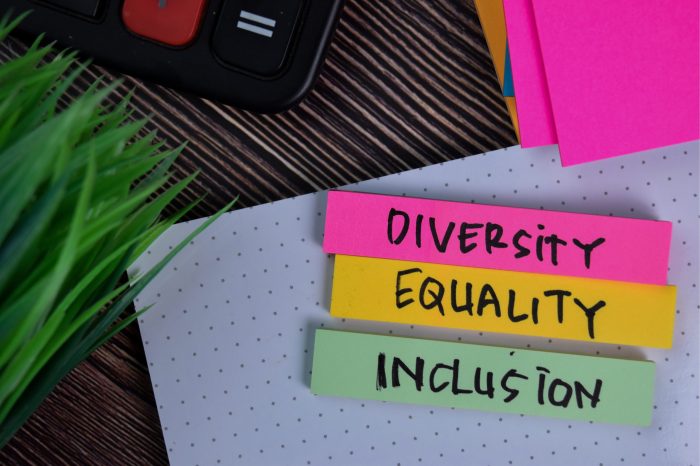
Implementing diversity and inclusion in the workplace requires a strategic approach to ensure that all employees feel valued and respected. By following key steps and best practices, organizations can create a culture that celebrates differences and promotes equality.
Key Steps for Creating a Diverse and Inclusive Workplace
- Establish a Diversity and Inclusion Committee: Form a dedicated team that is responsible for developing and implementing initiatives to promote diversity and inclusion.
- Set Clear Diversity Goals: Define measurable objectives related to diversity hiring, promotion, and retention to track progress and hold the organization accountable.
- Provide Diversity Training: Offer training programs to educate employees on topics such as unconscious bias, cultural awareness, and inclusive language.
- Encourage Open Communication: Create a safe space for employees to share their experiences, perspectives, and feedback on diversity and inclusion initiatives.
- Celebrate Differences: Organize events and activities that highlight the diverse backgrounds and talents of employees to foster a sense of belonging.
Best Practices for Recruiting a Diverse Workforce
- Implement Blind Recruitment: Remove identifying information from resumes to reduce bias and focus on qualifications and skills.
- Partner with Diverse Organizations: Collaborate with community groups, universities, and professional associations to attract candidates from underrepresented groups.
- Promote Diversity in Job Postings: Use inclusive language and imagery to attract a diverse pool of applicants and signal a commitment to diversity.
- Offer Diversity Scholarships and Internships: Provide opportunities for students and early-career professionals from diverse backgrounds to gain experience and access to your organization.
Training Programs to Help Employees Understand the Importance of Diversity and Inclusion
- Unconscious Bias Training: Educate employees on how biases can impact decision-making and interactions with colleagues, customers, and partners.
- Cultural Competency Workshops: Provide tools and resources to help employees navigate cross-cultural interactions and communicate effectively with diverse teams.
- Inclusive Leadership Development: Offer training for managers and supervisors to promote inclusive practices, address microaggressions, and support diverse team members.
Overcoming Challenges
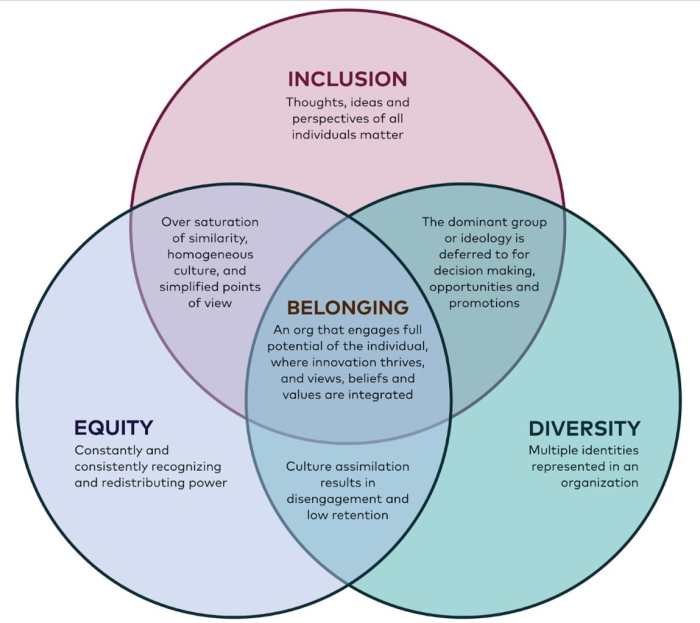
When implementing diversity and inclusion initiatives in the workplace, organizations often face various challenges that can hinder progress. It is crucial to identify these challenges and develop strategies to overcome them in order to create a truly inclusive environment.
In the aftermath of the pandemic, the e-commerce industry has experienced significant shifts and trends. Companies are adapting to new consumer behaviors and preferences, such as increased demand for contactless delivery and online shopping. To stay competitive, businesses are investing in technologies like artificial intelligence and virtual reality to enhance the customer experience.
Learn more about the latest trends in e-commerce industry post-pandemic to stay ahead of the curve.
Resistance to Diversity and Inclusion Efforts
One common challenge faced by organizations is resistance to diversity and inclusion efforts. Some employees may feel threatened by the changes or may not fully understand the importance of creating a diverse and inclusive workplace. To overcome this resistance, it is essential to:
- Educate employees about the benefits of diversity and inclusion, such as improved creativity, innovation, and employee engagement.
- Provide training and workshops on unconscious bias to help employees recognize and address their own biases.
- Lead by example by promoting diversity and inclusion at all levels of the organization, starting from the top.
Addressing Communication Barriers
Another challenge in implementing diversity and inclusion initiatives is communication barriers. Miscommunication or lack of communication can lead to misunderstandings and conflicts within the workplace. Strategies to address communication barriers include:
- Encouraging open and transparent communication channels to foster dialogue and understanding among employees.
- Implementing cultural competency training to help employees navigate diverse communication styles and preferences.
- Creating a feedback mechanism where employees can share their thoughts and concerns about diversity and inclusion efforts.
Creating Inclusive Policies and Practices
Organizations may also struggle with creating inclusive policies and practices that support diversity and inclusion. It is important to review existing policies and practices to ensure they are inclusive and equitable for all employees. Successful approaches to addressing this challenge include:
- Conducting a diversity audit to identify gaps in current policies and practices and make necessary changes.
- Establishing diversity and inclusion task forces or committees to oversee the implementation of inclusive policies and practices.
- Regularly monitoring and evaluating the impact of new policies to ensure they are effectively promoting diversity and inclusion.
Measuring Success: Implementing Diversity And Inclusion In The Workplace
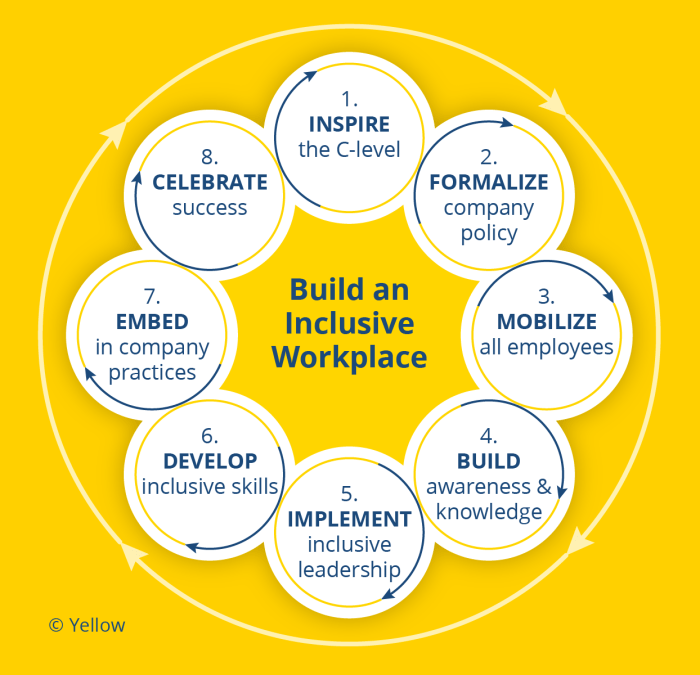
Effective measurement of diversity and inclusion initiatives is crucial for organizations to track progress, identify areas for improvement, and ensure the success of their programs. By defining specific metrics and leveraging data analysis, companies can better understand the impact of their efforts and make informed decisions to drive positive change.
Defining Metrics
- Representation: Tracking the diversity of employees at all levels of the organization, including gender, race, ethnicity, and other demographic factors.
- Employee Engagement: Measuring employee satisfaction, retention rates, and participation in diversity and inclusion activities.
- Inclusive Culture: Assessing the inclusivity of the work environment through surveys, feedback mechanisms, and diversity training participation.
- Leadership Commitment: Evaluating the support and involvement of senior leadership in championing diversity and inclusion initiatives.
Importance of Data Analysis, Implementing diversity and inclusion in the workplace
Data analysis plays a crucial role in tracking progress towards diversity and inclusion goals by providing insights into trends, areas of improvement, and the effectiveness of strategies. By collecting and analyzing data on a regular basis, organizations can identify patterns, measure impact, and make data-driven decisions to drive positive change.
Examples of Success
- Google: The tech giant implemented diversity and inclusion initiatives and regularly analyzes data on representation, employee engagement, and inclusion metrics. As a result, Google has seen improvements in workforce diversity and a more inclusive workplace culture.
- Salesforce: Salesforce conducts regular diversity audits and analyzes data on employee demographics, engagement, and leadership representation. By leveraging data analysis, Salesforce has made significant progress in increasing diversity and fostering an inclusive work environment.
- Accenture: Accenture utilizes data analytics to measure the impact of its diversity and inclusion programs, track progress, and identify areas for improvement. Through data-driven decision-making, Accenture has successfully increased diversity representation and created a more inclusive workplace for its employees.
Last Recap
In conclusion, embracing diversity and inclusion in the workplace is not just a moral imperative but also a strategic advantage. By following the right strategies and measuring success effectively, organizations can create a more equitable and innovative work environment.
Creating a strong brand identity is crucial for businesses looking to stand out in a crowded market. By implementing best practices such as consistent messaging, visual branding, and customer engagement strategies, companies can build a loyal customer base and increase brand recognition.
Discover the key strategies for creating a strong brand identity in the competitive business landscape here.
The supply chain management landscape is evolving rapidly, with innovations such as blockchain technology, predictive analytics, and automation revolutionizing the way businesses operate. These advancements are helping companies streamline operations, reduce costs, and improve efficiency. Stay informed about the latest innovations in supply chain management to optimize your business processes and stay competitive in the market.
