
Incorporating social responsibility into business practices sets the foundation for sustainable and ethical operations, providing a competitive edge in today’s market. This article delves into the strategies, benefits, and challenges of integrating social responsibility into corporate frameworks.
As we explore the various facets of this essential business aspect, readers will gain valuable insights into how organizations can navigate the complexities of social responsibility while fostering positive relationships with stakeholders.
Importance of Social Responsibility

Social responsibility in business practices refers to the ethical framework and obligations that companies have towards society and the environment in which they operate. It involves making decisions that benefit not only the organization but also the community at large. Integrating social responsibility into business strategies has become increasingly important in today’s corporate landscape.
Examples of Companies Incorporating Social Responsibility
- Patagonia: Known for its commitment to environmental sustainability, Patagonia has implemented various initiatives to reduce its carbon footprint and promote fair labor practices.
- TOMS Shoes: With its “One for One” business model, TOMS donates a pair of shoes to a child in need for every pair purchased, exemplifying social responsibility through philanthropy.
- Unilever: Unilever has made significant strides in sustainability by setting ambitious goals to reduce its environmental impact and improve the livelihoods of people across its value chain.
Benefits of Integrating Social Responsibility
- Enhanced Reputation: Companies that prioritize social responsibility often enjoy a positive reputation among consumers, leading to increased brand loyalty and trust.
- Employee Engagement: Employees are more likely to feel motivated and engaged when working for a socially responsible organization, resulting in higher productivity and retention rates.
- Risk Mitigation: By addressing social and environmental issues proactively, companies can mitigate risks related to regulatory compliance, reputation damage, and stakeholder backlash.
- Competitive Advantage: Socially responsible practices can differentiate a company from its competitors, attracting socially conscious consumers and investors who prioritize sustainability and ethical business practices.
Strategies for Implementing Social Responsibility
Implementing social responsibility into business practices requires a strategic approach that aligns with the values of the organization and is driven by leadership commitment. By integrating social responsibility initiatives, businesses can contribute positively to society while also enhancing their reputation and long-term sustainability.
Incorporating Social Responsibility Approaches
- Corporate Social Responsibility (CSR): Many businesses adopt CSR programs that focus on philanthropic activities, environmental sustainability, and ethical business practices. These initiatives demonstrate a commitment to social responsibility and can have a significant impact on communities and the environment.
- Creating Shared Value (CSV): This approach involves integrating social and environmental concerns into core business strategies to create value for both the company and society. By addressing societal needs through innovative products or services, businesses can generate profits while making a positive impact.
- Stakeholder Engagement: Engaging with stakeholders such as employees, customers, suppliers, and local communities is essential for implementing social responsibility effectively. By soliciting feedback and involving stakeholders in decision-making processes, businesses can ensure that their initiatives are aligned with the needs and expectations of the broader community.
Aligning Values with Social Responsibility Initiatives
- Define Core Values: Businesses need to clearly define their organizational values and principles to ensure that social responsibility initiatives are aligned with their overall mission and vision. By integrating social responsibility into the company’s values, employees are more likely to embrace these initiatives and contribute to their success.
- Collaborate with Stakeholders: Collaboration with stakeholders is key to ensuring that social responsibility initiatives are relevant and impactful. By working closely with external partners, businesses can leverage their expertise and resources to address social and environmental challenges effectively.
- Measure Impact: Establishing key performance indicators (KPIs) and metrics to measure the impact of social responsibility initiatives is crucial for tracking progress and demonstrating the value of these efforts. By regularly monitoring and evaluating the outcomes of their initiatives, businesses can identify areas for improvement and make data-driven decisions to drive positive change.
Role of Leadership in Driving Social Responsibility
- Setting the Tone: Leadership plays a critical role in setting the tone for social responsibility within an organization. By demonstrating a commitment to ethical business practices and social impact, leaders can inspire employees to embrace these values and integrate them into their daily work.
- Providing Resources: Leaders need to allocate resources, including funding, time, and expertise, to support social responsibility initiatives. By investing in these initiatives, businesses can demonstrate their commitment to creating a positive impact and foster a culture of corporate citizenship.
- Fostering Accountability: Leaders should hold themselves and their teams accountable for upholding social responsibility standards and driving meaningful change. By establishing clear expectations and promoting transparency, leaders can ensure that social responsibility remains a top priority within the organization.
Stakeholder Engagement
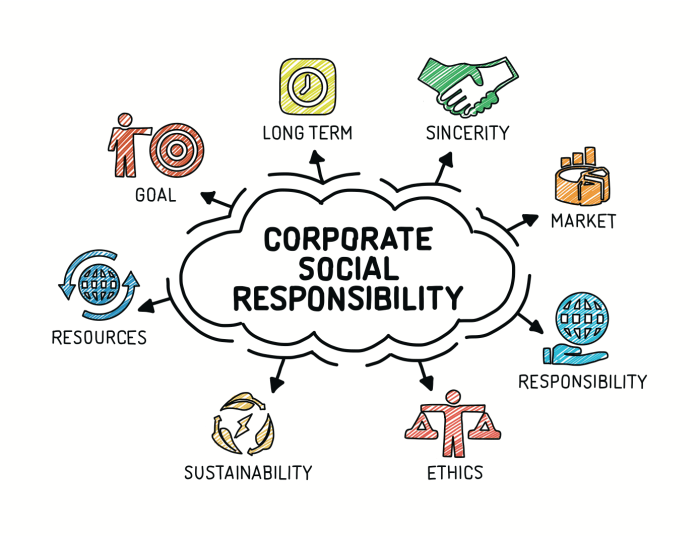
Engaging with various stakeholders is crucial when implementing social responsibility initiatives as it allows companies to understand the diverse needs and expectations of different groups affected by their operations. By involving stakeholders such as employees, customers, and communities, businesses can build trust, foster collaboration, and create a positive impact on society.
Importance of Employee Engagement
Employee engagement is vital for the success of social responsibility efforts as employees are a key internal stakeholder group. Companies can involve employees in social responsibility initiatives by providing opportunities for volunteer work, organizing sustainability training programs, and encouraging feedback on corporate social responsibility policies. Engaged employees are more likely to support and participate in these initiatives, leading to increased morale, productivity, and loyalty.
Involving Customers in Social Responsibility, Incorporating social responsibility into business practices
Companies can engage customers in their social responsibility efforts by promoting sustainable products and practices, offering donation matching programs, and communicating transparently about their corporate social responsibility initiatives. By involving customers, businesses can enhance their brand reputation, attract socially conscious consumers, and drive positive change in the market.
Community Engagement for Social Responsibility
Engaging with local communities is essential for businesses to understand the social and environmental impact of their operations. Companies can involve communities in social responsibility initiatives by supporting local charities, participating in community development projects, and prioritizing the well-being of residents in their business decisions. Community engagement not only strengthens relationships with local stakeholders but also contributes to the long-term sustainability of the business.
Impact of Stakeholder Engagement
The active engagement of stakeholders in social responsibility initiatives can lead to improved business performance, enhanced reputation, and increased stakeholder trust. By involving employees, customers, and communities in their social responsibility efforts, companies can create shared value, drive innovation, and address social and environmental challenges effectively. Stakeholder engagement is crucial for the overall success of social responsibility initiatives as it ensures alignment with stakeholder expectations and fosters sustainable business practices.
Measuring Social Impact
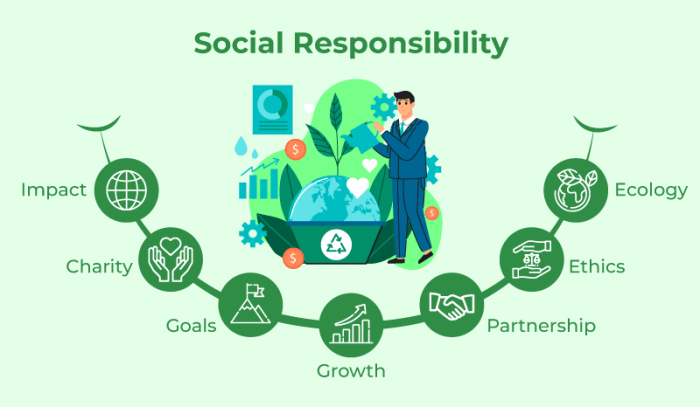
Measuring the social impact of business practices is essential for organizations committed to social responsibility. It allows companies to track their progress, identify areas for improvement, and communicate their efforts effectively to stakeholders.
Key Metrics and Tools for Measuring Social Impact
- Number of beneficiaries reached: This metric quantifies the direct impact of a company’s initiatives on individuals or communities.
- Social return on investment (SROI): SROI is a tool used to measure the social, environmental, and economic benefits generated by a specific investment or project.
- Environmental impact assessments: These assessments help businesses understand the environmental consequences of their activities and measure their efforts to reduce carbon footprint and preserve natural resources.
- Employee engagement surveys: By measuring employee satisfaction, retention rates, and commitment to social responsibility, companies can gauge the internal impact of their initiatives.
Challenges Associated with Quantifying Social Impact
- Complexity of social issues: Social impact is often multifaceted and interconnected, making it challenging to isolate the effects of a specific initiative.
- Lack of standardized metrics: The absence of universally accepted metrics for measuring social impact makes it difficult to compare results across different organizations and sectors.
- Data collection and analysis: Gathering accurate data and analyzing it effectively can be resource-intensive and time-consuming for companies, especially smaller ones with limited capacity.
Best Practices for Evaluating and Reporting on Social Responsibility Efforts
- Set clear goals and objectives: Define measurable targets and indicators to assess the impact of social responsibility initiatives.
- Engage stakeholders: Involve key stakeholders in the evaluation process to gather diverse perspectives and ensure transparency.
- Utilize technology: Leverage data analytics tools and software to streamline data collection, analysis, and reporting processes.
- Communicate impact effectively: Use storytelling, visuals, and quantitative data to communicate the social impact of business practices in a compelling and accessible manner.
Conclusive Thoughts: Incorporating Social Responsibility Into Business Practices

As businesses continue to adapt to evolving societal expectations, the integration of social responsibility into their operations becomes increasingly crucial. By prioritizing ethical practices and stakeholder engagement, companies can not only enhance their reputation but also contribute to meaningful social impact.
When it comes to business strategies for small startups, it is essential to focus on cost-effective marketing techniques and efficient resource management. Utilizing digital platforms and networking opportunities can also significantly impact growth and visibility in the market. For more insights on this topic, you can explore Business strategies for small startups.
Improving employee productivity in innovative ways is crucial for the overall success of a business. Implementing flexible work arrangements, providing continuous training, and encouraging a positive work environment are some effective strategies. To learn more about enhancing employee productivity, check out Innovative ways to improve employee productivity.
Successful negotiation skills are essential in the world of business. Developing effective communication techniques, understanding the needs of both parties, and building strong relationships can lead to successful outcomes. To delve deeper into this topic, you can refer to Successful negotiation skills in business.
