
Delving into Utilizing influence marketing to reach target audiences, this introduction immerses readers in a unique and compelling narrative, with research style that is both engaging and thought-provoking from the very first sentence.
In today’s digital landscape, reaching target audiences has become increasingly challenging. However, by harnessing the power of influencer marketing, businesses can strategically connect with their desired demographic in a more authentic and impactful way. This approach involves collaborating with individuals who have a strong influence over potential customers, leveraging their credibility and reach to promote products or services. By understanding the nuances of influence marketing, brands can effectively navigate the competitive market and establish meaningful connections with their target audiences.






Importance of Influencer Marketing: Utilizing Influence Marketing To Reach Target Audiences
Influencer marketing has become a crucial strategy for brands to connect with their target audiences in a more authentic and engaging way. By leveraging the influence of individuals with a strong following and credibility in a particular niche, brands can effectively reach and engage with their target customers.
Concept of Influencer Marketing
Influencer marketing involves collaborating with individuals who have a significant following on social media platforms, blogs, or other online channels to promote a brand’s products or services. These influencers are seen as experts or trendsetters in their respective fields, making their recommendations and endorsements highly influential among their followers.
Significance in Reaching Target Audiences, Utilizing influence marketing to reach target audiences
- 1. Trust and Credibility: Influencers have built a loyal and engaged audience who trust their opinions and recommendations. By partnering with influencers, brands can tap into this trust and credibility to reach their target audiences more effectively.
- 2. Authenticity and Relatability: Influencers often create content that resonates with their followers on a personal level. This authenticity and relatability make influencer marketing campaigns more engaging and impactful compared to traditional advertising.
- 3. Targeted Reach: Influencers have the ability to reach specific demographics and niche markets that align with a brand’s target audience. This targeted approach ensures that the brand’s message is reaching the right people.
- 4. Increased Engagement: Influencer marketing campaigns often result in higher levels of engagement, including likes, comments, and shares. This engagement not only boosts brand awareness but also drives conversions and sales.
Examples of Successful Influencer Marketing Campaigns
Some notable examples of successful influencer marketing campaigns include:
“Daniel Wellington’s collaboration with various fashion influencers, which significantly boosted the brand’s visibility and sales.”
“Sephora’s partnership with beauty influencers to promote new product launches, resulting in a surge in online and in-store traffic.”
Difference from Traditional Marketing Strategies
Influencer marketing differs from traditional marketing strategies in several ways, including:
- 1. Personalized Approach: Influencer marketing focuses on building personal connections with audiences through authentic content, whereas traditional marketing tends to be more generic and one-sided.
- 2. Targeted Reach: Influencer marketing allows brands to target specific demographics and niche markets with the help of influencers who have a relevant following, unlike traditional mass marketing approaches.
- 3. Trust and Credibility: Influencer marketing leverages the trust and credibility that influencers have established with their followers, leading to more effective brand endorsements compared to traditional advertising.
Identifying the Right Influencers
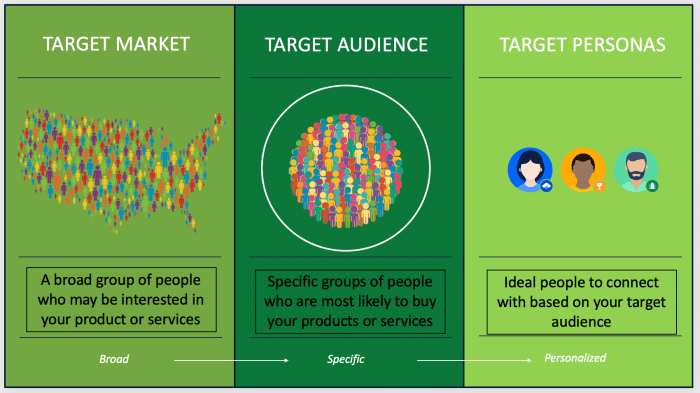
In the world of influencer marketing, choosing the right influencers to collaborate with is crucial for the success of a campaign. Identifying influencers who align with the brand’s values and target audience can help maximize reach, engagement, and ultimately, conversions.
Methods for Identifying Influencers
- Utilize influencer marketing platforms: Platforms like Social Blade, Upfluence, and AspireIQ can help brands identify influencers based on their reach, engagement rates, and audience demographics.
- Monitor social media channels: Keep an eye on popular social media platforms like Instagram, YouTube, and TikTok to identify influencers who are already engaging with your target audience.
- Collaborate with influencer agencies: Working with influencer marketing agencies can provide access to a network of influencers and help match brands with the most suitable ones.
Importance of Engagement Rates, Authenticity, and Relevance
- Engagement Rates: It’s essential to consider an influencer’s engagement rates (likes, comments, shares) to ensure that their audience is actively interacting with their content.
- Authenticity: Authenticity is key in influencer marketing. Choose influencers who genuinely resonate with your brand and can authentically promote your products or services.
- Relevance: Select influencers whose content aligns with your brand’s values, industry, and target audience to ensure a seamless partnership.
Tips for Conducting Thorough Research
- Review past collaborations: Look into an influencer’s previous brand partnerships to gauge their success and alignment with your brand.
- Engage with their content: Follow potential influencers on social media, engage with their posts, and assess the quality of their content and interactions with followers.
- Analyze audience demographics: Use insights provided by influencers or social media analytics tools to understand their audience demographics and ensure they match your target audience.
Creating Effective Influencer Campaigns
Influencer campaigns play a crucial role in engaging target audiences and driving brand awareness. Designing and executing a successful influencer marketing campaign requires careful planning and collaboration with the right influencers. Let’s delve into the key steps involved in creating effective influencer campaigns.
Setting Clear Goals and Objectives
When embarking on an influencer campaign, it is essential to establish clear goals and objectives to guide the direction of the campaign. These goals can vary from increasing brand visibility, driving website traffic, boosting sales, or enhancing brand perception. By defining specific and measurable objectives, brands can track the success of their campaign and make data-driven decisions for future strategies.
- Define your target audience: Identify the demographics, interests, and behaviors of your target audience to ensure that the influencer’s content resonates with them.
- Set SMART goals: Make sure your goals are Specific, Measurable, Achievable, Relevant, and Time-bound to provide a clear roadmap for the campaign.
- Establish key performance indicators (KPIs): Determine the metrics you will use to measure the success of your campaign, such as engagement rates, click-through rates, or conversion rates.
Developing Authentic and Engaging Content
Collaborating with influencers to create authentic and engaging content is crucial for the success of an influencer campaign. Authenticity is key to building trust with the audience and driving meaningful connections with the brand. Here are some strategies for developing compelling content in partnership with influencers:
- Align content with brand values: Ensure that the influencer’s content aligns with your brand’s values, messaging, and tone to maintain consistency and authenticity.
- Encourage creativity: Empower influencers to bring their unique voice and creativity to the content creation process to make it more engaging and relatable to their followers.
- Provide creative freedom: Give influencers the freedom to develop content in their own style while staying true to the campaign objectives and brand guidelines.
- Leverage different formats: Experiment with various content formats such as images, videos, stories, or live streams to keep the audience engaged and interested.
Measuring Influencer Marketing ROI

Influencer marketing can be a powerful tool for reaching target audiences, but it is essential to measure the return on investment to ensure the effectiveness of campaigns. Tracking and analyzing the ROI of influencer marketing initiatives is crucial in determining the success and impact of collaborations with influencers.
Key Performance Indicators (KPIs) for Evaluating Influencer Campaigns
- Engagement Metrics: Monitoring likes, comments, shares, and overall engagement on influencer content can provide insights into audience interest and interaction.
- Reach and Impressions: Evaluating the reach and impressions generated by influencer posts can help assess the visibility of the brand or product among the target audience.
- Conversion Rate: Measuring the conversion rate of influencer-driven campaigns, such as click-through rates or sales attributed to influencer content, can indicate the impact on driving actual sales.
- Brand Sentiment Analysis: Analyzing the sentiment surrounding the brand or product in response to influencer collaborations can help gauge audience perception and brand affinity.
Tools and Techniques for Analyzing Influencer Marketing ROI
- Influencer Marketing Platforms: Utilizing platforms that offer tracking and analytics tools can help monitor campaign performance, track KPIs, and measure ROI effectively.
- UTM Parameters: Implementing UTM parameters in influencer campaign URLs can help track traffic sources, conversions, and other key metrics in Google Analytics or other tracking tools.
- A/B Testing: Conducting A/B testing with different influencer strategies or content formats can help identify the most effective approaches and optimize ROI.
- Social Listening Tools: Using social listening tools to monitor conversations, mentions, and sentiment related to influencer campaigns can provide valuable insights for measuring impact and ROI.
Ending Remarks

In conclusion, Utilizing influence marketing to reach target audiences offers a dynamic and innovative strategy for brands to engage with consumers in a cluttered digital space. By aligning with the right influencers, setting clear objectives, and measuring ROI effectively, businesses can create impactful campaigns that resonate with their target demographics. As the marketing landscape continues to evolve, leveraging influencer partnerships can provide a competitive edge and drive sustainable growth for brands looking to enhance their online presence.
Utilizing data analytics for strategic decision-making is crucial in today’s competitive business environment. By leveraging data analytics tools and techniques, companies can gain valuable insights into market trends, customer behavior, and operational efficiency. This information enables organizations to make informed decisions that drive growth and profitability.
To learn more about how data analytics can transform your strategic decision-making process, visit Utilizing data analytics for strategic decision-making.
Effective project management is essential for the success of any business endeavor. By implementing proven strategies and best practices, project managers can ensure that tasks are completed on time, within budget, and to the satisfaction of stakeholders. Whether you are managing a small-scale project or a large-scale initiative, having a solid project management plan in place is key to achieving your goals.
To explore strategies for successful project management, check out Strategies for successful project management.
Implementing diversity and inclusion in the workplace is not only the right thing to do, but it also has a positive impact on business performance. Companies that embrace diversity and create an inclusive work environment are more likely to attract top talent, foster innovation, and improve employee morale.
By implementing policies and practices that promote diversity and inclusion, organizations can create a more equitable and productive workplace. To learn more about how to implement diversity and inclusion in your workplace, visit Implementing diversity and inclusion in the workplace.
