
Business strategies for small startups takes center stage as we delve into the importance of strategic planning. Explore the world of successful startups and discover how effective strategies can pave the way for growth and sustainability.
Importance of Business Strategies for Small Startups
In the highly competitive business landscape, having well-thought-out business strategies is crucial for the success and sustainability of small startups. These strategies serve as a roadmap to guide the company towards its goals, help in making informed decisions, and differentiate the startup from its competitors.






Examples of Successful Small Startups
- One example of a successful small startup that attributed its success to effective business strategies is Airbnb. By focusing on the sharing economy and leveraging technology to connect travelers with unique accommodation options, Airbnb disrupted the traditional hospitality industry and quickly gained a competitive edge.
- Another example is Warby Parker, an eyewear company that revolutionized the eyewear industry by offering stylish and affordable glasses online. Their direct-to-consumer model and commitment to social responsibility through their “Buy a Pair, Give a Pair” program helped them stand out in the market.
Impact of Poor Business Strategies on Small Startups
Poor business strategies can have detrimental effects on the sustainability and growth of small startups. Without a clear direction and effective planning, startups may struggle to attract customers, secure funding, or differentiate themselves in the market. This can lead to financial difficulties, operational challenges, and ultimately, failure.
Types of Business Strategies for Small Startups

For small startups, choosing the right business strategy is crucial for long-term success and growth. Here are some common types of business strategies that small startups can consider:
Cost Leadership Strategy
A cost leadership strategy involves offering products or services at a lower cost than competitors. This can help small startups attract price-sensitive customers and gain a competitive advantage in the market. By focusing on cost reduction and efficiency, small startups can maximize their profitability.
Differentiation Strategy
A differentiation strategy involves offering unique products or services that set the startup apart from competitors. Small startups can focus on product innovation, quality, or customer service to create a strong brand identity and attract loyal customers. While this strategy can help justify higher prices, it may also require significant investment in research and development.
Niche Focus Strategy
A niche focus strategy involves targeting a specific market segment with specialized products or services. Small startups can carve out a niche for themselves by catering to the needs of a particular group of customers. This strategy allows startups to build expertise in a specific area and establish a strong reputation within their target market.
Combining Multiple Strategies
Small startups can also benefit from combining multiple business strategies to create a unique value proposition. For example, a startup can focus on cost leadership in operations while differentiating its products through innovative features. By leveraging different strategies effectively, small startups can achieve a competitive edge in the market and sustain long-term growth.
Developing a Business Strategy
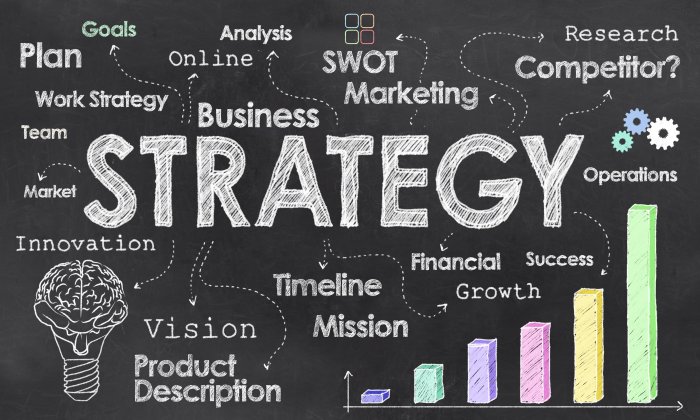
Developing a business strategy is crucial for the success of small startups. It involves a systematic approach to defining the company’s direction and making decisions on allocating resources to pursue this direction. Here are the steps involved in developing a business strategy tailored to the needs of a small startup:
Conduct Market Research
Market research is essential for understanding the industry landscape, target market, and competitors. Here are some tips on conducting market research to inform the development of a business strategy:
- Identify target market segments and their needs.
- Analyze competitors to identify strengths, weaknesses, opportunities, and threats.
- Assess market trends and potential opportunities for growth.
- Gather data through surveys, interviews, and secondary sources.
Align Strategy with Vision and Goals
To ensure the business strategy is effective, small startups need to align it with their vision and goals. This involves:
- Defining the company’s mission, vision, and core values.
- Setting specific, measurable, achievable, relevant, and time-bound (SMART) goals.
- Evaluating how the proposed strategy supports the vision and goals.
- Making adjustments to the strategy to ensure alignment with the overall direction of the company.
Implementing Business Strategies
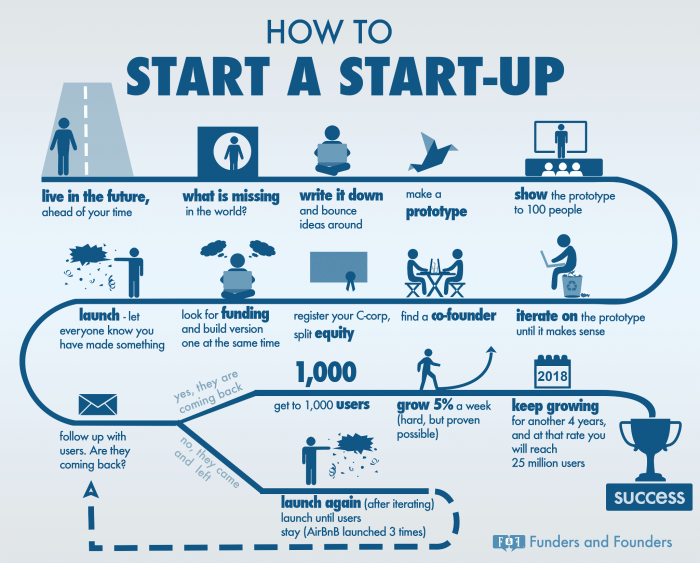
Implementing business strategies for small startups is a crucial step towards achieving success and growth. It involves putting the planned strategies into action and monitoring their effectiveness. In this phase, small startups need to consider various key factors to ensure the successful implementation of their business strategies.
The Importance of Flexibility and Adaptability
Flexibility and adaptability are essential when implementing business strategies for small startups. These qualities allow startups to respond to changes in the market, customer preferences, and other external factors. By being flexible and adaptable, startups can adjust their strategies as needed to stay competitive and relevant in the ever-evolving business landscape.
- Flexibility allows startups to pivot quickly in response to unforeseen challenges or opportunities.
- Adaptability enables startups to make necessary changes to their strategies based on feedback and data analysis.
- Being open to change and willing to experiment can lead to innovation and differentiation in the market.
Examples of Successful Implementation of Business Strategies
Small startups across various industries have demonstrated successful implementation of business strategies, leading to growth and sustainability. Some notable examples include:
“Airbnb’s strategic shift from simply offering air mattresses to becoming a global leader in the hospitality industry through their innovative sharing economy platform.”
“Dollar Shave Club’s disruptive business model that challenged traditional razor companies by offering affordable subscription-based services, leading to a successful acquisition by Unilever.”
“Warby Parker’s direct-to-consumer approach in the eyewear industry, focusing on affordable, stylish glasses and leveraging social responsibility initiatives for brand loyalty and growth.”
These examples highlight the importance of strategic implementation in the success of small startups and emphasize the role of flexibility and adaptability in navigating challenges and seizing opportunities in the business environment.
Monitoring and Evaluating Business Strategies
Monitoring and evaluating business strategies is crucial for small startups as it allows them to track the effectiveness of their plans and make necessary adjustments to ensure growth and success in the competitive market.
Significance of Monitoring and Evaluating Business Strategies
Regular monitoring and evaluation help small startups in identifying what is working well and what needs improvement in their business strategies. It allows them to make informed decisions based on real-time data and feedback, leading to faster adaptation to market changes and customer needs.
Metrics and Key Performance Indicators (KPIs), Business strategies for small startups
Small startups can utilize various metrics and key performance indicators (KPIs) to measure the success of their business strategies. Some common KPIs include:
- Sales revenue
- Customer acquisition cost
- Customer retention rate
- Profit margins
- Website traffic and conversion rates
Adjusting Strategies based on Monitoring and Evaluation Results
By analyzing the monitoring and evaluation results, small startups can identify areas of improvement and make necessary adjustments to their business strategies. This could involve changing marketing tactics, refining product offerings, or optimizing operational processes to align with the company’s goals and objectives. Continuous monitoring and evaluation ensure that the business stays agile and responsive to market dynamics, fostering innovation and growth.
Final Thoughts: Business Strategies For Small Startups
In conclusion, Business strategies for small startups are vital for navigating the competitive business landscape. By implementing thoughtfully crafted strategies, startups can position themselves for long-term success and growth.