Legal requirements for starting a new business sets the foundation for a successful venture, encompassing various crucial aspects that entrepreneurs need to consider. From legal structures to tax obligations, this exploration delves into the key elements that shape the business landscape.
Embark on a journey through the intricacies of business regulations and discover the roadmap to compliance and success in the entrepreneurial realm.






Legal Structures for Business: Legal Requirements For Starting A New Business
When starting a new business, choosing the right legal structure is crucial as it impacts various aspects of the business, including taxation, liability, and management. There are several legal structures available for entrepreneurs to consider, each with its own advantages and disadvantages.
Sole Proprietorship
A sole proprietorship is the simplest form of business structure, where the business is owned and operated by a single individual. One of the main advantages of a sole proprietorship is that it is easy and inexpensive to set up. The owner has complete control over the business and receives all profits. However, a major disadvantage is that the owner is personally liable for any debts or legal actions against the business. Sole proprietorships are best suited for small businesses with low risk and minimal regulatory requirements.
Partnership
A partnership involves two or more individuals sharing ownership of a business. There are two main types of partnerships: general partnerships and limited partnerships. In a general partnership, all partners share equally in the profits and losses and are personally liable for the business’s debts. In a limited partnership, there are both general partners (with unlimited liability) and limited partners (with limited liability). Partnerships are beneficial for businesses where multiple individuals want to share ownership and responsibilities.
Corporation
A corporation is a separate legal entity from its owners, known as shareholders. One of the main advantages of a corporation is limited liability, meaning that shareholders are not personally liable for the company’s debts. Corporations also have the ability to raise capital by issuing stocks. However, corporations are subject to double taxation, where the company’s profits are taxed at the corporate level, and dividends distributed to shareholders are taxed again. Corporations are ideal for businesses looking to raise capital, expand, or have complex ownership structures.
Business Registration Process
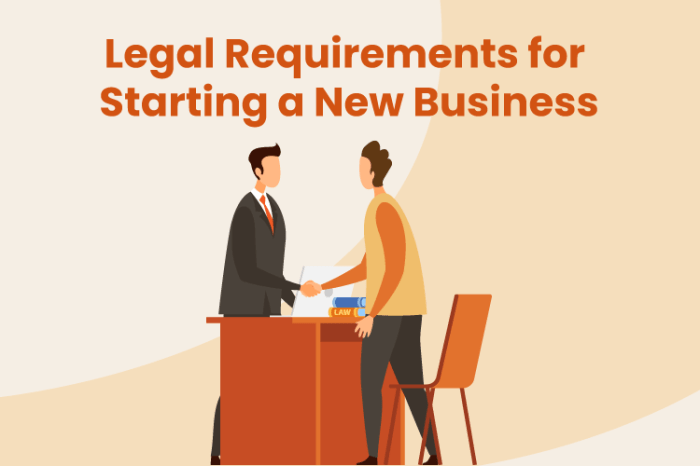
When starting a new business, one of the crucial steps is to register it legally to ensure compliance with the law and establish the business as a separate entity. The registration process may vary depending on the location and type of business, but there are general steps that need to be followed.
Steps to Register a Business:
- Choose a Business Structure: Decide on the legal structure of your business, such as sole proprietorship, partnership, corporation, or limited liability company (LLC).
- Choose a Business Name: Select a unique and appropriate name for your business that complies with the naming regulations.
- Register with the Government: File the necessary paperwork with the appropriate government agency to officially register your business.
- Obtain Permits and Licenses: Acquire any required permits and licenses to operate your business legally.
- Register for Taxes: Obtain an Employer Identification Number (EIN) from the IRS and register for state and local taxes.
Documents Needed for Registration:
- Business Plan: A detailed plan outlining the goals and objectives of the business.
- Articles of Incorporation or Organization: Legal documents that establish the business as a separate entity.
- Business License: Permit issued by the government to operate a business in a specific location.
- Tax Identification Number: EIN obtained from the IRS for tax purposes.
- Ownership Agreements: Contracts outlining the ownership structure of the business for partnerships or LLCs.
Implications of Not Registering a Business Properly:
- Legal Consequences: Operating an unregistered business can lead to fines, penalties, or legal action.
- Lack of Credibility: Unregistered businesses may face challenges in building trust with customers, suppliers, and partners.
- No Protection: Without proper registration, the business owner’s personal assets may be at risk in case of liabilities or lawsuits.
Licenses and Permits
Starting a new business often requires obtaining various licenses and permits to operate legally. These permits are necessary to ensure that the business complies with regulations and operates safely within the industry. Below are some common licenses and permits required for starting a new business:
General Business License, Legal requirements for starting a new business
– A general business license is typically required by most businesses to operate legally within a specific city or county. This license ensures that the business meets local regulations and zoning requirements.
Professional Licenses
– Certain industries such as healthcare, legal services, and real estate require professional licenses to practice. These licenses are obtained through specific regulatory bodies and often involve meeting educational and experience requirements.
Health Department Permit
– Businesses in the food and beverage industry, such as restaurants and food trucks, need health department permits to ensure that food safety standards are met. These permits involve inspections of the premises and food handling practices.
Building Permit
– Construction-related businesses or those involved in remodeling or renovations may need building permits to ensure that the work meets building codes and regulations. These permits are essential for safety and compliance with local laws.
Specialized Industry Licenses
– Some industries require specialized licenses based on the nature of the business. For example, liquor licenses for bars and restaurants, firearms licenses for gun shops, and childcare licenses for daycare centers. These licenses are necessary to ensure the business operates within the legal framework of the industry.
Obtaining these licenses and permits typically involves submitting an application to the relevant regulatory bodies, providing necessary documentation, and paying applicable fees. The process may vary depending on the type of license and the industry in which the business operates. It is essential for business owners to research and understand the specific requirements for their industry to ensure compliance and avoid potential legal issues.
Tax Obligations
Starting a new business comes with various tax obligations that must be fulfilled to ensure compliance with the law. Understanding these obligations is crucial for the financial health and sustainability of the business.
Impact of Legal Structures on Tax Liabilities
Different legal structures for businesses, such as sole proprietorships, partnerships, corporations, and limited liability companies, can have a significant impact on tax liabilities. For example, sole proprietorships and partnerships are pass-through entities, where the business owners report their share of profits and losses on their personal tax returns. On the other hand, corporations are taxed separately from their owners, leading to potential double taxation. Limited liability companies offer a flexible tax structure that allows owners to choose how they want to be taxed.
Tips for Staying Compliant with Tax Laws
- Keep detailed records: Maintain accurate financial records, including income, expenses, and deductions, to support your tax filings.
- Understand deadlines: Stay informed about tax deadlines and make sure to file and pay taxes on time to avoid penalties.
- Seek professional help: Consider hiring a tax professional or accountant to help navigate the complexities of business taxes and ensure compliance.
- Stay updated: Stay informed about changes in tax laws and regulations that may affect your business, and adjust your tax strategy accordingly.
- Utilize deductions and credits: Take advantage of tax deductions and credits available to businesses to reduce tax liabilities legally.
Summary
In conclusion, understanding and adhering to the legal requirements for starting a new business is paramount for long-term sustainability and growth. By navigating the complexities of business regulations with diligence and foresight, entrepreneurs can pave the way for a thriving enterprise.