The impact of social media on business growth sets the stage for a transformative journey where businesses harness the power of digital platforms to thrive and excel in a competitive landscape. Explore how social media revolutionizes business operations and fuels remarkable growth stories.
Impact of Social Media on Business Growth
Social media has revolutionized the way businesses operate in today’s digital age. It has become an essential tool for companies to connect with their target audience, build brand awareness, and drive growth. With the rise of platforms like Facebook, Instagram, Twitter, and LinkedIn, businesses now have the opportunity to reach a global audience in real-time.





Transformation of Business Operations
- Social media allows businesses to engage directly with customers, receive instant feedback, and address concerns promptly.
- Companies can use social media to promote products/services, run targeted advertising campaigns, and drive traffic to their websites.
- Businesses can leverage social media for market research, competitor analysis, and trend monitoring to stay ahead of the curve.
Examples of Business Growth
- One prime example of a business experiencing significant growth due to social media is Glossier, a beauty brand that built a cult following through Instagram marketing.
- Another notable example is Airbnb, which utilized social media to create a community of travelers and hosts, leading to exponential growth and brand loyalty.
- Fashion retailer Fashion Nova saw explosive growth by leveraging influencer partnerships on platforms like Instagram to reach a wider audience.
Expanding Reach and Increasing Brand Awareness
- Social media platforms provide businesses with the ability to reach a larger audience, including global markets, without the constraints of traditional marketing channels.
- By creating engaging content and fostering community interactions, businesses can increase brand awareness and establish a strong online presence.
- Through social media analytics, companies can track performance metrics, understand customer behavior, and optimize their marketing strategies for better reach and engagement.
Building Brand Identity and Reputation
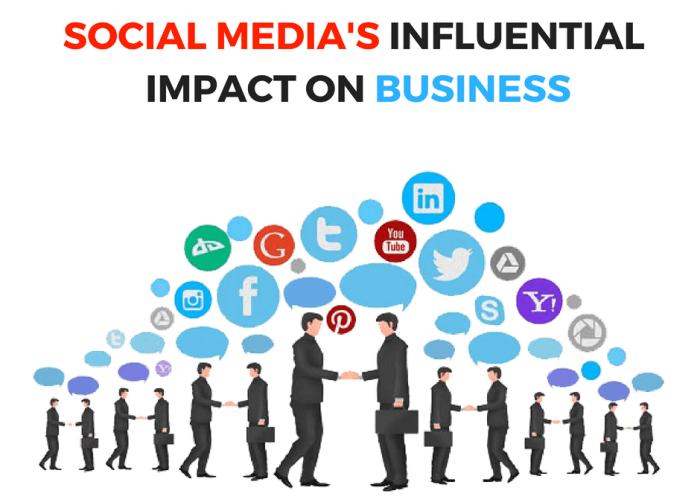
Building a strong brand identity and maintaining a positive reputation are crucial for businesses looking to succeed in today’s competitive market. Social media platforms provide a powerful tool for businesses to achieve these goals by reaching a wider audience and engaging with customers in real-time.
Utilizing Social Media for Brand Identity
- Businesses use social media to showcase their unique brand voice, values, and personality through consistent messaging and visuals.
- By creating compelling content such as posts, videos, and stories, businesses can effectively communicate their brand story and connect with their target audience.
- Engaging with followers through comments, direct messages, and live interactions helps humanize the brand and build a loyal community of customers.
Strategies for Maintaining Positive Reputation
- Responding promptly to customer feedback, both positive and negative, shows transparency and a commitment to customer satisfaction.
- Monitoring mentions and reviews on social media platforms allows businesses to address any issues or concerns before they escalate.
- Providing valuable and helpful content to followers establishes the business as a trusted source of information in their industry.
Establishing Trust and Credibility with Customers
- By consistently delivering on promises and providing high-quality products or services, businesses can earn the trust of their customers.
- Sharing customer testimonials, case studies, and success stories on social media helps build credibility and showcase the positive experiences of past clients.
- Interacting authentically with customers, addressing their needs and concerns, and showing empathy can go a long way in establishing trust and loyalty.
Customer Engagement and Interaction
Customer engagement and interaction on social media platforms play a crucial role in driving business growth. It allows businesses to connect with their audience on a more personal level, build relationships, and create a loyal customer base. By actively engaging with customers, businesses can better understand their needs and preferences, leading to improved products and services.
Importance of Customer Engagement
- Enhances brand loyalty: Regular interaction with customers fosters trust and loyalty, leading to repeat business and referrals.
- Increases customer satisfaction: Addressing customer queries and concerns promptly shows a commitment to customer service, enhancing satisfaction levels.
- Drives brand advocacy: Satisfied customers are more likely to share their positive experiences with their social networks, amplifying brand reach and visibility.
Successful Customer Interaction Strategies
- Personalized responses: Tailoring responses to individual customers adds a personal touch and shows genuine interest in their needs.
- Interactive content: Polls, quizzes, and contests encourage active participation and create a fun and engaging experience for customers.
- Timely responses: Promptly addressing customer queries and feedback demonstrates attentiveness and a commitment to customer satisfaction.
Utilizing Social Media for Feedback and Improvement
- Surveys and polls: Businesses can use social media platforms to conduct surveys and polls to gather feedback on products, services, and customer experiences.
- Monitoring comments and reviews: Keeping track of customer comments and reviews allows businesses to identify areas for improvement and address any issues promptly.
- Engaging in conversations: Actively participating in conversations with customers helps businesses understand their preferences and concerns, leading to continuous improvement.
Lead Generation and Conversion: The Impact Of Social Media On Business Growth
Social media plays a crucial role in generating leads for businesses by providing a platform for reaching a wide audience and engaging with potential customers. It allows businesses to create targeted campaigns, share valuable content, and interact with users to drive interest in products or services.
The Role of Social Media in Lead Generation, The impact of social media on business growth
- Social media platforms enable businesses to reach a large audience and create brand awareness.
- Engaging content such as posts, videos, and ads can capture the attention of users and generate interest in products or services.
- Interaction with followers through comments, messages, and live chats can help in qualifying leads and nurturing relationships.
- Analytics tools provided by social media platforms allow businesses to track the performance of their campaigns and optimize lead generation strategies.
Converting Social Media Leads into Customers
- Provide clear calls-to-action (CTAs) in posts and ads to encourage users to take the next step, such as signing up for a newsletter or making a purchase.
- Offer exclusive promotions or discounts to incentivize social media followers to make a purchase.
- Use retargeting strategies to reach users who have shown interest in your products or services but have not converted yet.
- Personalize the customer experience by addressing followers by name and tailoring offers to their preferences and behavior.
Impact of Targeted Advertising on Social Media for Lead Conversion
- Targeted advertising on social media allows businesses to reach specific demographics, interests, and behaviors to generate quality leads.
- By targeting the right audience with relevant ads, businesses can increase the likelihood of conversions and maximize the return on investment.
- Retargeting ads to users who have engaged with previous content or visited the website can help in nurturing leads and guiding them through the conversion funnel.
- Utilizing data-driven insights and analytics to optimize ad performance and conversion rates based on user behavior and feedback.
Analyzing Data and Performance Metrics
In today’s digital age, businesses rely on social media analytics to track their performance and growth. By analyzing data and performance metrics, companies can make informed decisions to optimize their social media strategies for business growth.
Key Metrics for Measuring Social Media Impact
- Engagement Rate: This metric measures how actively involved your audience is with your content. It includes likes, comments, shares, and clicks, indicating the level of interaction and interest in your brand.
- Reach and Impressions: Tracking the number of people who see your content (reach) and how many times it is displayed (impressions) helps gauge the visibility and exposure of your brand on social media platforms.
- Conversion Rate: This metric measures the percentage of users who take a desired action, such as making a purchase or signing up for a newsletter, after interacting with your social media content.
- Referral Traffic: Monitoring the amount of website traffic generated from social media platforms provides insights into the effectiveness of your social media campaigns in driving users to your website.
- Sentiment Analysis: Understanding the sentiment of conversations surrounding your brand on social media helps in measuring brand perception and reputation among users.
Importance of Data-Driven Decisions in Social Media Strategies
Data-driven decisions play a crucial role in optimizing social media strategies for business growth. By analyzing performance metrics, businesses can identify trends, patterns, and areas for improvement. This allows companies to tailor their content, target specific audiences, and allocate resources effectively to achieve their marketing goals. Data-driven insights enable businesses to make informed decisions, measure the impact of their social media efforts, and continuously refine their strategies to drive growth and engagement.
Conclusion
In conclusion, the influence of social media on business growth is undeniable, shaping brand identities, enhancing customer engagement, driving lead generation, and guiding strategic decisions through data analytics. As businesses navigate this dynamic digital terrain, the strategic utilization of social media remains a vital key to unlock unprecedented growth opportunities.
