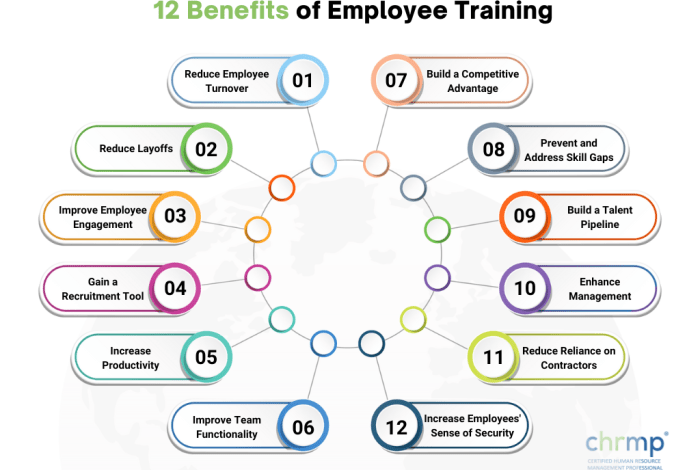
Benefits of investing in employee training programs lie at the core of organizational growth and success, shaping a path for enhanced productivity and employee satisfaction. As companies strive to adapt to the evolving landscape of work, the value of employee training programs becomes increasingly evident.
Exploring the different facets of employee training programs unveils a world of opportunities for both employees and organizations, paving the way for sustainable growth and development.
Importance of Employee Training Programs
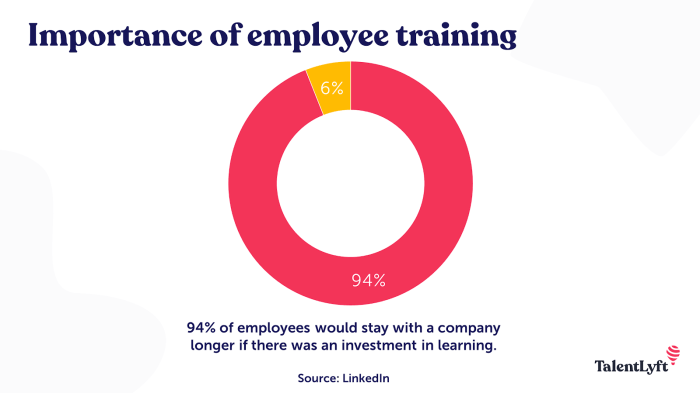
Investing in employee training programs is crucial for organizational success as it helps in enhancing the skills and knowledge of employees, leading to improved job performance and productivity. Well-trained employees are better equipped to handle their roles effectively and efficiently, which ultimately contributes to the overall success of the organization.
Employee Retention and Job Satisfaction
Employee training programs play a significant role in increasing employee retention and job satisfaction. When employees feel that their organization is invested in their development and growth, they are more likely to stay with the company for a longer period. Training programs also provide employees with the opportunity to enhance their skills and advance in their careers, leading to increased job satisfaction and motivation.
Impact on Overall Productivity and Profitability
Well-trained employees have a direct impact on overall productivity and profitability of an organization. When employees are equipped with the necessary skills and knowledge to perform their job effectively, they are able to complete tasks more efficiently and contribute to achieving organizational goals. This, in turn, leads to increased productivity, improved quality of work, and ultimately higher profitability for the organization.
Types of Training Programs

Training programs are essential for the growth and development of employees within an organization. Companies can offer various types of training programs to enhance the skills and knowledge of their workforce. These programs can be categorized into on-the-job training and external training programs, each with its own set of benefits and advantages.
On-the-Job Training
On-the-job training involves learning while performing tasks within the workplace. This type of training allows employees to acquire practical skills and knowledge directly related to their job responsibilities. Some common methods of on-the-job training include job shadowing, mentoring, and coaching. The benefits of on-the-job training include:
- Immediate application of learning in real work scenarios
- Cost-effective as it eliminates the need for external trainers
- Promotes a hands-on learning experience
External Training Programs
External training programs are conducted outside the workplace by professional trainers or training institutions. These programs often focus on specific skills or knowledge areas and may include workshops, seminars, or online courses. The benefits of external training programs include:
- Exposure to new ideas and best practices in the industry
- Networking opportunities with professionals from other organizations
- Access to specialized training content not available internally
Continuous Learning and Upskilling
In today’s fast-changing work environment, continuous learning and upskilling have become crucial for employees to remain competitive and adaptable. Continuous learning involves acquiring new knowledge and skills on an ongoing basis, while upskilling focuses on enhancing existing skills or learning new ones to meet the evolving demands of the job market. The relevance of continuous learning and upskilling lies in:
- Staying abreast of industry trends and technological advancements
- Increasing job satisfaction and employee engagement
- Boosting productivity and performance in the workplace
Employee Development and Growth
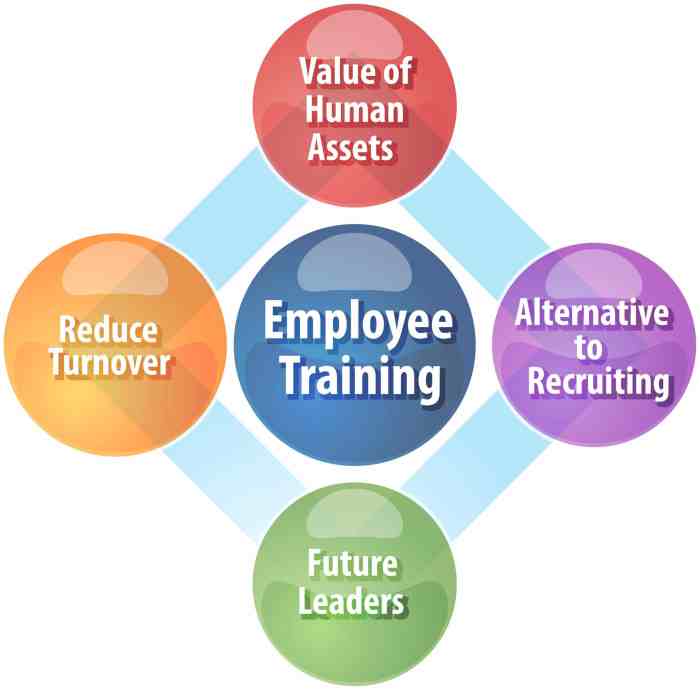
Employee training programs play a crucial role in supporting professional growth and career advancement for employees. These programs provide opportunities for individuals to acquire new skills, enhance their knowledge, and develop their potential, ultimately leading to personal and career growth.
Enhancing Skillsets
Employee training programs help individuals acquire new skills that are relevant to their roles and responsibilities. For example, a sales team member participating in a negotiation skills workshop can learn effective communication techniques and strategies to close deals successfully. By acquiring these new skills, employees become more competent and confident in their roles, paving the way for career advancement opportunities.
- Training programs can include technical skills development, such as learning a new software or mastering a specific tool.
- Soft skills training, like leadership, communication, and problem-solving, can also be valuable for employees looking to advance their careers.
- Certification programs offer employees the chance to gain recognized credentials in their field, enhancing their credibility and marketability.
Long-Term Benefits
Investing in employee development not only benefits individual employees but also the organization as a whole. Employees who undergo training programs are more motivated, engaged, and productive in their roles. As they grow and develop professionally, they contribute more effectively to the success of the organization.
- Employee retention rates improve as individuals feel valued and invested in by their employer, reducing turnover costs for the organization.
- Skilled and knowledgeable employees are better equipped to handle challenges and adapt to changes in the workplace, increasing overall organizational resilience.
- A culture of continuous learning and development fosters innovation and creativity within the organization, driving growth and competitiveness in the market.
Impact on Company Culture: Benefits Of Investing In Employee Training Programs
Training programs play a crucial role in shaping and fostering a culture of learning and development within an organization. By investing in employee training, companies signal to their employees that they are valued and that their growth and development are important aspects of the organization’s success.
Fostering a Culture of Learning, Benefits of investing in employee training programs
Training programs create a culture where employees are encouraged to continuously learn and improve their skills. This leads to a more dynamic and innovative work environment where individuals are motivated to seek out new knowledge and stay abreast of industry trends.
Positive Impact on Employee Morale and Engagement
A strong learning culture positively impacts employee morale and engagement by providing them with opportunities for growth and advancement. Employees who feel supported in their professional development are more likely to be satisfied with their jobs and remain loyal to the company.
Aligning Employees with Company Values and Goals
Training programs help align employees with the company’s values and goals by providing them with the knowledge and skills needed to contribute effectively to the organization’s mission. This alignment fosters a sense of shared purpose and commitment among employees, leading to increased productivity and overall success.
Final Wrap-Up
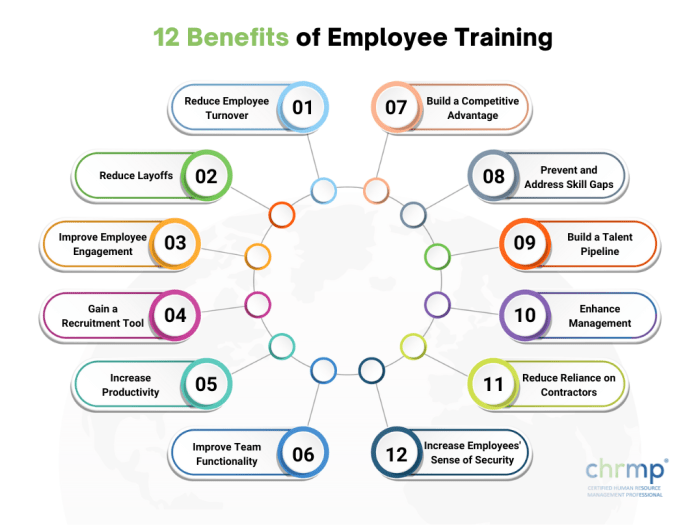
In conclusion, the myriad benefits of investing in employee training programs extend far beyond mere skill enhancement, fostering a culture of continuous learning and growth that propels both individuals and the organization towards greater heights of success.
Entrepreneurs often struggle with financial management, but by following some top financial management tips , they can improve their business’s financial health. Implementing strategies like budgeting, monitoring cash flow, and reducing unnecessary expenses can lead to long-term success.
Creating a diverse and inclusive workplace is crucial for fostering innovation and creativity. By implementing diversity and inclusion initiatives, companies can benefit from different perspectives and experiences, leading to a more productive and engaged workforce.
Customer retention is essential for sustainable business growth. By understanding how to increase customer retention rate , entrepreneurs can focus on building strong relationships, providing excellent customer service, and offering loyalty programs to keep customers coming back.
