As Benefits of mentoring programs for professional development takes center stage, this opening passage beckons readers with research style into a world crafted with good knowledge, ensuring a reading experience that is both absorbing and distinctly original.
Mentoring programs play a crucial role in professional development by fostering skill acquisition, career advancement, and a positive work culture. This article delves into the various aspects of mentoring programs to provide a comprehensive understanding of their benefits and impact.
Benefits of mentoring programs for professional development
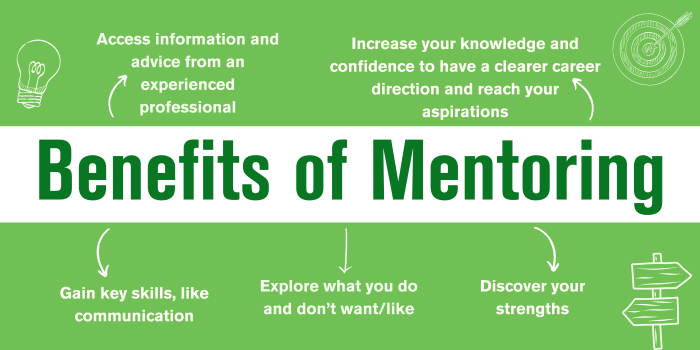
Mentoring programs play a crucial role in fostering the growth and development of employees within an organization. These programs provide a structured framework for employees to acquire new skills, knowledge, and insights from experienced mentors. Let’s delve into how mentoring programs benefit professional development.
Acquisition of New Skills and Knowledge
Mentoring programs offer a unique opportunity for employees to learn from seasoned professionals in their field. Mentors can provide guidance, share their expertise, and offer valuable feedback to help mentees develop new skills and expand their knowledge base. Through regular interactions and personalized guidance, employees can enhance their capabilities and stay updated on industry trends.
Improved Employee Performance and Productivity
Mentoring relationships have been shown to enhance employee performance and productivity. Mentors can help mentees set goals, identify areas for improvement, and provide constructive criticism to help them excel in their roles. By offering support and encouragement, mentors can empower employees to reach their full potential and achieve their professional objectives.
Impact on Career Advancement and Growth Opportunities
Mentorship plays a significant role in career advancement and growth opportunities for employees. Mentors can offer valuable insights into career paths, provide networking opportunities, and advocate for their mentees within the organization. By nurturing talent and fostering leadership skills, mentors can help employees secure promotions, take on challenging roles, and advance in their careers.
Fostering a Positive Work Culture and Boosting Employee Morale
Mentoring programs contribute to creating a positive work culture by promoting collaboration, knowledge sharing, and mutual respect among employees. Mentees often feel supported, valued, and motivated through their interactions with mentors, leading to increased job satisfaction and morale. By fostering strong relationships and a sense of community within the organization, mentoring programs contribute to a more engaged and productive workforce.
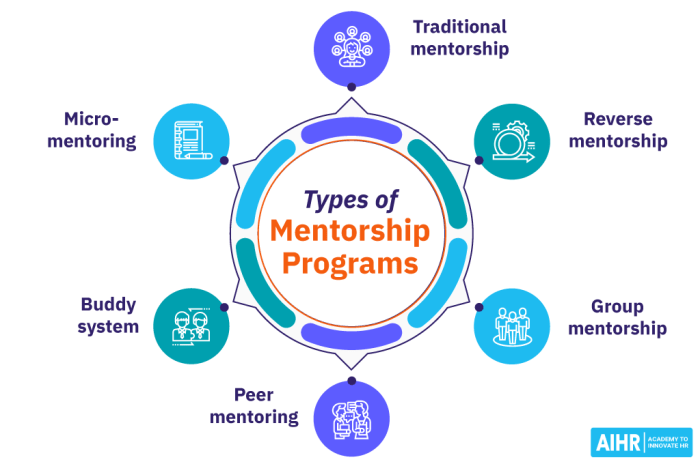
Types of mentoring programs

When it comes to mentoring programs, organizations can implement both formal and informal structures to foster professional development among employees. Let’s explore the different types of mentoring programs and how they are structured.
Effective marketing techniques are crucial for online businesses to succeed in the competitive digital landscape. By implementing strategies such as SEO, social media marketing, and email campaigns, businesses can reach a wider audience and increase their online presence. To learn more about effective marketing techniques for online businesses, visit Effective marketing techniques for online businesses.
Formal Mentoring Programs in Organizations
Formal mentoring programs in organizations are structured initiatives designed to pair a more experienced mentor with a less experienced mentee. These programs typically have specific goals, timelines, and guidelines to ensure that the mentoring relationship is productive and beneficial for both parties involved.
The future of retail is rapidly evolving in a digital world, with technology playing a crucial role in shaping consumer behavior and preferences. From personalized shopping experiences to virtual reality stores, retailers are adapting to meet the changing demands of customers.
To explore more about the future of retail in a digital world, read The future of retail in a digital world.
- Pairing: Mentors and mentees are carefully matched based on skills, career goals, and areas of expertise to ensure a successful partnership.
- Training: Mentors and mentees may receive training on effective mentoring practices, communication skills, and goal setting to enhance the mentoring experience.
- Monitoring: Formal mentoring programs often have mechanisms in place to track progress, provide feedback, and make adjustments as needed to ensure the success of the mentoring relationship.
Comparison of Formal and Informal Mentoring Programs
Formal mentoring programs differ from informal mentoring relationships that naturally develop within an organization. Let’s compare and contrast these two types of mentoring programs.
Creating a strong brand identity is essential for businesses looking to stand out in the market. By focusing on consistency, authenticity, and storytelling, companies can build a brand that resonates with their target audience. To discover the best practices for creating a strong brand identity, check out Best practices for creating a strong brand identity.
| Formal Mentoring Programs | Informal Mentoring Programs |
|---|---|
| Structured and goal-oriented | Less structured and spontaneous |
| Officially sanctioned by the organization | Not officially sanctioned, based on personal connections |
| Specific guidelines and timelines | No formal guidelines or timelines |
Examples of Successful Mentoring Initiatives, Benefits of mentoring programs for professional development
Successful mentoring initiatives have been implemented across various industries to support career development and knowledge sharing. Here are some examples of organizations that have excelled in mentoring programs:
- Google’s “Career Guru” program pairs employees with mentors outside their direct reporting line to provide career guidance and advice.
- General Electric’s “Leadership Development Program” offers formal mentoring opportunities for high-potential employees to grow and advance within the company.
- IBM’s “MentorPlace” platform connects employees globally for mentoring relationships to foster professional growth and learning.
Benefits of Reverse Mentoring
Reverse mentoring is a practice where junior employees mentor senior employees, allowing for knowledge exchange and skill development in both directions. Let’s explore how reverse mentoring can benefit both junior and senior employees:
- Junior employees gain leadership skills, visibility, and networking opportunities through mentoring senior leaders.
- Senior employees benefit from fresh perspectives, insights into new technologies, and enhanced collaboration with younger colleagues.
- Reverse mentoring promotes a culture of learning, diversity, and innovation within organizations by bridging generational gaps and fostering mutual respect.
Key components of effective mentoring relationships
Effective mentoring relationships are built on key components that contribute to the success and growth of both the mentor and mentee. These components include the essential qualities of a good mentor, setting clear goals and expectations, effective communication, feedback, and ongoing support.
Essential qualities of a good mentor
A good mentor possesses qualities such as experience, expertise, empathy, patience, active listening skills, and a genuine interest in the development of the mentee. They provide guidance, support, and feedback based on their own experiences and knowledge to help the mentee navigate challenges and achieve their goals.
Importance of setting clear goals and expectations
Setting clear goals and expectations in a mentoring relationship is crucial for establishing a direction and framework for the mentorship. It helps both the mentor and mentee understand what they aim to achieve, how they will measure success, and the timeline for reaching their goals. Clear goals and expectations also ensure alignment and accountability between the mentor and mentee.
Role of effective communication in mentoring programs
Effective communication is a cornerstone of successful mentoring relationships. It involves active listening, clear and open dialogue, asking questions, providing feedback, and maintaining regular contact. Good communication fosters trust, understanding, and a strong rapport between the mentor and mentee, leading to more meaningful and impactful interactions.
Significance of feedback and ongoing support in mentorship
Feedback and ongoing support are essential components of mentorship that contribute to the growth and development of the mentee. Constructive feedback helps the mentee identify areas for improvement, build on strengths, and gain valuable insights for personal and professional growth. Ongoing support from the mentor provides encouragement, motivation, and guidance throughout the mentoring relationship, ensuring continuous progress and success.
Measuring the success of mentoring programs: Benefits Of Mentoring Programs For Professional Development
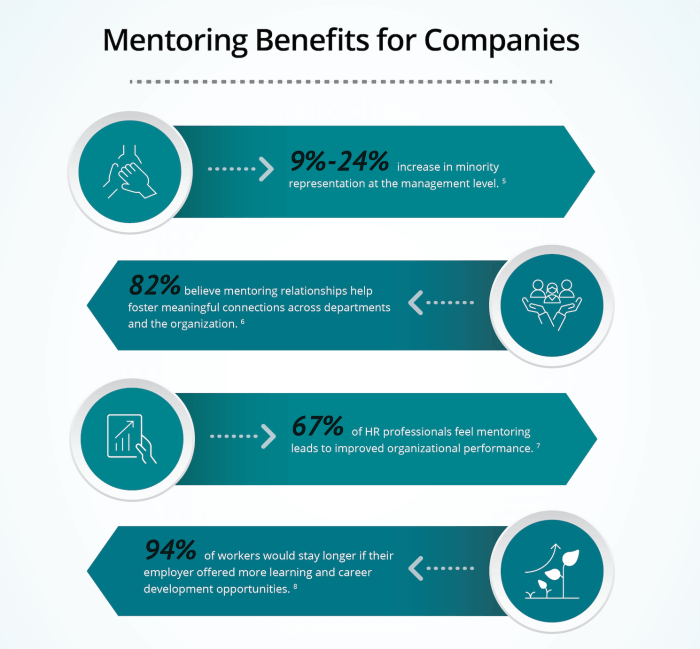
Measuring the success of mentoring programs is crucial to assess their impact on professional development and ensure they are delivering the intended results. By establishing key performance indicators (KPIs), organizations can evaluate the effectiveness of mentoring initiatives and make informed decisions to enhance their programs.
Key Performance Indicators (KPIs) to evaluate the effectiveness of mentoring programs
- Retention rates: Tracking the retention rates of employees who have participated in mentoring programs can indicate how successful the programs are in engaging and developing talent within the organization.
- Promotion rates: Monitoring the number of mentees who have been promoted within a certain period after completing a mentoring program can demonstrate the program’s impact on career progression and skill development.
- Employee satisfaction surveys: Conducting regular surveys to gather feedback from participants about their mentoring experience can provide valuable insights into the perceived effectiveness of the programs.
- Skill development assessments: Assessing the progress and improvement in specific skills or competencies of mentees before and after their participation in the program can help measure the impact of mentoring on professional development.
Examples of how organizations can assess the impact of mentoring on professional development
Organizations can assess the impact of mentoring on professional development by analyzing quantitative data such as promotion rates, retention rates, and skill development assessments. Additionally, conducting qualitative assessments through feedback surveys and interviews with participants can provide a deeper understanding of the perceived benefits and areas for improvement in mentoring programs.
Ways to gather feedback from participants to improve mentoring initiatives
- Surveys: Implementing regular surveys to gather feedback from both mentors and mentees about their mentoring experience, including what worked well and areas for improvement.
- Focus groups: Organizing focus group sessions with participants to facilitate in-depth discussions and gather qualitative feedback on the impact of mentoring on their professional development.
- One-on-one interviews: Conducting individual interviews with participants to delve deeper into their experiences, challenges faced, and suggestions for enhancing the mentoring programs.
Best practices for monitoring and adjusting mentoring programs for optimal results
- Regular program evaluation: Implementing a structured process for regularly evaluating mentoring programs based on predefined KPIs and feedback from participants to identify areas for improvement.
- Continuous communication: Maintaining open communication channels with mentors and mentees to address any issues, provide support, and make necessary adjustments to the program based on feedback.
- Training and development: Providing ongoing training and development opportunities for mentors to enhance their mentoring skills and ensure the effectiveness of the programs.
Concluding Remarks
In conclusion, mentoring programs offer a wealth of advantages for both employees and organizations, ranging from skill enhancement to improved morale. By investing in effective mentoring relationships, individuals can navigate their career paths more successfully while contributing positively to the overall work environment.
