Benefits of outsourcing certain business functions: In today’s competitive business landscape, companies are increasingly turning to outsourcing to streamline operations and leverage specialized skills. This article delves into the advantages and cost-efficiency of outsourcing, access to expert knowledge, focusing on core activities, and the flexibility it offers for businesses.
Outsourcing has become a strategic tool for businesses looking to enhance productivity and stay ahead in the market. Let’s explore how outsourcing can transform your business operations.






Benefits of outsourcing certain business functions
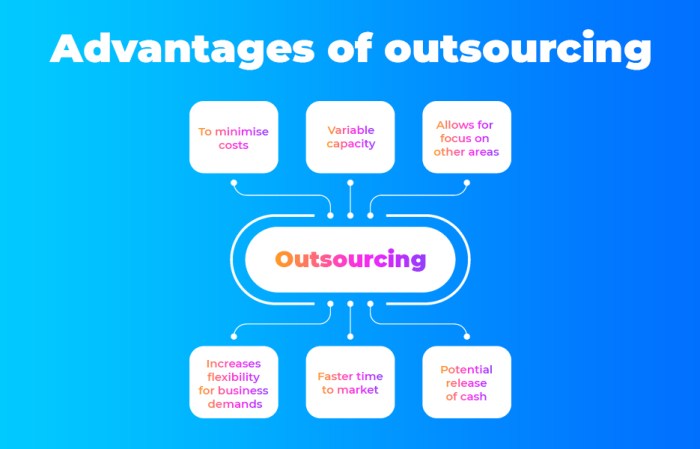
Outsourcing is the practice of hiring a third-party company to perform tasks, handle operations, or provide services that would typically be conducted in-house by the business itself. This strategy allows organizations to focus on their core competencies while delegating certain functions to external experts.
Examples of common business functions that are typically outsourced
Outsourcing can cover a wide range of business functions, including but not limited to:
- IT services
- Accounting and bookkeeping
- Customer service
- Human resources
- Manufacturing and production
These are just a few examples of the many tasks that companies often choose to outsource to specialized service providers.
Advantages of outsourcing specific tasks or services
Outsourcing certain business functions can offer several benefits, including:
- Cost savings: Outsourcing can often be more cost-effective than hiring and training in-house staff for specific tasks.
- Access to specialized expertise: By outsourcing to companies that specialize in specific services, businesses can benefit from the expertise and experience of professionals in that field.
- Increased efficiency: External service providers may have streamlined processes and advanced technologies that can improve the efficiency of certain operations.
- Focus on core activities: Outsourcing non-core functions allows companies to focus on their core competencies and strategic goals.
- Flexibility and scalability: Outsourcing provides businesses with the flexibility to scale operations up or down based on current needs, without the constraints of maintaining a permanent workforce.
Overall, outsourcing can be a valuable strategy for businesses looking to optimize their operations, reduce costs, and improve overall performance.
Cost-efficiency of outsourcing
Outsourcing certain business functions can lead to significant cost savings for companies. By delegating tasks to external service providers, businesses can benefit from lower labor costs, reduced overhead expenses, and increased operational efficiency.
Labor Cost Reduction
Outsourcing allows companies to access a global talent pool at a fraction of the cost compared to hiring full-time employees. By outsourcing tasks to countries with lower labor costs, businesses can save money on salaries, benefits, and training expenses. This cost-effective approach enables companies to allocate their resources more efficiently and invest in other critical areas of their operations.
Overhead Expense Reduction, Benefits of outsourcing certain business functions
When businesses handle certain functions in-house, they incur various overhead expenses such as rent, utilities, equipment maintenance, and insurance. Outsourcing helps reduce these overhead costs as external service providers are responsible for managing their own facilities and resources. By outsourcing tasks, companies can avoid the upfront investment required to set up and maintain infrastructure, resulting in significant cost savings in the long run.
Cost Comparison: Outsourcing vs. In-House Operations
A comparative analysis of outsourcing versus in-house operations reveals that outsourcing is often more cost-effective. While outsourcing may involve upfront costs such as vendor fees and contract negotiations, the overall savings in labor and overhead expenses outweigh these initial investments. Additionally, outsourcing allows businesses to scale their operations based on their current needs, avoiding the expenses associated with maintaining a full-time workforce during periods of low demand.
Access to specialized skills and expertise
Outsourcing certain business functions can provide companies with access to specialized skills and expertise that they may not have in-house. This can be particularly beneficial for businesses looking to improve efficiency, quality, and innovation.
Examples of Industries Requiring Outsourcing Expertise
- In the IT industry, companies often outsource software development and cybersecurity services to access specialized technical skills.
- The healthcare sector frequently outsources medical transcription and billing services to professionals with expertise in medical terminology and coding.
- Manufacturing companies may outsource product design and engineering services to access cutting-edge technologies and industry knowledge.
Competitive Advantage through Specialized Knowledge
Outsourcing can help businesses stay competitive by tapping into specialized knowledge that may not be readily available internally. By partnering with experts in specific fields, companies can benefit from the latest industry trends, best practices, and innovative solutions. This access to specialized skills can give businesses an edge over competitors and enhance their overall performance and market position.
Focus on core business activities
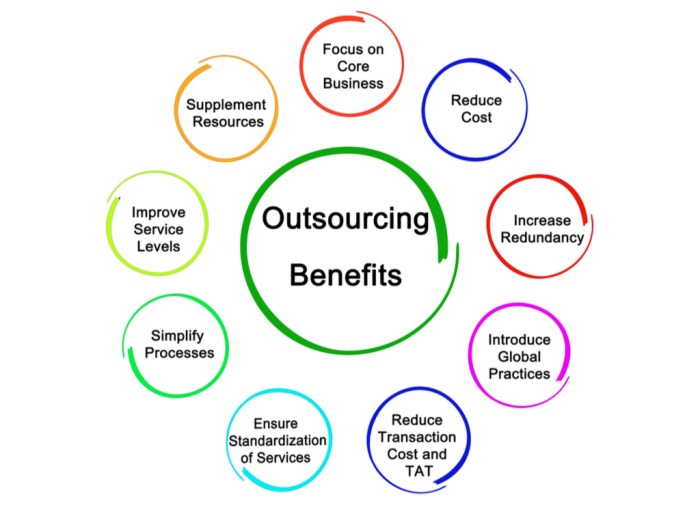
Outsourcing non-core functions can greatly benefit businesses by allowing them to focus on their core competencies. By delegating routine tasks to external service providers, companies can allocate more time, resources, and energy towards strategic goals and activities that directly impact their bottom line.
Examples of commonly outsourced tasks
- Customer service and support
- Payroll processing
- IT support and maintenance
- Accounting and bookkeeping
- Human resources administration
Improving productivity and efficiency
Outsourcing routine tasks can lead to enhanced productivity and efficiency within an organization. By entrusting non-core functions to specialized professionals, companies can streamline operations, reduce errors, and increase overall output. This allows employees to focus on value-added activities that drive innovation and growth, ultimately leading to a more competitive and agile business.
Scalability and flexibility through outsourcing: Benefits Of Outsourcing Certain Business Functions
Outsourcing provides businesses with the ability to scale their operations up or down based on their current needs, allowing for increased flexibility in managing workload fluctuations and adapting to changing market conditions more effectively.
Scalability Options
Outsourcing certain business functions enables companies to easily scale their operations without the need to hire additional full-time staff. For example, a company experiencing a sudden increase in customer service inquiries can quickly outsource their customer support to a third-party provider to handle the influx of calls without the need to recruit and train new employees internally.
Flexibility in Managing Workload Fluctuations
By outsourcing tasks that are subject to seasonal or irregular demand, businesses can better manage workload fluctuations. For instance, an e-commerce company may outsource order fulfillment during peak shopping seasons to ensure timely delivery without overburdening their in-house logistics team.
Adapting to Changing Market Conditions
Outsourcing allows businesses to be more agile and responsive to changing market conditions. For example, a software development company may outsource specialized coding tasks to freelancers or external agencies to quickly adapt to new technologies or industry trends without the need for extensive internal training or hiring processes.
Last Word
In conclusion, outsourcing certain business functions can be a game-changer for companies seeking cost savings, access to specialized skills, enhanced focus on core activities, and scalability. By leveraging outsourcing effectively, businesses can drive growth and efficiency in a dynamic market environment.
Employee productivity is crucial for the success of any business. Employers can explore innovative ways to enhance the efficiency and effectiveness of their workforce. By implementing new technologies, offering flexible work arrangements, and providing continuous training and development opportunities, companies can create a more productive work environment for their employees.
The e-commerce industry has experienced significant changes post-pandemic. It is essential for businesses to stay updated with the latest trends to remain competitive in the digital marketplace. From the rise of mobile shopping to the growing popularity of social commerce, companies need to adapt their strategies to meet the evolving needs and preferences of online consumers.
Small startups face unique challenges in the business world. By adopting tailored business strategies that focus on agility, innovation, and customer engagement, startups can increase their chances of long-term success. From utilizing digital marketing techniques to building strong partnerships, small businesses can thrive in a competitive market by implementing the right strategies.