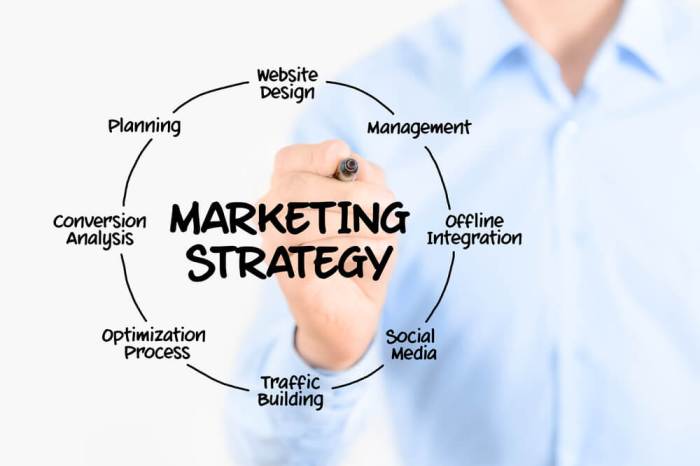
Kicking off with Effective marketing techniques for online businesses, this opening paragraph is designed to captivate and engage the readers, setting the tone research style that unfolds with each word. It delves into the importance of innovative marketing strategies and how they can impact the success of online businesses, paving the way for a comprehensive discussion on various effective techniques.
The following content will explore the significance of knowing the target audience, leveraging social media, optimizing search engines, implementing content marketing strategies, utilizing email campaigns, forming influencer partnerships, and analyzing marketing metrics to ensure a well-rounded approach to online marketing success.



Importance of Effective Marketing Techniques

Effective marketing techniques play a crucial role in the success of online businesses. By implementing strategic marketing strategies, businesses can reach their target audience, increase brand visibility, and drive sales. For online businesses, the digital landscape is highly competitive, making it essential to stand out and attract customers through innovative marketing approaches. Successful online businesses have demonstrated the power of effective marketing techniques in achieving their goals and staying ahead of the competition.
Understanding Target Audience
Understanding the target audience is fundamental for online businesses to tailor their marketing strategies effectively. By identifying and analyzing the demographics, behaviors, and preferences of their target audience, businesses can create targeted campaigns that resonate with potential customers. This leads to higher engagement, conversion rates, and customer loyalty.
- Conduct market research to gather insights into the target audience’s needs and preferences.
- Utilize analytics tools to track customer behavior and demographics on the website and social media platforms.
- Create buyer personas to represent different segments of the target audience and tailor marketing messages accordingly.
Utilizing Social Media Marketing
Social media plays a significant role in online business marketing by providing a platform for businesses to engage with their audience, promote products/services, and build brand awareness. Successful social media marketing campaigns have demonstrated the ability to go viral, reach a wide audience, and generate buzz around a brand.
- Examples of successful social media marketing campaigns include Wendy’s Twitter account with witty responses and engagement with followers, and Airbnb’s Instagram campaign showcasing unique travel experiences.
- Engage with audiences through interactive content, respond to comments and messages promptly, and leverage user-generated content for authenticity.
- Utilize different social media platforms based on the target audience’s preferences and behaviors.
Search Engine Optimization ()
is essential for online businesses to improve their website’s visibility on search engines and drive organic traffic. By optimizing website content, s, and meta tags, businesses can increase their chances of ranking higher in search results and attracting relevant visitors.
- Key techniques include research, on-page optimization, link building, and technical improvements.
- Organic focuses on improving search rankings naturally, while paid advertising involves paying for placement in search results or social media ads.
- Organic offers long-term benefits and credibility, while paid advertising can deliver immediate results but requires ongoing investment.
Content Marketing Strategies
Content marketing is a powerful tool for online businesses to attract and engage customers through valuable and relevant content. By creating high-quality blog posts, videos, infographics, and other content formats, businesses can establish themselves as industry experts and build trust with their audience.
- Content marketing techniques include storytelling, educational content, product demonstrations, and customer testimonials.
- Create a content calendar to plan and schedule content releases, and analyze performance metrics to optimize future content strategies.
- Focus on creating content that addresses the target audience’s pain points, interests, and needs to drive engagement and conversions.
Email Marketing Campaigns
Email marketing remains a valuable tool for online businesses to connect with customers, promote products/services, and drive conversions. By personalizing email content, segmenting email lists, and optimizing send times, businesses can improve open rates, click-through rates, and customer retention.
- Successful email marketing campaigns include personalized recommendations, exclusive offers, and engaging storytelling to captivate subscribers.
- Design mobile-responsive email templates, A/B test subject lines and content, and track key metrics such as open rates, click-through rates, and conversions.
- Segment email lists based on customer behavior, preferences, and purchase history to deliver targeted and relevant content to different audience segments.
Influencer Partnerships, Effective marketing techniques for online businesses
Collaborating with influencers can help online businesses reach a wider audience, increase brand visibility, and build credibility with consumers. By partnering with influencers who resonate with their target market, businesses can leverage their influence and engagement to promote products/services authentically.
- Influencer partnerships can range from sponsored content, product reviews, brand ambassadorships, to social media takeovers and influencer events.
- Identify influencers whose values, audience demographics, and content align with the brand’s image and target audience.
- Engage with influencers on social media, build relationships, and negotiate mutually beneficial partnerships to maximize reach and impact.
Analyzing Marketing Metrics
Tracking and analyzing marketing metrics are essential for online businesses to measure the success of their marketing campaigns, identify areas for improvement, and optimize future strategies. By monitoring key performance indicators (KPIs) such as website traffic, conversion rates, engagement metrics, and ROI, businesses can make data-driven decisions to achieve their marketing goals.
- Key performance indicators (KPIs) include website traffic, bounce rate, conversion rate, click-through rate, customer acquisition cost (CAC), and return on investment (ROI).
- Utilize analytics tools such as Google Analytics, social media insights, and email marketing platforms to track and analyze marketing performance.
- Optimize marketing strategies based on data analysis, experiment with different tactics, and iterate on successful approaches to drive continuous improvement and growth.
End of Discussion: Effective Marketing Techniques For Online Businesses
In conclusion, Effective marketing techniques for online businesses are crucial for staying competitive and reaching target audiences in a digital landscape. By implementing a combination of diverse strategies and continuously analyzing performance, businesses can enhance their online presence and drive growth effectively.
