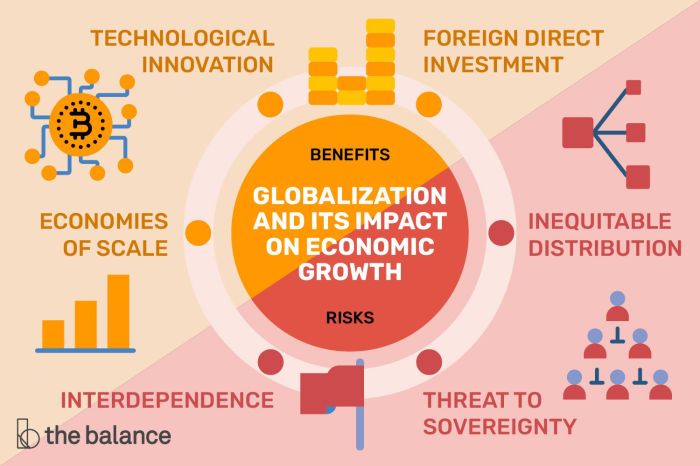
Impact of globalization on small businesses: Adapting to a Changing World begins by exploring the profound influence of globalization on small enterprises worldwide. From market expansion to financial considerations, this discussion delves into the challenges and opportunities faced by small businesses in today’s interconnected global economy.
Overview of Globalization
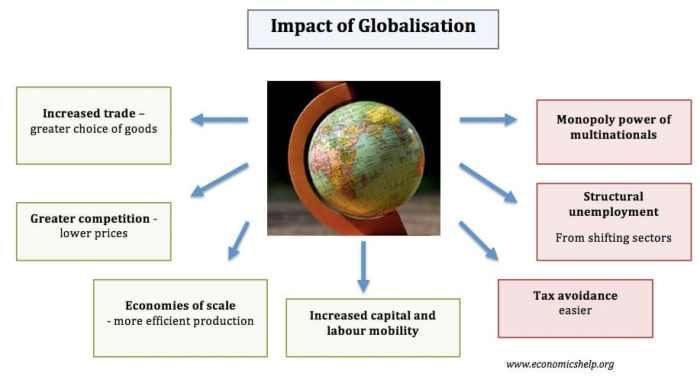
Globalization is the process of increasing interconnectedness and interdependence among countries, economies, and cultures around the world. It has significantly impacted the world economy by promoting the flow of goods, services, capital, and information across borders. This has resulted in increased trade, investment, and technological advancements on a global scale.






Impact of Globalization on Small Businesses
Globalization has both positive and negative effects on small businesses in various industries. Small businesses have been able to access new markets, suppliers, and technologies, which has allowed them to expand their reach and increase competitiveness. However, they also face challenges such as increased competition, regulatory complexities, and cultural differences.
- Example 1: Adaptation to Global Markets
- Example 2: Supply Chain Optimization
Small businesses have adapted to globalization by leveraging e-commerce platforms to reach international customers. For instance, a small artisanal jewelry maker in a rural town can now sell their products to customers worldwide through online marketplaces like Etsy or Amazon.
In response to global supply chain disruptions, small businesses have started diversifying their suppliers and implementing digital tools for inventory management. This flexibility enables them to mitigate risks and ensure business continuity.
Role of Technology in Facilitating Globalization for Small Businesses
Technology plays a crucial role in enabling small businesses to participate in the global economy. Through digital platforms, small businesses can access global markets, communicate with international partners, and streamline their operations efficiently.
Platforms like Shopify, Alibaba, and PayPal have revolutionized the way small businesses engage in international trade, allowing them to connect with customers and suppliers worldwide with ease.
Market Expansion and Competition

Globalization has significantly impacted small businesses by opening up new markets and opportunities for growth. With advancements in technology and communication, businesses of all sizes can now reach customers worldwide, leading to increased market expansion.
Challenges Faced by Small Businesses
- Competing with Larger Corporations: Small businesses often struggle to compete with larger corporations that have more resources, brand recognition, and established market presence. This can make it challenging for small businesses to stand out and attract customers on a global scale.
- Financial Constraints: Limited access to capital and funding can hinder the ability of small businesses to invest in international expansion and marketing efforts, putting them at a disadvantage compared to larger competitors.
- Adapting to Cultural Differences: Small businesses expanding globally must navigate cultural differences and consumer preferences in various markets. Failing to understand and respect these differences can lead to failed expansion efforts.
Strategies for Small Businesses to Remain Competitive
- Focus on Niche Markets: Small businesses can differentiate themselves from larger competitors by focusing on niche markets and offering specialized products or services that cater to specific customer needs.
- Utilize Digital Marketing: Leveraging digital marketing channels like social media, search engine optimization, and online advertising can help small businesses reach a global audience cost-effectively and compete with larger corporations.
- Build Strong Relationships: Developing strong relationships with customers, suppliers, and partners in target markets can help small businesses establish credibility and trust, leading to long-term success and competitive advantage.
Importance of Cultural Sensitivity and Market Research
Market research plays a crucial role in helping small businesses understand the needs and preferences of consumers in different countries, allowing them to tailor their products and marketing strategies accordingly. Cultural sensitivity is equally important, as it ensures that businesses respect local customs, traditions, and values, building trust with customers and avoiding potential cultural missteps that could harm their reputation.
Supply Chain and Production: Impact Of Globalization On Small Businesses
Globalization has significantly impacted the supply chain and production processes of small businesses in today’s interconnected world. The ability to source materials and products from around the globe has opened up new opportunities for small businesses to expand their reach and reduce costs. However, this shift towards a more globalized supply chain also comes with its own set of challenges and considerations.
Impact on Supply Chain
Outsourcing production to other countries has become a common practice for small businesses looking to reduce manufacturing costs and gain access to specialized expertise. This can lead to benefits such as lower labor costs, increased efficiency, and access to new markets. However, there are also drawbacks to consider, including longer lead times, communication barriers, quality control issues, and dependency on external suppliers.
Optimizing Supply Chain, Impact of globalization on small businesses
To optimize their supply chain in a globalized economy, small businesses can implement strategies such as diversifying suppliers, leveraging technology for real-time tracking and communication, investing in quality control measures, and developing strong relationships with suppliers. By carefully managing their supply chain, small businesses can mitigate risks and ensure smooth operations even in a globalized environment.
Environmental Implications
Globalized production can have significant environmental implications for small businesses, including increased carbon emissions from transportation, waste generation, and resource depletion. To address these challenges, small businesses can adopt sustainable practices such as sourcing materials locally, reducing packaging waste, optimizing transportation routes, and investing in renewable energy sources. By prioritizing environmental sustainability in their supply chain and production processes, small businesses can minimize their ecological footprint and contribute to a more sustainable future.
Financial Considerations
Globalization has significantly impacted how small businesses access capital and manage their finances in a globalized environment. With the interconnected nature of economies, small businesses now have access to a wider pool of investors and financial institutions, but they also face new challenges and risks that come with conducting business on a global scale.
Influence on Access to Capital
Globalization has opened up new opportunities for small businesses to access capital from investors and financial institutions worldwide. Small businesses can now tap into a larger pool of investors through crowdfunding platforms, venture capital firms, and international banks. This increased access to capital has enabled small businesses to expand their operations, invest in new technologies, and enter new markets.
Risks of Currency Exchange Rates and International Transactions
One of the major risks that small businesses face in a globalized environment is the volatility of currency exchange rates. Fluctuations in exchange rates can significantly impact a small business’s bottom line, affecting the cost of imports, exports, and international transactions. Additionally, international financial transactions may incur fees and additional costs, further adding to the financial risks for small businesses.
Tips for Managing Financial Risks
- Diversify currency holdings: Small businesses can reduce their exposure to currency exchange rate risks by holding a diverse portfolio of currencies.
- Hedging strategies: Utilize financial instruments such as forward contracts or options to hedge against currency fluctuations.
- Monitor exchange rates: Stay informed about the latest developments in currency markets and adjust strategies accordingly.
- Use local currency: When possible, conduct transactions in the local currency to minimize exchange rate risks.
Role of International Trade Agreements
International trade agreements play a crucial role in shaping the financial landscape for small businesses. These agreements can impact tariffs, trade barriers, and regulations that affect the cost of doing business globally. By participating in trade agreements, small businesses can benefit from reduced trade barriers, increased market access, and a more predictable trading environment.
Wrap-Up
In conclusion, Impact of globalization on small businesses sheds light on the complexities of navigating a globalized marketplace. By understanding the various aspects of globalization, small businesses can strategize effectively to thrive in an ever-evolving business landscape.
Networking plays a crucial role in expanding business connections. By attending industry events and utilizing online platforms, entrepreneurs can build valuable relationships and partnerships. For more insights on effective networking strategies, check out this article on Networking tips for expanding business connections.
The power of storytelling is undeniable in brand marketing. Crafting compelling narratives can engage customers on an emotional level and differentiate a brand from competitors. To learn more about the impact of storytelling in marketing, visit this resource on The power of storytelling in brand marketing.
Effective crisis management is essential for businesses to navigate challenging situations successfully. By having a well-prepared crisis management plan and responding proactively, companies can minimize damage to their reputation. Explore valuable tips for crisis management in businesses in this article on Tips for effective crisis management in businesses.