
Implementing agile methodologies in business development sets the stage for this enthralling narrative, offering readers a glimpse into a story that is rich in detail with research style and brimming with originality from the outset.
Agile methodologies have revolutionized the way businesses approach development, emphasizing adaptability and collaboration. This article delves into the key aspects of integrating agile practices into business strategies and explores the various challenges and benefits associated with this transformative approach.
Overview of Agile Methodologies
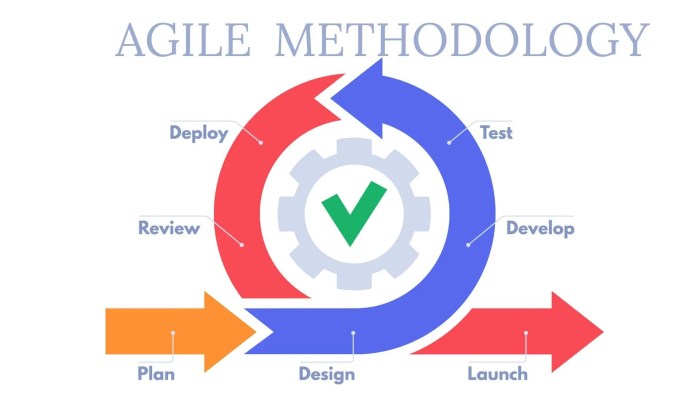
Agile methodologies in business development refer to a set of practices and principles that prioritize flexibility, collaboration, and iterative progress. Instead of following a rigid plan from start to finish, agile methodologies allow teams to adapt to changing requirements and feedback throughout the development process.
Key Principles of Agile Methodologies
- Iterative Development: Projects are broken down into small, manageable increments that are developed and tested in short cycles.
- Collaboration: Cross-functional teams work closely together, fostering communication and sharing of ideas.
- Adaptability: Embracing change and responding to feedback quickly is a key principle of agile methodologies.
- Continuous Improvement: Regular reflection and adaptation help teams improve processes and deliver better results.
Examples of Industries Implementing Agile Methodologies
- Software Development: Agile methodologies like Scrum and Kanban are commonly used in the software industry to deliver products more efficiently.
- Marketing: Agile marketing techniques help teams respond to market changes and customer feedback in real-time.
- Manufacturing: Agile methodologies are increasingly being adopted in manufacturing to improve production processes and respond to customer demands.
Benefits of Using Agile Methodologies in Business Development
- Flexibility: Agile methodologies allow for changes to be made quickly in response to new information or feedback.
- Increased Collaboration: Teams work closely together, leading to better communication and alignment on project goals.
- Efficiency: By breaking projects into smaller increments, teams can deliver value more frequently and adapt as needed.
- Customer Satisfaction: Agile methodologies prioritize customer feedback, resulting in products and services that better meet customer needs.
Implementing Agile Methodologies
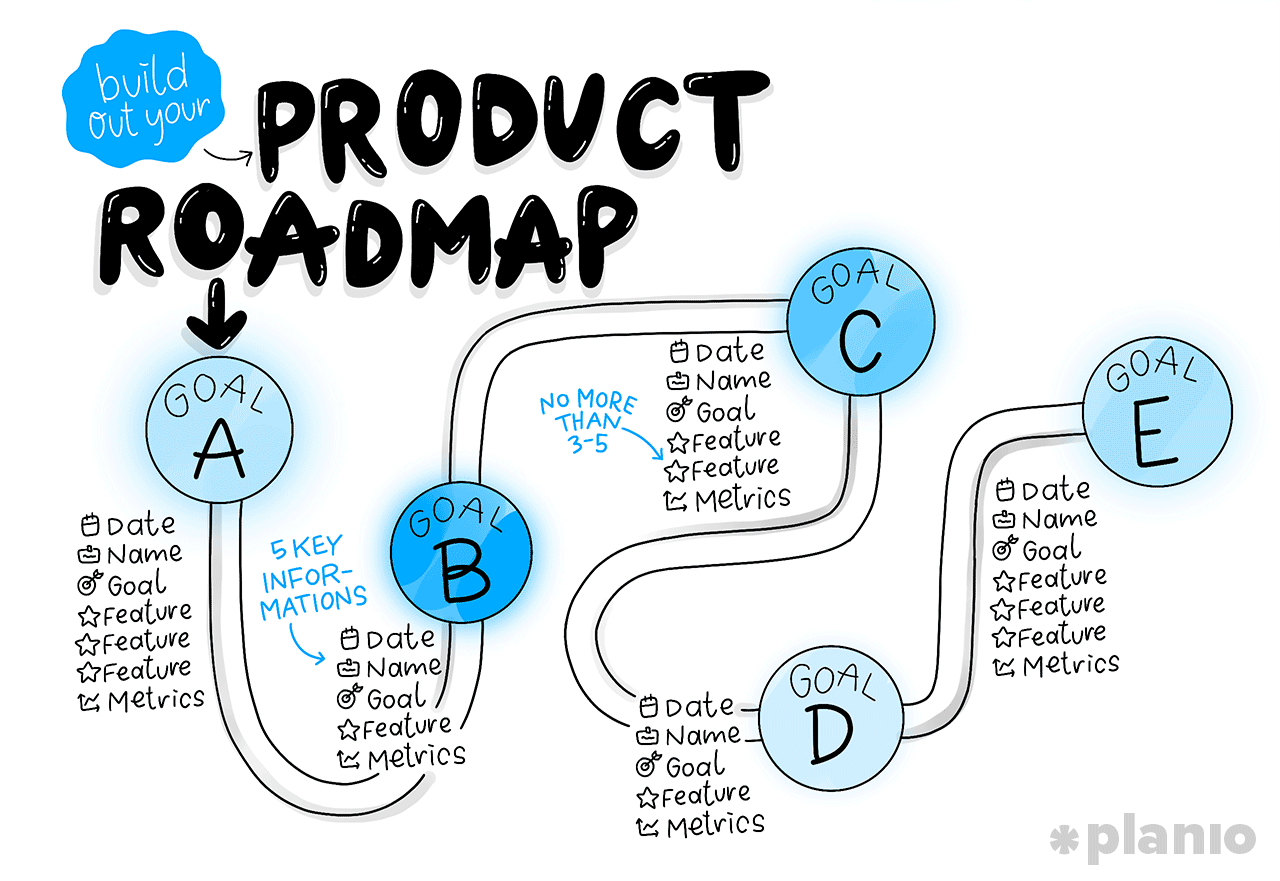
Introducing agile methodologies in business development can be a transformative process that requires careful planning and execution. By following certain steps and strategies, along with effective leadership and a culture that embraces agility, organizations can successfully implement agile methodologies.
Remote work has significantly impacted business operations, leading to changes in how companies operate on a day-to-day basis. With the rise of telecommuting, businesses are adopting new technologies and communication tools to ensure productivity and collaboration among remote teams. To learn more about the impact of remote work on business operations, visit Impact of remote work on business operations.
Steps to Introduce Agile Methodologies in Business Development
- Educate teams and stakeholders about agile principles and practices to build a foundational understanding.
- Start with pilot projects to test agile methodologies in a controlled environment before scaling up.
- Establish cross-functional teams to encourage collaboration and communication across different departments.
- Implement regular feedback loops to adapt and improve processes based on insights from team members and stakeholders.
- Continuously train and upskill employees to ensure they have the necessary tools and knowledge to work effectively in an agile environment.
The Role of Leadership in Implementing Agile Methodologies
- Leadership plays a crucial role in championing agile methodologies and setting the tone for the organization’s agile transformation.
- Leaders need to communicate the benefits of agile, provide support and resources, and lead by example in embracing agility.
- Empower teams to make decisions and take ownership of their work, fostering autonomy and accountability.
- Create a culture of psychological safety where team members feel comfortable experimenting, taking risks, and learning from failures.
Strategies for Overcoming Challenges when Implementing Agile Methodologies, Implementing agile methodologies in business development
- Address resistance to change by actively involving employees in the transition process and communicating the why behind agile adoption.
- Establish clear goals and objectives to align teams towards a common purpose and prevent ambiguity.
- Encourage a growth mindset that values continuous improvement and embraces feedback as a tool for learning and development.
- Regularly evaluate and adapt agile practices to suit the evolving needs of the organization and its projects.
Creating a Culture that Embraces Agile Methodologies
- Foster open communication channels that allow for transparent feedback, idea sharing, and collaboration among team members.
- Celebrate successes and milestones achieved through agile practices to reinforce a positive and supportive culture.
- Promote a culture of experimentation and learning, where failures are viewed as opportunities for growth and innovation.
- Recognize and reward behaviors that align with agile values, such as adaptability, collaboration, and customer focus.
Agile Methodologies in Project Management: Implementing Agile Methodologies In Business Development
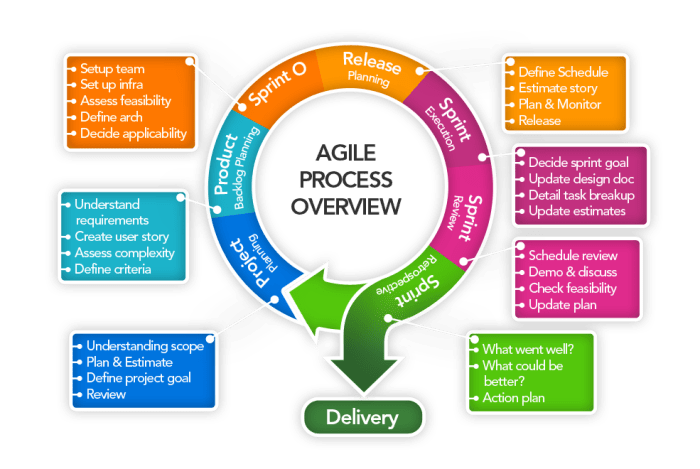
Agile methodologies in project management represent a shift from traditional approaches, emphasizing adaptability, collaboration, and iterative development. This approach allows for more flexibility and responsiveness to changes throughout the project lifecycle.
Differences from Traditional Project Management
- Traditional project management follows a sequential, linear approach, while agile methodologies focus on incremental, iterative development.
- Agile methodologies prioritize customer collaboration and responding to change over following a strict plan.
- Traditional project management often has a fixed scope, timeline, and budget, whereas agile methodologies are more adaptable to evolving requirements.
Role of Project Managers in Agile Methodologies
- Project managers in agile methodologies act as facilitators, removing obstacles, and supporting the team rather than dictating tasks.
- They are responsible for ensuring clear communication, managing risks, and fostering a collaborative environment.
- Project managers in agile methodologies also play a crucial role in prioritizing tasks and maintaining alignment with project goals.
Tools and Techniques in Agile Project Management
- Scrum: A framework for agile project management that includes specific roles, events, and artifacts to guide the development process.
- Kanban: A visual management tool that helps teams visualize work, limit work in progress, and maximize efficiency.
- User Stories: Short, simple descriptions of a feature told from the perspective of the end user to guide development.
Best Practices for Integrating Agile Methodologies
- Embrace change: Be open to adapting plans and requirements based on feedback and evolving needs.
- Encourage collaboration: Foster a culture of teamwork, communication, and shared responsibility among team members.
- Iterate and improve: Continuously reflect on processes and outcomes to identify areas for enhancement and implement changes incrementally.
Measuring Success with Agile Methodologies
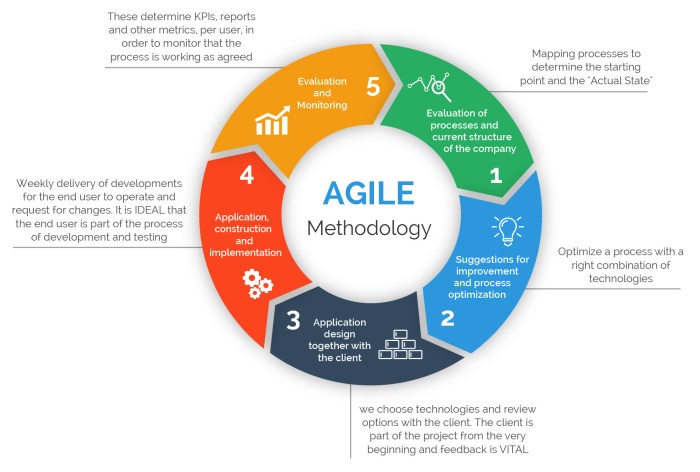
Agile methodologies in business development require specific key performance indicators (KPIs) to measure their success effectively. Tracking progress and evaluating outcomes play a crucial role in determining the effectiveness of agile development. In this section, we will explore the essential KPIs, progress tracking methods, successful business examples, and the importance of continuous improvement with agile methodologies.
Key Performance Indicators for Agile Methodologies
- Velocity: The rate at which a team delivers work during a sprint, indicating productivity and efficiency.
- Lead Time: The time taken from the initiation of work to its completion, reflecting the speed of delivery.
- Quality Metrics: Defect density, customer satisfaction, and other quality indicators to ensure the delivered product meets requirements.
- Team Happiness: Employee satisfaction and engagement levels can impact overall performance and success.
Tracking Progress and Evaluating Outcomes
- Regular Retrospectives: Reflecting on past sprints to identify areas for improvement and celebrate successes.
- Burn-Down Charts: Visual representation of work remaining versus time, helping teams stay on track and meet deadlines.
- Product Increment Reviews: Reviewing the product increment with stakeholders to gather feedback and make necessary adjustments.
Successful Businesses Implementing Agile Methodologies
- Spotify: Known for its “Squad” model, Spotify has effectively implemented agile methodologies to foster collaboration and innovation.
- Zappos: The online shoe retailer embraced agile practices to enhance customer experience and respond quickly to market changes.
- Amazon: Utilizing agile methodologies, Amazon continuously improves its services and products to meet customer demands efficiently.
Continuous Improvement and Adaptation with Agile Methodologies
- Iterative Development: Embracing feedback and making incremental changes to deliver value to customers consistently.
- Adaptive Planning: Adjusting plans based on changing requirements or market conditions to ensure project success.
- Collaborative Culture: Encouraging teamwork, transparency, and open communication to drive continuous improvement and innovation.
Last Word
As businesses strive to stay competitive and responsive in a rapidly evolving marketplace, implementing agile methodologies in business development emerges as a crucial strategy for success. By fostering a culture of innovation, adaptability, and continuous improvement, organizations can navigate complexities and drive growth effectively.
Outsourcing certain business functions has become a popular strategy for companies looking to streamline operations, reduce costs, and access specialized expertise. By outsourcing tasks such as customer service or IT support, businesses can focus on core activities and improve efficiency.
Discover more about the benefits of outsourcing certain business functions at Benefits of outsourcing certain business functions.
Scaling a business globally requires careful planning and execution to navigate different markets, cultures, and regulations. Companies need to develop strategies that consider factors such as market research, localization, and partnerships to succeed on a global scale. For insights into effective strategies for scaling a business globally, check out Strategies for scaling a business globally.
