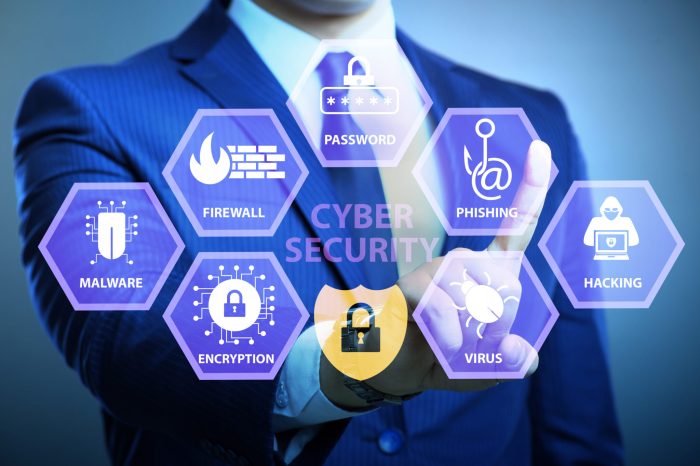
With Importance of cybersecurity for small businesses at the forefront, this paragraph opens a window to an amazing start and intrigue, inviting readers to embark on a storytelling research style filled with unexpected twists and insights.
Cybersecurity is a critical aspect for small businesses, protecting them from evolving online threats and ensuring business continuity. In today’s digital landscape, the importance of robust cybersecurity measures cannot be overstated.
Importance of Cybersecurity for Small Businesses
Small businesses are increasingly becoming targets for cyber attacks due to their lack of robust cybersecurity measures. It is crucial for small businesses to prioritize cybersecurity to protect their sensitive data, financial information, and reputation.
When it comes to effective marketing techniques for online businesses, it is essential to utilize strategies such as search engine optimization, social media marketing, and email campaigns. These techniques can help businesses reach a wider audience and increase brand visibility.
For more information on this topic, you can visit Effective marketing techniques for online businesses.
Common Cybersecurity Threats Faced by Small Businesses
Small businesses are vulnerable to a variety of cybersecurity threats, including:
- Phishing attacks: Cybercriminals send fraudulent emails or messages to trick employees into revealing sensitive information.
- Ransomware: Malicious software that encrypts data and demands a ransom for its release.
- Malware: Software designed to damage or gain unauthorized access to a computer system.
- Insider threats: Employees or contractors who misuse their access to sensitive data for personal gain or malicious intent.
Potential Consequences of a Cyber Attack on a Small Business
A cyber attack on a small business can have devastating consequences, including:
- Financial loss: Cyber attacks can result in financial losses due to data theft, ransom payments, or downtime.
- Reputation damage: A data breach or cyber attack can tarnish a small business’s reputation and erode customer trust.
- Legal implications: Small businesses may face legal consequences for failing to protect customer data or violating data protection regulations.
Best Practices for Cybersecurity in Small Businesses
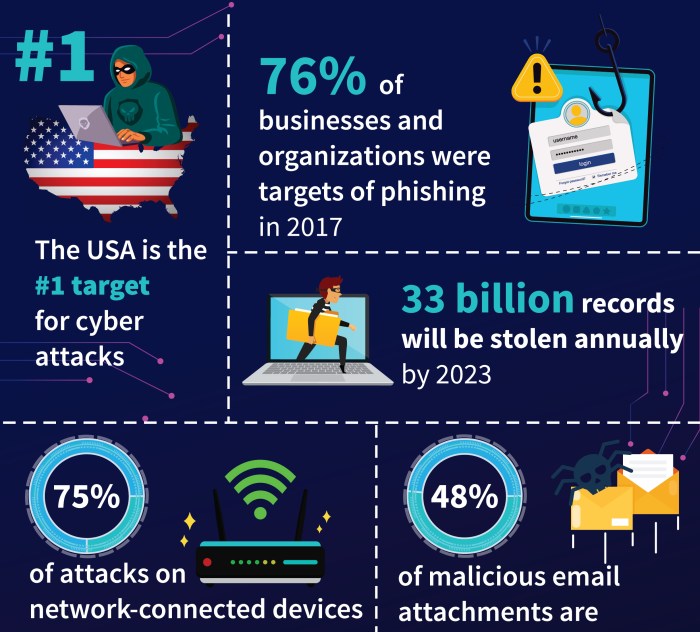
In today’s digital age, small businesses are increasingly becoming targets for cyber attacks. It is crucial for small business owners to implement strong cybersecurity measures to protect their sensitive data and prevent financial losses. Here are some best practices for cybersecurity in small businesses:
Creating a Strong Cybersecurity Posture
One of the key strategies for small businesses is to create a strong cybersecurity posture to defend against cyber threats. This includes:
- Implementing firewalls and antivirus software to protect against malware and viruses.
- Encrypting sensitive data to prevent unauthorized access.
- Regularly backing up data to ensure that critical information is not lost in case of a cyber attack.
- Using multi-factor authentication to add an extra layer of security for accessing sensitive information.
Employee Training in Cybersecurity Awareness
Employee training is essential in building a cybersecurity-aware workforce that can help prevent cyber attacks. It is important to:
- Provide regular training sessions on cybersecurity best practices and how to identify phishing emails or suspicious links.
- Establish clear policies on handling sensitive information and reporting security incidents.
- Conduct simulated phishing exercises to test employees’ awareness and response to potential threats.
Importance of Regular Software Updates and Patches
Regular software updates and patches are crucial for maintaining the security of your systems and protecting against known vulnerabilities. It is important to:
- Ensure that all software, including operating systems and applications, are regularly updated with the latest security patches.
- Monitor security alerts and advisories from software vendors to stay informed about potential threats and vulnerabilities.
- Implement a patch management strategy to ensure timely deployment of updates across all devices and systems.
Cost-Effective Cybersecurity Solutions for Small Businesses
Cybersecurity is crucial for small businesses to protect their sensitive data and maintain their reputation. However, implementing robust cybersecurity measures can be expensive. In this section, we will explore cost-effective cybersecurity solutions that are suitable for small businesses.
Cost-Effective Cybersecurity Tools and Software, Importance of cybersecurity for small businesses
Small businesses can take advantage of affordable cybersecurity tools and software to enhance their security posture. Some cost-effective options include:
- Antivirus Software: Investing in reputable antivirus software can help detect and remove malware from your systems, protecting your data from cyber threats.
- Firewall Protection: Firewalls act as a barrier between your internal network and external threats, preventing unauthorized access to your systems.
- Security Training: Educating employees about cybersecurity best practices can help prevent human errors that could lead to security breaches.
- Multi-Factor Authentication: Implementing multi-factor authentication adds an extra layer of security by requiring users to verify their identity using multiple factors.
By investing in these cost-effective cybersecurity tools, small businesses can significantly reduce their risk of cyber attacks without breaking the bank.
Outsourcing vs. In-House Solutions
Small businesses can also consider outsourcing cybersecurity services to experienced professionals instead of maintaining an in-house team. Outsourcing offers several benefits, including:
- Cost-Effectiveness: Outsourcing cybersecurity services can be more affordable than hiring and training an in-house team.
- Expertise: Cybersecurity professionals are well-equipped to handle the latest threats and vulnerabilities, providing a higher level of protection for your business.
- 24/7 Monitoring: Outsourced cybersecurity services often include round-the-clock monitoring, ensuring that any threats are detected and addressed promptly.
By outsourcing cybersecurity services, small businesses can access expert knowledge and resources without the high costs associated with in-house solutions.
Prioritizing Cybersecurity Investments within Budget Constraints
When budget constraints are a concern, small businesses can prioritize cybersecurity investments by focusing on the most critical areas. Some strategies to consider include:
- Risk Assessment: Conducting a comprehensive risk assessment can help identify the most significant cybersecurity threats to your business, allowing you to allocate resources accordingly.
- Security Updates: Regularly updating software and systems can help patch vulnerabilities and protect your business from known security risks.
- Data Backup: Implementing a reliable data backup solution ensures that your business can recover quickly in the event of a cyber attack or data breach.
By strategically allocating resources to address the most pressing cybersecurity needs, small businesses can enhance their security posture within budget constraints.
Regulatory Compliance and Data Protection for Small Businesses
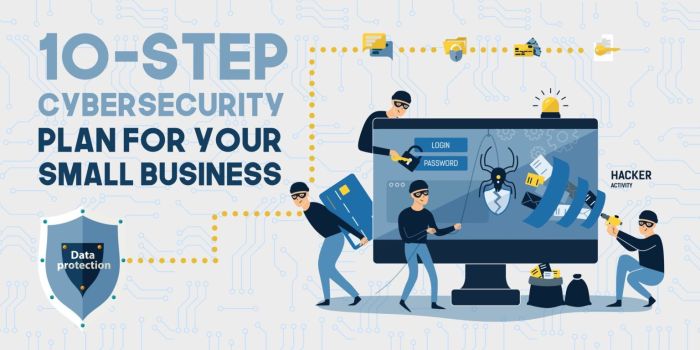
In today’s digital age, small businesses need to prioritize regulatory compliance and data protection to safeguard their sensitive information and maintain trust with customers. Failure to comply with regulations can result in hefty fines and damage to reputation. Implementing data protection measures such as encryption and access controls is crucial to prevent unauthorized access to valuable data. Here are key regulations that small businesses need to comply with regarding cybersecurity and tips on ensuring data privacy compliance.
Key Regulations for Small Businesses
- The General Data Protection Regulation (GDPR): Small businesses that collect or process personal data of EU citizens must comply with GDPR requirements to protect customer data privacy.
- The Health Insurance Portability and Accountability Act (HIPAA): Small businesses in the healthcare industry must adhere to HIPAA regulations to safeguard the confidentiality of patients’ health information.
- The Payment Card Industry Data Security Standard (PCI DSS): Small businesses that accept credit card payments must comply with PCI DSS to secure cardholder data and prevent fraud.
Importance of Data Protection Measures
Implementing data protection measures is essential to prevent data breaches and protect sensitive information from cyber threats. Encryption and access controls play a vital role in ensuring data security:
- Encryption: Encrypting data in transit and at rest helps safeguard information from unauthorized access. By converting data into a secure code, encryption ensures that only authorized parties can decipher and access the data.
- Access Controls: Setting up access controls limits who can view, edit, or delete sensitive data within the organization. By assigning user permissions and implementing multi-factor authentication, small businesses can prevent unauthorized access to critical information.
Tips for Ensuring Data Privacy Compliance
- Conduct Regular Data Audits: Regularly audit and assess the data collected, stored, and processed by your small business to identify potential vulnerabilities and ensure compliance with data privacy laws.
- Employee Training: Provide cybersecurity training to employees to raise awareness about data protection best practices, such as recognizing phishing attempts and securing confidential information.
- Implement Data Retention Policies: Establish clear data retention policies to determine how long different types of data should be retained and when it should be securely disposed of to minimize data exposure risks.
Final Thoughts: Importance Of Cybersecurity For Small Businesses
In conclusion, prioritizing cybersecurity for small businesses is not just an option but a necessity in today’s interconnected world. By implementing best practices and cost-effective solutions, businesses can safeguard their data and operations from potential cyber threats, ultimately fostering trust and longevity.
Creating a strong brand identity is crucial for businesses to stand out in a competitive market. Best practices include defining your brand’s mission and values, consistent messaging across all platforms, and engaging with your target audience. For valuable insights on how to build a strong brand identity, check out Best practices for creating a strong brand identity.
Entrepreneurs need to prioritize financial management to ensure the success and sustainability of their businesses. Top tips include creating a budget, monitoring cash flow, and investing wisely. To learn more about effective financial management for entrepreneurs, you can refer to Top financial management tips for entrepreneurs.
