
Strategies for managing a virtual team are crucial in today’s digital age, where remote work is increasingly common. Let’s delve into the key strategies and tools that can help enhance productivity and collaboration within virtual teams.
Importance of Virtual Team Management
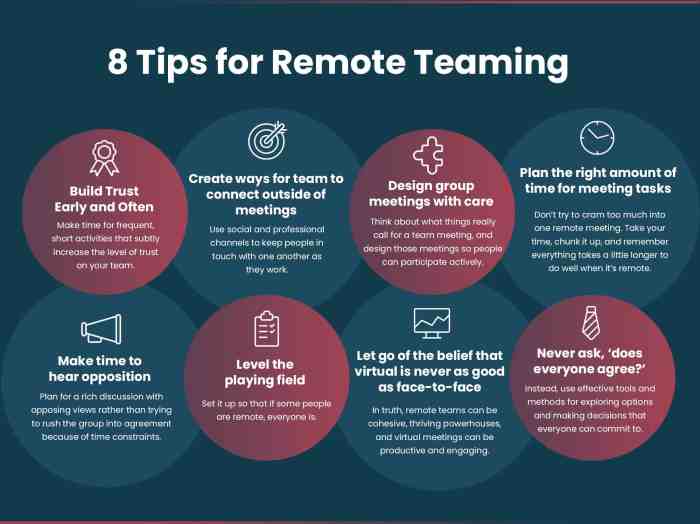
Managing virtual teams is crucial in today’s work environment due to the increasing trend of remote work and globalization. With advances in technology, teams can collaborate from different locations, allowing companies to access a wider talent pool and reduce costs associated with office space.
Increased Productivity with Effective Virtual Team Management
- Clear Communication: Virtual team managers who prioritize effective communication through tools like video conferencing, instant messaging, and project management platforms can ensure that team members are aligned on goals and tasks.
- Flexibility: By allowing team members to work in a way that suits their schedules and preferences, virtual team management can lead to increased productivity as employees are more motivated and engaged.
- Global Talent Access: Virtual teams enable companies to tap into a diverse range of skills and perspectives from around the world, leading to innovation and better problem-solving.
Challenges in Virtual Team Management
- Time Zone Differences: Coordinating team meetings and deadlines across different time zones can be a challenge and may require flexible scheduling and efficient communication.
- Building Trust: Without face-to-face interactions, virtual team managers need to work harder to build trust among team members, which is crucial for effective collaboration.
- Monitoring Performance: Ensuring that team members are productive and accountable in a virtual setting can be challenging without the ability to physically observe their work.
Impact of Successful Virtual Team Management on Employee Satisfaction and Retention
- Increased Satisfaction: When virtual team members feel supported, engaged, and connected to their colleagues, they are more likely to be satisfied with their work and the company.
- Improved Retention: Effective virtual team management can lead to higher employee retention rates as team members feel valued, motivated, and part of a cohesive team despite physical distance.
- Work-Life Balance: Virtual teams often offer greater flexibility, allowing employees to better balance their work and personal lives, leading to improved job satisfaction and retention.
Communication Strategies

Effective communication is crucial for the success of virtual teams. Without face-to-face interactions, team members must rely on various communication tools and platforms to collaborate efficiently. Establishing clear communication protocols and ensuring effective communication among remote team members are key factors in managing a virtual team.
Different Communication Tools and Platforms
- Video Conferencing: Platforms like Zoom, Microsoft Teams, and Google Meet allow for virtual face-to-face meetings, fostering a sense of connection among team members.
- Instant Messaging: Tools such as Slack and Microsoft Teams enable quick messaging for real-time communication and collaboration.
- Project Management Software: Platforms like Asana, Trello, and Jira help in organizing tasks, setting deadlines, and tracking progress, keeping team members aligned.
- Email: Despite being traditional, email remains a reliable method for formal communication, sharing updates, and document exchange.
Importance of Establishing Clear Communication Protocols
Clear communication protocols help in setting expectations, defining roles, and ensuring everyone is on the same page within a virtual team. It minimizes confusion, misunderstandings, and delays, leading to improved productivity and teamwork.
Successful project management is crucial for the timely and efficient completion of any project. By implementing the right strategies for successful project management , such as clear goal-setting, effective communication, and risk management, organizations can ensure project success.
Tips for Effective Communication Among Remote Team Members
- Set Regular Check-Ins: Schedule daily or weekly meetings to discuss progress, challenges, and goals, fostering open communication.
- Use Visual Aids: Incorporate visuals like charts, graphs, and diagrams to enhance understanding, especially in complex discussions.
- Establish Communication Norms: Define response times, preferred communication channels, and etiquette guidelines to streamline interactions.
- Encourage Feedback: Create a culture where team members feel comfortable providing feedback, suggestions, and sharing concerns openly.
- Clarify Expectations: Clearly communicate roles, responsibilities, and deadlines to avoid misunderstandings and ensure accountability.
Building Trust and Team Cohesion
Building trust and fostering team cohesion are crucial aspects of managing a virtual team effectively. Without the physical presence and face-to-face interactions, team members can often feel isolated or disconnected. Here are some strategies to promote trust and build strong relationships within a virtual team.
Regular Check-ins and Communication
Effective communication is key to establishing trust within a virtual team. Encourage regular check-ins through video calls, messaging platforms, or virtual meetings. This helps team members feel connected and informed about ongoing projects and developments.
- Set up weekly team meetings to discuss progress, challenges, and goals.
- Use messaging platforms for quick updates and to facilitate informal conversations.
- Encourage team members to share updates on their work and engage in open discussions.
Team-Building Activities
Virtual team-building activities are essential for fostering trust and building relationships among team members. These activities can range from virtual coffee breaks to online team games or collaborative projects. By engaging in such activities, team members can get to know each other on a personal level, leading to stronger bonds and increased trust.
- Organize virtual team-building events like online trivia nights or virtual escape rooms.
- Create opportunities for team members to share personal stories or interests outside of work.
- Encourage collaboration on non-work-related projects to promote teamwork and camaraderie.
Transparency and Accountability
Transparency is essential for building trust within a virtual team. Ensure that goals, expectations, and responsibilities are clearly communicated to all team members. Encourage open dialogue and feedback to foster a culture of trust and accountability.
- Share project timelines, objectives, and progress updates with the team regularly.
- Discuss any challenges or obstacles openly and work together to find solutions.
- Hold team members accountable for their responsibilities and celebrate achievements together.
Building trust within a virtual team not only enhances collaboration but also boosts productivity and morale. By implementing these strategies and promoting open communication, team leaders can create a cohesive and high-performing virtual team environment.
Setting Goals and Expectations
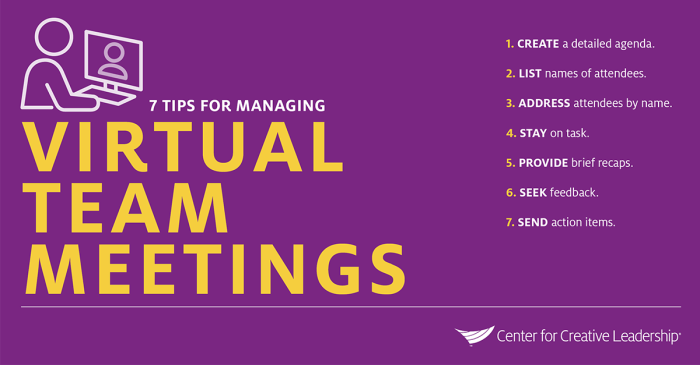
Setting clear goals and expectations is crucial for the success of a virtual team. It provides direction, clarity, and accountability for team members, ensuring everyone is on the same page and working towards a common objective.
Importance of Regular Goal Setting and Performance Evaluations
Regular goal setting and performance evaluations are essential in a virtual team to monitor progress, identify any challenges, and make necessary adjustments. This process helps team members stay motivated, focused, and aligned with the team’s goals.
- Establish a regular schedule for goal setting and performance evaluations to keep everyone on track and accountable.
- Encourage open communication during evaluations to address any issues or concerns promptly.
- Use key performance indicators (KPIs) to measure progress and determine if goals are being met effectively.
- Provide constructive feedback and recognition to motivate team members and improve performance.
Best Practices for Aligning Individual Goals with Team Objectives
Aligning individual goals with the overall objectives of the virtual team is essential to ensure cohesion and collaboration among team members.
- Clearly communicate the team’s goals and objectives to each team member to foster a shared understanding of priorities.
- Encourage team members to set their own goals that contribute to the team’s success while aligning with their individual strengths and skills.
- Regularly review individual goals and provide support or resources to help team members achieve them.
- Recognize and reward achievements that contribute to both individual and team goals to maintain motivation and engagement.
Managing Performance and Accountability
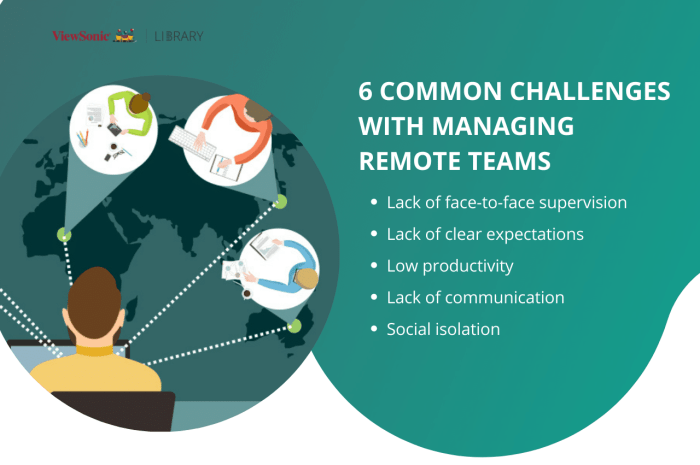
Effective management of performance and accountability is crucial when leading a virtual team. It involves tracking and evaluating the performance of remote team members, creating accountability structures, motivating team members, and recognizing their contributions in a virtual work environment.
Strategies for Tracking and Evaluating Performance
- Establish clear performance metrics: Define key performance indicators (KPIs) for each team member to measure their progress and success.
- Utilize performance management tools: Implement software or platforms that allow for real-time tracking of tasks, deadlines, and overall performance.
- Regular check-ins and feedback sessions: Schedule frequent one-on-one meetings to discuss progress, provide feedback, and address any challenges or concerns.
Importance of Creating Accountability Structures
- Set clear expectations: Clearly communicate roles, responsibilities, and goals to ensure that team members understand what is expected of them.
- Establish deadlines and milestones: Create a timeline with specific deadlines and milestones to keep team members accountable and on track.
- Encourage transparency: Foster an environment where team members feel comfortable sharing progress, challenges, and successes openly.
Tips on Motivating Team Members and Recognizing Contributions, Strategies for managing a virtual team
- Provide regular feedback and recognition: Acknowledge team members’ efforts and achievements to boost morale and motivation.
- Offer incentives and rewards: Implement rewards or recognition programs to incentivize high performance and encourage team members to excel.
- Promote teamwork and collaboration: Encourage team members to support each other, share knowledge, and collaborate on projects to enhance team cohesion and motivation.
Closing Summary: Strategies For Managing A Virtual Team
In conclusion, implementing effective strategies for managing a virtual team is essential for success in a remote work environment. By fostering trust, clear communication, and setting goals, virtual teams can thrive and achieve their objectives seamlessly.
Expanding a business globally requires specific strategies for scaling a business globally. These include market research, adapting to cultural differences, and building strong partnerships to navigate international markets successfully.
Artificial Intelligence plays a significant role in streamlining business processes. AI technologies can automate repetitive tasks, analyze data for insights, and enhance decision-making processes, leading to increased efficiency and productivity in organizations.
