
Strategies for scaling a business globally encompass a crucial aspect of international business growth, tackling challenges and essential considerations to ensure successful expansion on a global scale. Dive into the strategies and insights that pave the way for sustainable global business growth.
Strategies for Scaling a Business Globally
Scaling a business globally refers to the process of expanding operations and reaching out to customers in different countries or regions beyond the domestic market. This strategic move aims to increase market share, revenue, and brand presence on a global scale.


Key Challenges in Global Expansion
When businesses decide to expand globally, they often face several challenges that can hinder their success. These challenges include:
- Lack of understanding of local market dynamics and regulations
- Currency exchange rate fluctuations impacting financial stability
- Cultural differences affecting communication and marketing strategies
- Logistical issues in supply chain management and distribution
- Competitive landscape in new markets
Importance of Cultural Adaptation
Cultural adaptation is crucial when scaling a business globally as it helps in building trust, fostering relationships, and understanding consumer behavior in different markets. By adapting products, services, and marketing strategies to align with local customs, values, and preferences, businesses can enhance customer engagement and loyalty.
Role of Technology in Global Business Expansion
Technology plays a vital role in facilitating global business expansion by:
- Enabling digital marketing strategies to reach a wider audience
- Improving communication and collaboration with international teams and partners
- Automating processes for efficient operations and scalability
- Providing data analytics for informed decision-making and market insights
Market Research and Analysis
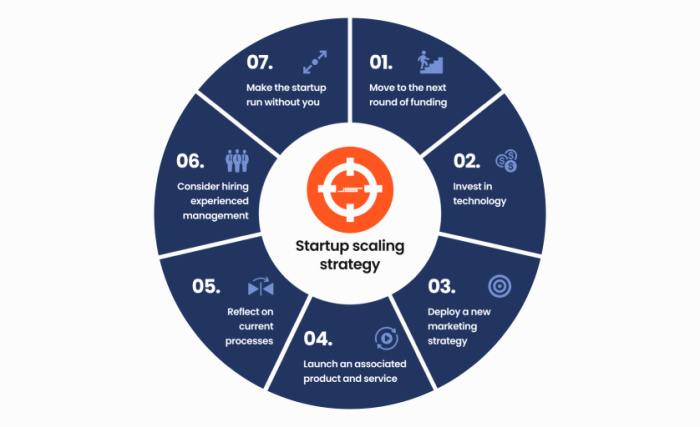
Market research is a critical component for any business looking to scale globally. It helps companies understand the dynamics of new markets, identify potential customers, and uncover competitors’ strategies. By conducting thorough market research, businesses can make informed decisions and mitigate risks associated with entering foreign markets.
Significance of Market Research Before Global Expansion
Market research before global expansion is crucial as it provides valuable insights into the target market, consumer behavior, cultural differences, regulatory requirements, and competitive landscape. This information helps businesses tailor their products or services to meet the specific needs of the new market, reducing the likelihood of failure and increasing the chances of success.
- Conducting surveys, focus groups, and interviews with potential customers
- Analyzing existing data and reports on the target market
- Utilizing online tools and platforms to gather market intelligence
Methods for Analyzing International Markets
Analyzing international markets requires a combination of qualitative and quantitative methods to understand the market size, growth potential, consumer preferences, and competitive forces. Some common methods include:
- PESTEL analysis to assess political, economic, social, technological, environmental, and legal factors impacting the market
- SWOT analysis to identify strengths, weaknesses, opportunities, and threats in the target market
- Market segmentation to divide the market into distinct groups based on demographics, psychographics, or behavior
Comparison of Market Research Tools for Global Scaling
There are various market research tools available for businesses looking to scale globally, each with its own strengths and limitations. Some popular tools include:
Market research reports from reputable firms like Euromonitor International or Nielsen
- Competitor analysis tools such as SEMrush or SimilarWeb
- Social media monitoring tools like Brandwatch or Hootsuite
- Primary research methods like surveys, interviews, and focus groups
Examples of Successful Global Businesses Leveraging Market Analysis
Several successful global businesses have leveraged market analysis to drive growth and expansion. For instance, Apple conducted extensive market research before entering new markets, allowing them to tailor their products to local preferences and gain a competitive edge. Similarly, Amazon used data analytics and market research to understand consumer behavior and optimize its e-commerce platform for global markets, leading to its widespread success worldwide.
Legal and Regulatory Considerations: Strategies For Scaling A Business Globally

Understanding international laws and regulations is crucial for businesses looking to scale globally. It helps ensure compliance, mitigate risks, and build a solid foundation for expansion into new markets.
Common Legal Challenges
- Lack of familiarity with local laws: Businesses often face challenges due to differences in legal systems, regulations, and business practices across countries.
- Intellectual property protection: Protecting trademarks, copyrights, and patents can be complex in different jurisdictions, leading to risks of infringement.
- Data privacy and security: Regulations like GDPR in Europe or CCPA in the U.S. require businesses to adhere to strict data protection standards, posing challenges for global operations.
- Ethical and cultural considerations: Businesses must navigate cultural differences and ethical standards, ensuring compliance with local norms and practices.
Key Differences in Regulations
| Aspect | Regulatory Differences |
|---|---|
| Labor laws | Vary significantly in terms of working hours, wages, benefits, and termination procedures. |
| Environmental regulations | Differ in terms of emission standards, waste disposal, and sustainability requirements. |
| Taxation | Varies in terms of corporate tax rates, incentives, and reporting requirements. |
Strategies for Navigating Legal Environments
- Conduct thorough research: Understand the legal landscape of target markets, seek legal counsel, and stay updated on regulatory changes.
- Establish strong compliance programs: Implement robust compliance policies, train employees, and monitor adherence to regulations.
- Build local partnerships: Collaborate with local experts, legal advisors, and industry associations to navigate complex legal environments.
- Customize strategies: Tailor legal approaches to specific markets, considering cultural, political, and legal nuances for effective compliance.
Building a Global Team

Building a diverse and inclusive global team is crucial for the success of a business operating on a global scale. A team with a variety of perspectives, experiences, and cultural backgrounds can bring different ideas to the table, leading to innovation and creativity.
Importance of Diversity and Inclusion, Strategies for scaling a business globally
Having a diverse and inclusive team can help in understanding and catering to the needs of a global customer base. It also enhances problem-solving abilities and promotes a positive work culture.
Strategies for Recruiting Top Talent
- Utilize global recruitment platforms and networks to reach potential candidates from different countries.
- Partner with local recruitment agencies or professionals who have a deep understanding of the local talent pool.
- Offer competitive compensation packages and opportunities for career growth to attract top talent.
Fostering Effective Communication and Collaboration
Effective communication is key in a global team to ensure everyone is on the same page. Utilize tools like video conferencing, project management software, and instant messaging to facilitate communication.
Employee productivity is key to business success, and finding innovative ways to improve it can lead to better efficiency and profitability. Implementing strategies such as flexible work arrangements and employee recognition programs can boost productivity levels. Discover more innovative ways to enhance employee productivity by visiting Innovative ways to improve employee productivity.
Examples of Companies with Successful Global Teams
One example is Google, known for its diverse workforce and inclusive culture. Google promotes collaboration through open workspaces and encourages employees to share ideas across teams. Another example is Unilever, which focuses on diversity and inclusion to drive innovation and growth.
Research has shown that the impact of social media on business growth is significant. Businesses that effectively utilize social media platforms can experience increased brand awareness, customer engagement, and sales. To learn more about how social media can benefit your business growth, you can refer to this insightful article on The impact of social media on business growth.
Marketing and Branding Strategies
Marketing and branding strategies play a crucial role in the success of scaling a business globally. These strategies need to consider cultural differences, localization, global campaigns, and maintaining a consistent brand image across diverse markets.
Cultural Impact on Marketing Strategies
When expanding globally, it’s essential to understand how cultural differences can impact marketing strategies in different regions. Cultural nuances such as language, values, traditions, and consumer behaviors need to be considered when developing marketing campaigns to ensure they resonate with the target audience.
When starting a new business, understanding the legal requirements is crucial for compliance and success. From business registration to tax obligations, entrepreneurs must navigate through various legal aspects. For detailed information on the legal requirements for starting a new business, you can explore this comprehensive guide at Legal requirements for starting a new business.
Role of Localization in Global Branding
- Localization involves adapting marketing strategies, messaging, and branding efforts to suit the specific needs and preferences of a particular region or market.
- By localizing marketing content, businesses can build trust with local consumers, improve brand perception, and increase the likelihood of success in new markets.
- Brands that effectively localize their strategies are more likely to connect with customers on a deeper level and establish a strong presence in global markets.
Innovative Global Marketing Campaigns
- Coca-Cola’s “Share a Coke” campaign personalized their product by printing popular names on bottles, creating a sense of connection with consumers worldwide.
- Apple’s “Shot on iPhone” campaign showcased user-generated content from around the world, highlighting the quality of iPhone cameras and appealing to a global audience.
- Nike’s “Just Do It” campaign featuring athletes from diverse backgrounds resonated globally by promoting empowerment and determination across cultures.
Tips for Consistent Brand Image
- Develop a brand style guide that Artikels the visual elements, messaging tone, and brand values to maintain consistency across all marketing materials.
- Ensure all marketing campaigns are aligned with the brand’s core values and mission, regardless of the target market or region.
- Regularly monitor and analyze customer feedback and market trends to adapt marketing strategies while staying true to the brand’s identity.
Financial Planning and Management
In order to successfully scale a business globally, it is crucial to have a solid financial plan in place. This involves considering various financial aspects such as currency fluctuations, international transactions, and key financial metrics to track during expansion.
Financial Considerations in Scaling Globally
When expanding globally, businesses need to consider several financial factors. One of the main considerations is the cost of scaling, which includes expenses related to setting up operations in new markets, hiring local talent, and complying with international regulations. Companies also need to account for currency fluctuations, as exchange rate changes can impact revenues and expenses. Additionally, businesses must ensure they have access to capital to fund their expansion efforts and manage cash flow effectively across different markets.
Strategies for Managing Currency Fluctuations and International Transactions
To mitigate the risks associated with currency fluctuations, businesses can use hedging strategies to protect against adverse exchange rate movements. For international transactions, companies can consider using multi-currency accounts to minimize conversion fees and streamline payments. It is also important to closely monitor exchange rate trends and adjust pricing strategies accordingly to account for currency fluctuations.
Key Financial Metrics to Track During Global Expansion
During global expansion, businesses should track key financial metrics to assess the performance of their international operations. Some important metrics to monitor include revenue growth in new markets, profitability margins, operating expenses, cash flow, and return on investment (ROI) from global expansion initiatives. By closely monitoring these metrics, companies can make informed decisions and adjust their strategies to ensure financial success.
Examples of Businesses Effectively Managing Finances While Scaling Globally
One example of a company that effectively managed its finances during global expansion is Airbnb. The company carefully monitored its cash flow and implemented pricing strategies to account for currency fluctuations in different markets. Airbnb also diversified its funding sources and secured strategic partnerships to support its international growth. Another example is Netflix, which successfully expanded its streaming services globally by investing in content localization, managing currency risks, and optimizing subscription pricing based on market demand.
Last Word
In conclusion, mastering the art of scaling a business globally requires a blend of strategic planning, cultural awareness, legal acumen, team dynamics, marketing finesse, and financial savvy. By implementing the right strategies and leveraging the best practices, businesses can navigate the complexities of global expansion with confidence and success.
