
The art of strategic planning for long-term success sets the stage for this enthralling narrative, offering readers a glimpse into a story that is rich in detail with research style and brimming with originality from the outset.
Understanding Strategic Planning
Strategic planning is the process of setting goals, determining actions to achieve those goals, and mobilizing resources to execute the actions effectively. It involves analyzing the current situation, anticipating future trends, and making decisions to position an organization for long-term success.





Importance of Strategic Planning
Strategic planning is crucial for long-term success as it provides a roadmap for the organization to follow. By aligning objectives with resources and capabilities, strategic planning helps in maximizing efficiency and effectiveness. It also enables proactive decision-making, adaptability to changing market conditions, and fosters a culture of innovation within the organization.
- One example of successful strategic planning is Apple Inc. The company’s focus on innovation, product differentiation, and customer experience has allowed it to maintain a competitive edge in the technology industry.
- Another example is Toyota’s strategic shift towards sustainable practices and electric vehicles. This move has not only helped the company stay ahead in the automotive industry but also contributed to its long-term growth and sustainability.
- Amazon’s strategic planning to diversify its business lines, invest in technology, and expand globally has propelled the company to become a dominant player in e-commerce, cloud computing, and digital streaming services.
Key Components of Strategic Planning
Strategic planning is a crucial process for organizations to set goals, make decisions, allocate resources, and ultimately achieve long-term success. The key components that make up a strategic plan work together to provide a roadmap for the future and ensure that the organization stays on track to achieve its objectives.
1. Mission Statement
A mission statement defines the organization’s purpose, values, and goals. It serves as a guiding principle for decision-making and helps stakeholders understand the organization’s core identity. By clearly articulating the mission, organizations can align their actions with their overall objectives, contributing to the success of the strategic plan.
2. Vision Statement
A vision statement Artikels the organization’s aspirations and long-term goals. It provides a clear picture of what the organization aims to achieve in the future, inspiring stakeholders and guiding strategic decisions. The vision statement motivates employees, customers, and other stakeholders to work towards a common goal, driving the success of the strategic plan.
3. SWOT Analysis
A SWOT analysis identifies the organization’s strengths, weaknesses, opportunities, and threats. By assessing internal capabilities and external factors, organizations can develop strategies to capitalize on strengths, address weaknesses, take advantage of opportunities, and mitigate threats. The insights gained from a SWOT analysis inform decision-making and help organizations navigate challenges, contributing to the overall success of the strategic plan.
4. Goals and Objectives
Goals and objectives define specific, measurable targets that the organization aims to achieve within a certain timeframe. Setting clear goals and objectives provides direction and focus, guiding the allocation of resources and efforts towards strategic priorities. By establishing achievable milestones, organizations can track progress, evaluate performance, and adjust strategies as needed to ensure the success of the strategic plan.
5. Action Plan, The art of strategic planning for long-term success
An action plan Artikels the tasks, timelines, responsibilities, and resources required to implement the strategic plan. It breaks down strategic objectives into actionable steps, ensuring that initiatives are executed effectively and efficiently. By detailing the specific actions needed to achieve goals, organizations can monitor progress, hold individuals accountable, and make adjustments to stay on course towards long-term success.
6. Monitoring and Evaluation
Monitoring and evaluation involve tracking progress, measuring performance, and assessing the impact of the strategic plan. By collecting data, analyzing results, and identifying key performance indicators, organizations can evaluate the effectiveness of their strategies and make informed decisions to improve outcomes. Monitoring and evaluation ensure that the strategic plan remains relevant, adaptive, and aligned with changing circumstances, supporting the overall success of the plan.
Developing a Strategic Vision: The Art Of Strategic Planning For Long-term Success
A strategic vision is a broad, overarching idea of where an organization wants to go in the future. It serves as a guiding light for decision-making and goal-setting within the organization. Unlike goals and objectives, which are specific, measurable targets, a strategic vision is more abstract and long-term in nature.
Strategies for Developing a Compelling and Effective Strategic Vision
Developing a compelling and effective strategic vision requires a deep understanding of the organization’s values, purpose, and long-term aspirations. Here are some strategies to consider:
- Engage stakeholders: Involving key stakeholders in the visioning process can help ensure buy-in and alignment throughout the organization.
- Look to the future: Consider trends, market forces, and potential disruptions that may impact the organization in the long term.
- Be bold and inspiring: A strategic vision should be ambitious and inspiring, motivating employees and rallying them around a common goal.
- Ensure alignment: The vision should be aligned with the organization’s mission, values, and core competencies to ensure feasibility and sustainability.
- Communicate effectively: Regularly communicate the vision to employees, customers, and other stakeholders to keep them engaged and informed.
Examples of Companies with Strong Strategic Visions
One example of a company with a strong strategic vision is Apple. Their vision to “make the best products on earth” has guided their product development and innovation efforts, leading to the creation of iconic products like the iPhone and iPad. This focus on excellence and innovation has been a key driver of Apple’s long-term success.
Another example is Google, whose vision to “organize the world’s information and make it universally accessible and useful” has shaped their product offerings and expansion into various technology sectors. This clear and ambitious vision has helped Google maintain its position as a leader in the tech industry.
Overall, developing a strategic vision is essential for organizations to navigate the complexities of the business environment and achieve long-term success.
Long-Term Goal Setting
Setting long-term goals is a crucial aspect of strategic planning as it provides direction, focus, and a roadmap for the organization to achieve sustainable success over an extended period. Long-term goals help in defining the overall vision and mission of the organization and serve as a guiding light for decision-making and resource allocation.
Importance of Setting Long-Term Goals
- Long-term goals provide clarity and direction to the organization, ensuring that all efforts are aligned towards a common objective.
- Setting long-term goals helps in prioritizing tasks and activities, enabling efficient resource utilization and maximizing productivity.
- Long-term goals create a sense of purpose and motivation among employees, fostering a culture of commitment and dedication.
- Having clear long-term goals facilitates better evaluation of progress and performance, enabling timely adjustments and interventions if needed.
Process of Setting Achievable and Measurable Long-Term Goals
- Define the overarching vision and mission of the organization to ensure that long-term goals are in line with the strategic direction.
- Break down the long-term goals into smaller, manageable objectives with specific timelines and milestones to track progress.
- Ensure that the long-term goals are SMART – Specific, Measurable, Achievable, Relevant, and Time-bound to enhance accountability and clarity.
- Engage stakeholders and key decision-makers in the goal-setting process to gain buy-in and alignment across the organization.
Alignment of Long-Term Goal Setting with Strategic Plan
- Long-term goal setting should be integrated into the overall strategic plan of the organization to ensure coherence and consistency in actions and initiatives.
- Aligning long-term goals with the strategic plan helps in prioritizing initiatives, allocating resources effectively, and monitoring progress towards the desired outcomes.
- Long-term goal setting provides a roadmap for achieving the strategic objectives and enables the organization to stay focused on its long-term vision amidst changing circumstances.
- Regularly review and revise long-term goals to adapt to evolving market dynamics, technological advancements, and other external factors that may impact the organization’s strategic direction.
Environmental Analysis
Environmental analysis is a crucial component of strategic planning as it involves evaluating the internal and external factors that can impact an organization’s ability to achieve its long-term goals. By conducting a thorough environmental analysis, businesses can identify opportunities and threats, anticipate changes in the market, and make informed decisions to stay competitive and successful in the long run.
Methods for Analyzing Internal and External Environments
Internal Environment Analysis:
- SWOT Analysis: This method involves identifying the organization’s strengths, weaknesses, opportunities, and threats to determine its current position and potential for growth.
- Resource Audit: Evaluating the company’s resources, capabilities, and core competencies to understand its competitive advantage and areas for improvement.
- Value Chain Analysis: Examining the primary and support activities within the organization to identify areas of efficiency and opportunities for cost reduction or differentiation.
External Environment Analysis:
- PESTEL Analysis: Assessing the political, economic, social, technological, environmental, and legal factors that can impact the business environment and influence strategic decisions.
- Porter’s Five Forces: Analyzing the competitive forces in the industry, including the threat of new entrants, bargaining power of buyers and suppliers, threat of substitutes, and competitive rivalry.
- Competitor Analysis: Studying the strengths, weaknesses, strategies, and market position of competitors to identify opportunities for differentiation and competitive advantage.
Influence of Environmental Analysis on Strategic Decision-Making
Environmental analysis plays a vital role in shaping strategic decisions for long-term success by providing valuable insights and data to guide the planning process. For example, if a SWOT analysis reveals a significant opportunity in a new market segment, the organization may decide to allocate resources towards expanding into that area. Similarly, a PESTEL analysis highlighting upcoming regulatory changes may prompt the company to adjust its operations or policies proactively. By continuously monitoring and analyzing the environment, businesses can adapt their strategies to changing conditions, mitigate risks, and capitalize on emerging trends to achieve sustainable growth and competitive advantage.
Last Recap
The discussion on the art of strategic planning for long-term success culminates in a captivating summary, highlighting the key takeaways and insights shared throughout.
Effective marketing techniques for online businesses play a crucial role in attracting and retaining customers in the digital age. By implementing strategies such as SEO, content marketing, and social media engagement, businesses can effectively reach their target audience and drive sales.
To learn more about these techniques, visit Effective marketing techniques for online businesses.
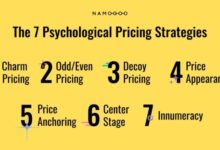
The psychology of pricing strategies delves into the intricate ways in which consumers perceive and respond to different price points. By understanding consumer behavior and applying pricing tactics such as anchoring and decoy pricing, businesses can optimize their pricing strategies for maximum profitability.
For more insights on this topic, check out The psychology of pricing strategies.
Utilizing data analytics for strategic decision-making empowers businesses to make informed and data-driven choices that drive growth and success. By leveraging tools and techniques such as predictive analytics and data visualization, organizations can gain valuable insights into market trends and consumer behavior.
Explore the benefits of data analytics in strategic decision-making at Utilizing data analytics for strategic decision-making.