The future of retail in a digital world is a landscape shaped by technology, innovation, and changing consumer behaviors. As digital advancements continue to revolutionize the retail industry, it is crucial to explore the impact of these changes on how we shop and interact with brands. From personalized experiences to the integration of augmented reality, the possibilities are endless in this dynamic retail environment.
The Impact of Digital Technology on Retail: The Future Of Retail In A Digital World
Digital technology has significantly transformed the retail industry, revolutionizing the way businesses operate and interact with customers. Retailers are leveraging various digital tools and technologies to enhance customer experiences, optimize operations, and stay competitive in the market.
Examples of Innovative Digital Technologies in Retail
- RFID Technology: Radio Frequency Identification (RFID) technology is being used by retailers to track inventory in real-time, improve supply chain management, and reduce stockouts.
- Augmented Reality (AR) and Virtual Reality (VR): Retailers are incorporating AR and VR technologies to offer immersive shopping experiences, allowing customers to visualize products before making a purchase.
- Artificial Intelligence (AI) and Machine Learning: AI-powered chatbots and personalized recommendation systems are helping retailers engage with customers, provide tailored product suggestions, and enhance customer service.
Benefits and Challenges of Incorporating Digital Technology in Retail Stores
- Benefits:
- Enhanced Customer Experience: Digital technology enables retailers to offer personalized shopping experiences, streamline checkout processes, and provide omnichannel shopping options.
- Operational Efficiency: Automation and data analytics tools help retailers optimize inventory management, pricing strategies, and marketing campaigns.
- Competitive Advantage: Adopting digital technologies allows retailers to differentiate themselves in the market, attract tech-savvy customers, and adapt to changing consumer preferences.
- Challenges:
- Implementation Costs: Integrating digital technologies into retail operations can be expensive, requiring investments in infrastructure, training, and ongoing maintenance.
- Data Security and Privacy Concerns: Retailers need to address cybersecurity risks, protect customer data, and comply with regulations to maintain trust and credibility.
- Employee Training and Adaptation: Employees may require training to effectively use new digital tools, leading to resistance or challenges in adopting new technologies.
Omnichannel Retailing
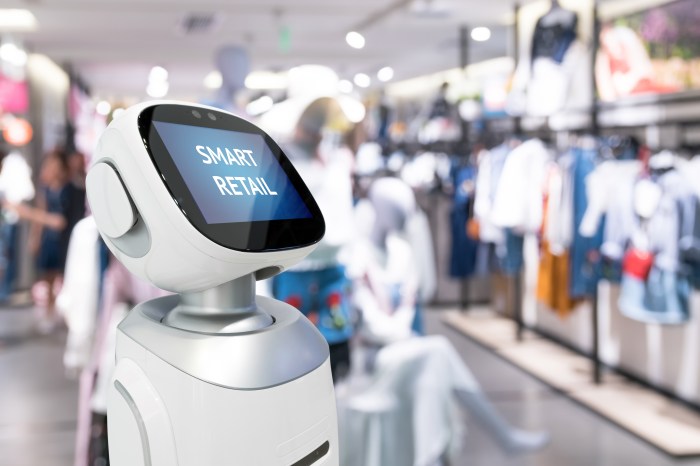
Omnichannel retailing is a strategy that integrates various shopping channels to create a seamless and unified shopping experience for customers. This approach focuses on providing a consistent brand experience across both online and offline channels, allowing customers to interact with a retailer through multiple touchpoints.
Significance of Omnichannel Retailing in the Digital World
Omnichannel retailing is crucial in the digital world as it caters to the changing shopping behaviors of consumers who increasingly expect convenience and personalization. By offering a seamless experience across different channels, retailers can meet customer expectations, enhance brand loyalty, and drive sales.
Comparison with Traditional Retail Models
- Omnichannel retailing focuses on a unified customer experience across multiple channels, while traditional retail models often operate in silos with separate online and offline strategies.
- Traditional retailers may struggle to adapt to changing consumer preferences and digital advancements, whereas omnichannel retailers are agile and responsive to market trends.
- Omnichannel retailing leverages data and technology to personalize customer interactions, whereas traditional retail models may lack the tools for targeted marketing and personalized recommendations.
Examples of Successful Omnichannel Retail Strategies
- Apple: Apple seamlessly integrates its online store, physical stores, and mobile app to provide a consistent shopping experience. Customers can browse products online, make purchases in-store, and access customer support through various channels.
- Starbucks: Starbucks’ mobile app allows customers to order ahead, pay, and earn rewards, creating a seamless experience across digital and physical channels. Customers can customize orders and receive personalized offers based on their preferences.
- Nike: Nike’s omnichannel strategy includes a mobile app, online store, and physical stores. Customers can shop for products, access exclusive content, and participate in events across different channels, creating a cohesive brand experience.
Personalization in Retail
In the digital age, personalized shopping experiences play a crucial role in attracting and retaining customers. Tailoring products, recommendations, and promotions to individual preferences and behaviors can significantly enhance customer satisfaction and loyalty.
The Role of Data Analytics and AI in Personalizing Customer Experiences
Data analytics and artificial intelligence (AI) are instrumental in personalizing customer experiences in retail. By analyzing vast amounts of customer data, such as purchase history, browsing behavior, and demographics, retailers can gain valuable insights into individual preferences and tendencies. AI algorithms can then use this data to create personalized recommendations, offers, and content for each customer, leading to a more engaging and relevant shopping experience.
Companies Excelling in Personalized Retail Experiences
1. Amazon: Amazon’s recommendation engine uses machine learning algorithms to suggest products based on previous purchases, browsing history, and demographic information. This personalized approach has been a key factor in Amazon’s success in e-commerce.
2. Netflix: Netflix leverages data analytics to provide personalized movie and TV show recommendations to its users. By analyzing viewing habits and ratings, Netflix tailors content suggestions to individual preferences, leading to increased user engagement and retention.
3. Starbucks: Starbucks’ mobile app utilizes customer data to offer personalized rewards, promotions, and recommendations. By personalizing the customer experience, Starbucks has been able to strengthen customer loyalty and drive repeat purchases.
Augmented Reality and Virtual Reality in Retail
Augmented Reality (AR) and Virtual Reality (VR) are revolutionizing the retail industry by offering immersive and interactive shopping experiences to consumers. These technologies enable retailers to bridge the gap between the online and physical shopping environments, creating a more engaging and personalized shopping experience for customers.
Implementation of AR and VR in Retail
Retailers are increasingly leveraging AR and VR technology to enhance the way consumers shop. For example, furniture retailers like IKEA and Wayfair offer AR apps that allow customers to visualize how products will look in their own homes before making a purchase. Beauty brands like Sephora use AR technology to enable customers to virtually try on makeup products. Additionally, clothing retailers like Gap and Adidas are using VR technology to create virtual fitting rooms, where customers can try on clothes without physically being in the store.
Future Applications of AR and VR in Retail
The potential applications of AR and VR in the retail industry are vast. In the future, we can expect to see more retailers adopting AR and VR technology to create unique and personalized shopping experiences. For instance, AR and VR can be used to create virtual showrooms, where customers can browse products in a digital space. Retailers can also use AR to provide interactive product information and demonstrations, enhancing the overall shopping experience. Furthermore, VR technology can be utilized for virtual shopping events and exclusive product launches, allowing customers to participate in immersive and engaging experiences from the comfort of their homes.
Overall, AR and VR technology have the potential to transform the way consumers shop and interact with brands, leading to a more immersive and personalized retail experience in the digital age.
Sustainability and Ethical Practices in Retail
Sustainability and ethical practices in retail have become increasingly important in today’s digital world. Consumers are more aware of the environmental and social impact of their purchasing decisions, leading to a growing demand for sustainable and ethically produced products.
Examples of Sustainable Practices in Retail
- Retailers are reducing their carbon footprint by optimizing their supply chain and logistics operations to minimize transportation emissions.
- Many companies are incorporating recycled materials into their products to promote a circular economy and reduce waste.
- Some retailers are investing in renewable energy sources to power their stores and warehouses, decreasing their reliance on fossil fuels.
- Implementing eco-friendly packaging solutions, such as biodegradable or recyclable materials, to reduce environmental impact.
Consumer Preferences for Sustainable Products
- Studies have shown that a significant portion of consumers are willing to pay a premium for products that are environmentally friendly and ethically produced.
- Millennials and Gen Z, in particular, are driving the demand for sustainable products, as they are more conscious of social and environmental issues.
- Transparency in sourcing and production practices is crucial for building consumer trust and loyalty among those who prioritize sustainability.
- Certifications like Fair Trade or Organic can help consumers easily identify products that align with their values and beliefs.
The Role of Social Media in Retail
Social media has revolutionized the way retailers interact with consumers, shaping consumer behavior and influencing retail trends. Retailers are leveraging social media platforms to not only market their products but also engage with customers and drive sales.
Impact of Social Media on Consumer Behavior and Retail Trends, The future of retail in a digital world
- Social media platforms provide a direct channel for retailers to reach their target audience and influence their purchasing decisions.
- Consumers today rely on social media for product recommendations, reviews, and to stay updated on the latest trends in the retail industry.
- The real-time nature of social media allows retailers to respond quickly to customer queries, concerns, and feedback, enhancing customer satisfaction and loyalty.
- Social media also fosters a sense of community among consumers, enabling retailers to create personalized experiences and build brand loyalty.
How Retailers Use Social Media for Marketing, Customer Engagement, and Sales
- Retailers utilize social media channels to showcase their products, run targeted advertising campaigns, and drive traffic to their online and offline stores.
- Social media platforms enable retailers to engage with customers through interactive content, contests, and influencer collaborations, creating a more personalized and immersive shopping experience.
- By analyzing social media data and consumer interactions, retailers can gain valuable insights into consumer preferences and behavior, allowing them to tailor their marketing strategies and product offerings accordingly.
- Social media also serves as a powerful sales channel for retailers, with features like shoppable posts and direct messaging capabilities enabling seamless transactions and customer support.
Examples of Successful Social Media Campaigns by Retail Brands
- Starbucks’ #RedCupContest encouraged customers to share photos of their holiday-themed cups on social media, generating user-generated content and increasing brand awareness.
- Sephora’s Beauty Insider Community on Instagram and Facebook fosters engagement among beauty enthusiasts, providing a platform for product reviews, tutorials, and discussions.
- Nike’s #YouCantStopUs campaign on Twitter and Instagram celebrated the power of sport and unity, resonating with audiences worldwide and driving brand engagement.
- Amazon’s Prime Day event leverages social media to create buzz and anticipation around exclusive deals, driving traffic to the e-commerce platform and boosting sales.
Outcome Summary
In conclusion, the future of retail in a digital world holds a promise of exciting developments, challenging traditional norms, and redefining the shopping experience as we know it. As technology continues to evolve, retailers must adapt and embrace these changes to stay ahead in a competitive market driven by digital innovation.
Customer feedback plays a crucial role in business improvement as it provides valuable insights into customers’ preferences and satisfaction levels. By actively seeking and analyzing feedback, businesses can identify areas for enhancement and tailor their products or services to meet customer needs.
Utilizing tools like surveys and reviews can help businesses gather feedback efficiently. For more information on the importance of customer feedback for business improvement, please visit Importance of customer feedback for business improvement.
Data analytics is essential for strategic decision-making in today’s competitive business landscape. By leveraging data-driven insights, businesses can make informed decisions that drive growth and profitability. Analyzing trends, patterns, and customer behavior can help businesses identify opportunities and optimize their strategies.
To learn more about utilizing data analytics for strategic decision-making, visit Utilizing data analytics for strategic decision-making.
Scaling a business globally requires careful planning and strategic implementation. Businesses need to consider factors like market research, cultural differences, and legal regulations when expanding into new markets. Developing a solid growth strategy and establishing strong partnerships can help businesses navigate the challenges of global expansion successfully.
To explore strategies for scaling a business globally, check out Strategies for scaling a business globally.
