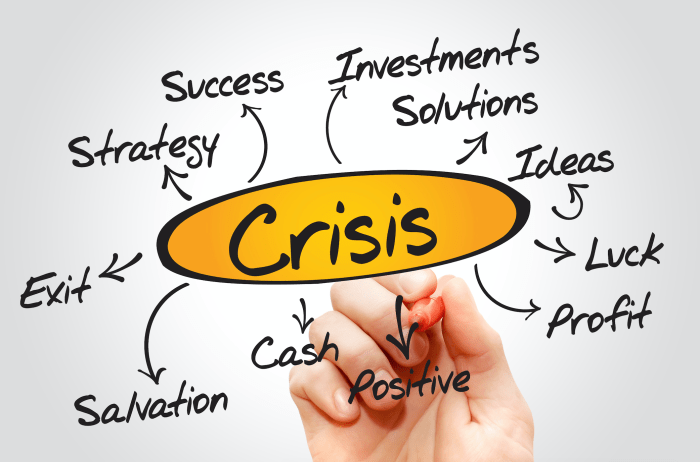
Tips for effective crisis management in businesses: A Comprehensive Guide sets the stage for understanding the crucial strategies needed to navigate through challenging times in the corporate world. From crisis response to communication and transparency, this guide offers valuable insights for businesses seeking to thrive amidst adversity.
Understanding Crisis Management
Crisis management in businesses refers to the process of preparing for, responding to, and recovering from a crisis or unexpected event that could potentially harm the organization’s reputation, operations, or stakeholders. It involves identifying potential risks, developing strategies to mitigate these risks, and implementing a plan to effectively manage the crisis when it occurs.
Importance of Having a Crisis Management Plan
Having a crisis management plan in place is crucial for businesses to navigate through challenging situations. It allows organizations to respond swiftly and efficiently, minimizing the impact of the crisis on their operations, brand image, and stakeholders. By having a well-defined plan, businesses can demonstrate transparency, accountability, and resilience in the face of adversity.
- Preparedness: A crisis management plan helps businesses anticipate potential risks and develop proactive strategies to address them before they escalate.
- Reputation Management: Effective crisis management can protect a company’s reputation and maintain the trust of customers, employees, and other stakeholders.
- Operational Continuity: With a crisis management plan in place, businesses can ensure continuity of operations and minimize disruptions during a crisis.
“Failing to plan is planning to fail.” – Alan Lakein
Benefits of Effective Crisis Management for Businesses, Tips for effective crisis management in businesses
- Enhanced Resilience: Businesses that have effective crisis management strategies in place are better equipped to bounce back from adversity and emerge stronger.
- Competitive Advantage: Handling crises adeptly can set businesses apart from their competitors and showcase their ability to manage challenges effectively.
- Stakeholder Confidence: By demonstrating a proactive approach to crisis management, businesses can instill confidence in their stakeholders and maintain strong relationships.
Developing a Crisis Management Plan
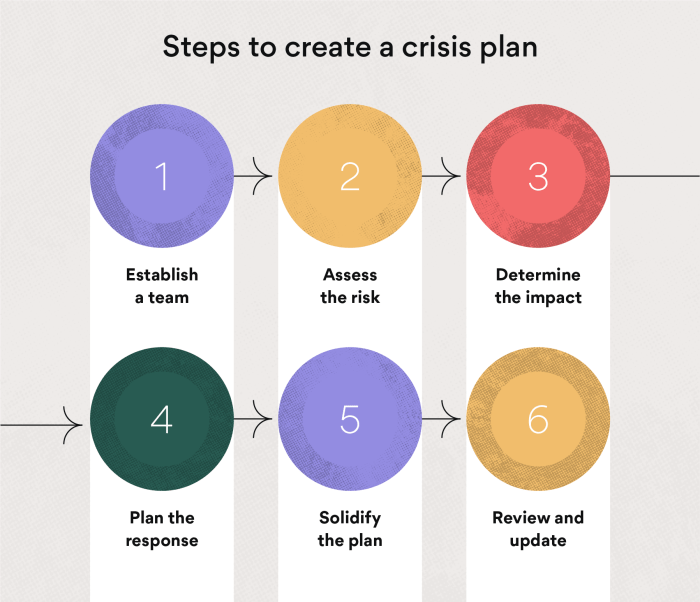
During times of crisis, having a well-thought-out crisis management plan is crucial for businesses to navigate through challenges effectively. This plan Artikels the strategies and actions to be taken to minimize the impact of a crisis on the organization’s reputation, operations, and stakeholders.
Key Components of a Crisis Management Plan
- Establishing a Crisis Management Team: Designate key individuals responsible for decision-making, communication, and implementation of the plan.
- Risk Assessment: Identify potential risks and vulnerabilities that could lead to a crisis and prioritize them based on severity and likelihood.
- Response Protocols: Develop clear guidelines and procedures for responding to different types of crises, including communication strategies, resource allocation, and escalation processes.
- Communication Plan: Define how internal and external communication will be managed during a crisis, including spokespersons, messaging, channels, and frequency of updates.
- Training and Drills: Conduct regular training sessions and crisis simulations to ensure that all team members are familiar with their roles and responsibilities.
- Monitoring and Evaluation: Establish mechanisms for monitoring the effectiveness of the plan, collecting feedback, and making necessary adjustments for continuous improvement.
Identifying Potential Crises
Identifying potential crises requires a proactive approach to anticipate and mitigate risks before they escalate. Here are steps to help businesses identify potential crises:
- Conduct a Risk Assessment: Evaluate internal and external factors that could pose threats to the organization, such as operational, financial, legal, or reputational risks.
- Monitor Industry Trends: Stay informed about industry developments, regulatory changes, and emerging issues that could impact the business.
- Engage Stakeholders: Seek input from employees, customers, suppliers, and other key stakeholders to identify potential concerns and vulnerabilities.
- Scenario Planning: Develop hypothetical scenarios to simulate potential crisis situations and assess the organization’s readiness to respond effectively.
Creating a Communication Strategy
Effective communication is essential during a crisis to provide accurate information, maintain stakeholder trust, and manage the organization’s reputation. Here are steps to create a communication strategy within the crisis management plan:
- Identify Key Messages: Define the key messages that need to be communicated to different stakeholders, including the media, employees, customers, and the public.
- Select Communication Channels: Determine the most appropriate channels for delivering messages, such as press releases, social media, websites, or direct emails.
- Establish Spokespersons: Designate trained spokespersons who will represent the organization and deliver consistent messages to the media and other stakeholders.
- Develop Response Templates: Prepare pre-approved templates for different crisis scenarios to ensure timely and consistent communication during high-pressure situations.
- Monitor and Adjust: Continuously monitor feedback and responses to communication efforts, and be ready to adjust the strategy based on changing circumstances and stakeholder needs.
Crisis Response Strategies
In times of crisis, businesses need to have effective response strategies in place to mitigate the impact and navigate through the challenges they face. Responding promptly and decisively can make a significant difference in how a crisis unfolds and its ultimate outcome.
Reacting to a crisis can vary depending on the nature of the situation and the organization’s preparedness. Businesses can employ different response strategies, including reactive and proactive approaches. Let’s delve into the comparison between these two approaches and best practices for adapting crisis response strategies to different types of crises.
Reactive vs. Proactive Approaches
Reacting to a crisis in a reactive manner involves responding to the situation as it unfolds, often without much pre-planning. This approach may be necessary when a crisis is unexpected or sudden. On the other hand, a proactive approach involves anticipating potential crises, preparing in advance, and having strategies in place to address them effectively. Proactive crisis management allows businesses to have a better grip on the situation and potentially minimize the impact of a crisis.
- Reactive approach: Businesses react to a crisis as it occurs, without prior planning.
- Proactive approach: Businesses anticipate potential crises, prepare in advance, and have strategies ready to implement.
It is essential for businesses to strike a balance between reactive and proactive approaches to crisis response, depending on the nature of the crisis and the organization’s capabilities.
Adapting Crisis Response Strategies
Different types of crises require tailored response strategies to address the specific challenges they present. For instance, a financial crisis may necessitate a different response strategy compared to a public relations crisis. It is crucial for businesses to adapt their crisis response strategies based on the nature of the crisis to effectively manage and mitigate its impact.
- Financial crisis: Focus on financial stability, cost-cutting measures, and communication with stakeholders.
- Public relations crisis: Swift communication, transparency, and reputation management are key in addressing a public relations crisis.
By understanding the nature of the crisis and tailoring response strategies accordingly, businesses can navigate through challenging times more effectively and protect their reputation and operations.
Communication and Transparency
Effective communication and transparency are crucial components of crisis management in businesses. During a crisis, stakeholders look to organizations for updates, reassurance, and guidance. Maintaining open lines of communication and being transparent can help build trust, manage expectations, and mitigate the impact of the crisis on the business.
Importance of Transparent Communication
Transparency fosters trust and credibility among stakeholders, including employees, customers, investors, and the public. By being transparent about the situation, the organization demonstrates honesty and integrity, which can help in navigating through the crisis. Transparent communication also helps in managing rumors and misinformation that may arise during a crisis.
- Provide regular updates: Keep stakeholders informed about the situation, progress, and any changes in real-time.
- Be honest and open: Acknowledge mistakes, if any, and share information transparently without hiding crucial details.
- Address concerns proactively: Anticipate questions and concerns that stakeholders may have and address them promptly.
- Listen actively: Encourage feedback and listen to the concerns of stakeholders to show that their voices are heard and valued.
Role of Social Media and Technology
Social media and technology play a significant role in crisis communication by providing organizations with immediate and widespread reach to stakeholders. Utilizing social media platforms and technology tools can help in disseminating information quickly, engaging with stakeholders, and managing the narrative during a crisis.
- Use social media for updates: Leverage social media channels to provide real-time updates and information to a broad audience.
- Monitor conversations: Keep track of social media conversations and address any misinformation or negative sentiment promptly.
- Engage with stakeholders: Respond to comments, messages, and queries on social media to show that the organization is actively involved and responsive.
- Utilize technology tools: Implement crisis communication tools and platforms to streamline communication processes and ensure timely delivery of information.
Training and Simulation Exercises
Training employees for crisis situations is crucial for ensuring that they are equipped to handle unexpected events effectively. By providing employees with the necessary knowledge, skills, and resources, businesses can minimize the impact of crises and maintain business continuity.
Value of Training Employees
- Training helps employees understand their roles and responsibilities during a crisis, ensuring a coordinated response.
- It enhances employees’ decision-making abilities under pressure, enabling them to make quick and effective choices.
- Training fosters teamwork and collaboration among employees, allowing them to work together seamlessly during a crisis.
Simulation Exercises for Crisis Preparedness
- Simulation exercises replicate real-life crisis scenarios, allowing employees to practice their response in a controlled environment.
- These exercises help employees become familiar with crisis protocols, communication channels, and escalation procedures.
- By simulating different types of crises, employees can develop adaptive thinking and problem-solving skills.
Examples of Successful Training Programs
- Johnson & Johnson’s Tylenol Crisis Management Training: After the Tylenol poisoning incident, the company implemented extensive crisis management training to prepare employees for similar situations.
- Delta Airlines’ Emergency Response Training: Delta conducts regular emergency response drills to ensure that employees are well-prepared to handle various crises, such as natural disasters or security threats.
- Walmart’s Active Shooter Training: In response to the increasing incidents of active shooter situations, Walmart implemented active shooter training programs to educate employees on how to respond and protect themselves and others during such emergencies.
Evaluating and Learning from Crises
Effective crisis management doesn’t stop at responding to a crisis; it also involves evaluating the response and learning from the experience to improve future crisis management efforts.
Post-crisis evaluations are crucial as they provide insights into what worked well and what could have been done better during the crisis. By analyzing the response to a crisis, businesses can identify gaps, weaknesses, and areas for improvement in their crisis management plan.
Framework for Analyzing Crisis Management Plan Effectiveness
- Assess the timeliness of the response: Evaluate how quickly the crisis was detected and how promptly actions were taken to address it.
- Review communication strategies: Analyze the effectiveness of communication channels used during the crisis, including internal and external communications.
- Evaluate decision-making processes: Assess the decision-making framework followed during the crisis and identify any bottlenecks or inefficiencies.
- Measure resource utilization: Determine if resources were allocated efficiently and effectively to manage the crisis.
- Consider stakeholder feedback: Gather feedback from internal and external stakeholders to understand their perception of the crisis response.
Learning and Improving from Past Crises
- Conduct a thorough debriefing: Hold a post-crisis meeting to discuss what went well, what didn’t, and how processes can be improved for future crises.
- Update the crisis management plan: Incorporate lessons learned from past crises into the crisis management plan to enhance preparedness for future incidents.
- Implement training and drills: Use insights from past crises to develop relevant training programs and simulation exercises to better equip employees for handling future crises.
- Establish a culture of continuous improvement: Encourage a culture within the organization that values learning from past experiences and proactively seeks ways to enhance crisis management practices.
Final Review: Tips For Effective Crisis Management In Businesses
In conclusion, Tips for effective crisis management in businesses: A Comprehensive Guide sheds light on the essential elements required to tackle crises head-on and emerge stronger. Implementing these strategies can make a significant difference in how businesses weather turbulent times and maintain resilience in the face of uncertainty.
Increasing customer retention rate is crucial for the success of any business. One effective way to achieve this is by providing exceptional customer service and personalized experiences. By focusing on building strong relationships with customers, businesses can increase loyalty and retention rates.
For more insights on how to improve customer retention, check out this article on How to increase customer retention rate.
Employee productivity is essential for the growth and efficiency of a company. Employers can explore innovative ways to enhance employee productivity, such as implementing flexible work arrangements, setting clear goals and expectations, and providing professional development opportunities. To discover more innovative strategies to improve employee productivity, you can read this article on Innovative ways to improve employee productivity.
Entrepreneurs need to have a solid grasp of financial management to ensure the success and sustainability of their businesses. By following top financial management tips, entrepreneurs can effectively manage cash flow, budgeting, and financial planning. For valuable insights and tips on financial management for entrepreneurs, you can refer to this informative article on Top financial management tips for entrepreneurs.
