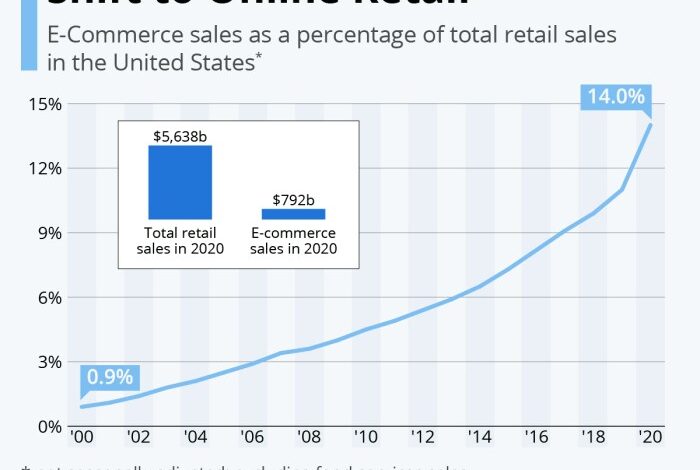
Trends in e-commerce industry post-pandemic bring forth a landscape reshaped by the pandemic, with businesses adapting to new consumer behaviors and innovative technologies. As we delve into the impact, technological advancements, supply chain solutions, and ethical considerations, a new era of e-commerce emerges, defining the future of online shopping.
Impact of the pandemic on e-commerce: Trends In E-commerce Industry Post-pandemic
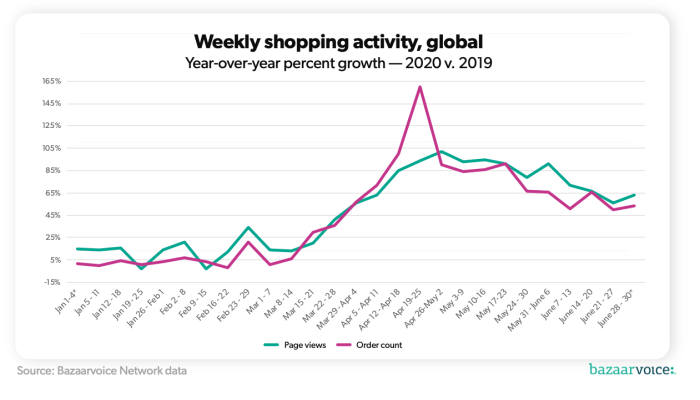
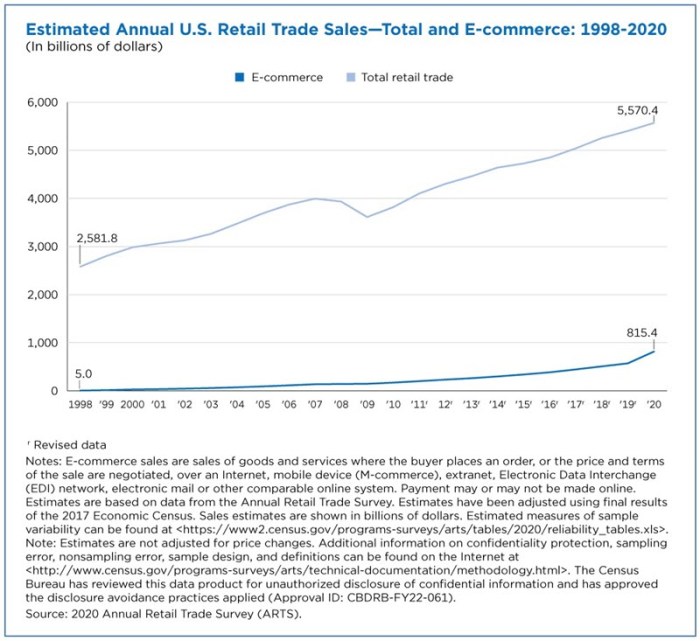
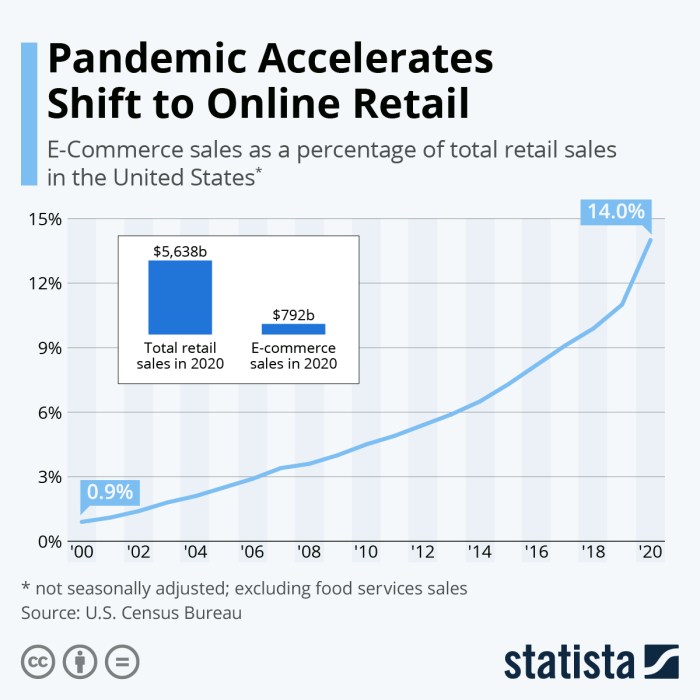
The COVID-19 pandemic has had a significant impact on the e-commerce industry, reshaping consumer behavior and challenging businesses to adapt to the new normal. With lockdowns and social distancing measures in place, more people turned to online shopping, leading to a surge in e-commerce transactions.
Changes in Consumer Behavior
- Shift towards online shopping: Consumers who were previously hesitant to shop online embraced e-commerce platforms for their shopping needs, including groceries, clothing, and electronics.
- Preference for contactless delivery: Safety concerns prompted consumers to opt for contactless delivery options, influencing e-commerce businesses to prioritize this service.
- Rise in demand for essential items: The pandemic led to an increased demand for essential goods such as sanitizers, face masks, and household supplies, driving e-commerce sales in these categories.
Adaptation of E-commerce Businesses
- Enhanced safety measures: E-commerce companies implemented strict hygiene protocols in warehouses and during delivery to ensure the safety of their employees and customers.
- Expansion of product offerings: Many e-commerce businesses diversified their product range to meet the evolving needs of consumers during the pandemic, including the introduction of new categories and services.
- Investment in technology: To cope with the surge in online orders, e-commerce companies invested in technology infrastructure and automation to streamline operations and improve customer experience.
Technology trends in e-commerce post-pandemic
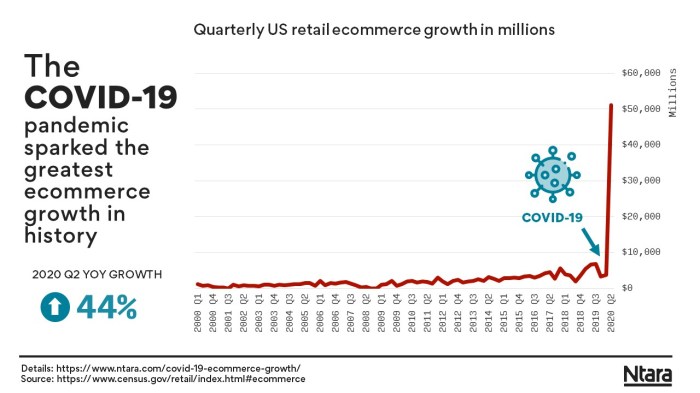
In the wake of the pandemic, the e-commerce industry has seen a rapid evolution in technology trends aimed at enhancing customer experience and streamlining operations.
Use of AI and Machine Learning in Enhancing Customer Experience
Artificial Intelligence (AI) and Machine Learning have played a crucial role in personalizing the customer experience in e-commerce. By analyzing customer behavior and preferences, AI algorithms can provide tailored product recommendations, personalized marketing messages, and efficient customer service.
Adoption of Virtual Reality and Augmented Reality Technologies
The adoption of Virtual Reality (VR) and Augmented Reality (AR) technologies in e-commerce has revolutionized the way customers shop online. These technologies allow customers to virtually try on products, visualize how they would look in real life, and make more informed purchase decisions, leading to a more engaging and interactive shopping experience.
Role of Chatbots and Automation in Streamlining E-commerce Operations
Chatbots and automation have become essential tools for streamlining e-commerce operations post-pandemic. Chatbots can handle customer queries, provide real-time support, and assist in guiding customers through the purchasing process. Automation, on the other hand, helps in automating repetitive tasks such as order processing, inventory management, and customer data analysis, allowing e-commerce businesses to operate more efficiently and effectively.
Supply chain disruptions and solutions
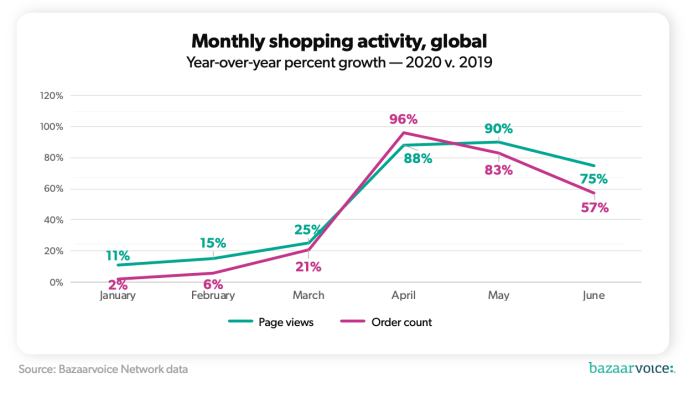
Supply chain disruptions during the pandemic had a profound impact on e-commerce businesses, causing delays in shipping, shortages of products, and increased costs. The lockdowns and restrictions imposed to curb the spread of the virus disrupted global supply chains, leading to a domino effect on e-commerce operations.
Innovative solutions to overcome supply chain challenges
- Implementing advanced technology such as AI and machine learning to optimize inventory management and forecasting demand.
- Utilizing blockchain technology for transparent and secure tracking of products throughout the supply chain.
- Establishing local fulfillment centers to reduce reliance on international suppliers and minimize shipping times.
- Collaborating with third-party logistics providers to enhance flexibility and scalability in the supply chain.
Importance of diversifying suppliers for e-commerce companies post-pandemic
Diversifying suppliers is crucial for e-commerce companies post-pandemic to mitigate the risk of future disruptions. By working with multiple suppliers across different regions, businesses can reduce dependency on a single source and ensure a more resilient supply chain. This strategy allows companies to adapt quickly to changing market conditions, minimize disruptions, and maintain continuity in their operations.
Sustainability and ethical considerations
In the wake of the pandemic, there has been a notable shift towards sustainability and ethical considerations in the e-commerce industry. Businesses are increasingly recognizing the importance of adopting eco-friendly practices to meet consumer demand for ethically sourced products.
Growing trend of sustainability in e-commerce practices
One of the key trends in the post-pandemic e-commerce landscape is the growing emphasis on sustainability. E-commerce businesses are actively seeking ways to reduce their carbon footprint and minimize environmental impact. This includes initiatives such as using renewable energy sources, optimizing packaging materials to reduce waste, and implementing recycling programs.
Incorporating eco-friendly packaging and practices
E-commerce companies are making significant strides in incorporating eco-friendly packaging solutions into their operations. This includes using biodegradable or recyclable materials for packaging, reducing the use of plastic, and exploring innovative packaging designs that minimize waste. By adopting sustainable practices, businesses can appeal to environmentally conscious consumers and differentiate themselves in the market.
Consumer preferences for ethically sourced products, Trends in e-commerce industry post-pandemic
Consumer preferences have shifted towards ethically sourced products in the post-pandemic e-commerce landscape. There is a growing demand for products that are produced in an environmentally and socially responsible manner. E-commerce businesses are responding to this trend by partnering with ethical suppliers, obtaining certifications for sustainable practices, and transparently communicating their commitment to ethical sourcing.
Ending Remarks
In conclusion, the trends in e-commerce industry post-pandemic showcase a dynamic shift towards sustainability, technology integration, and resilient supply chains. As businesses continue to evolve in response to changing consumer demands and global challenges, the e-commerce landscape stands poised for further transformation and growth.
